 Juba Global Editorial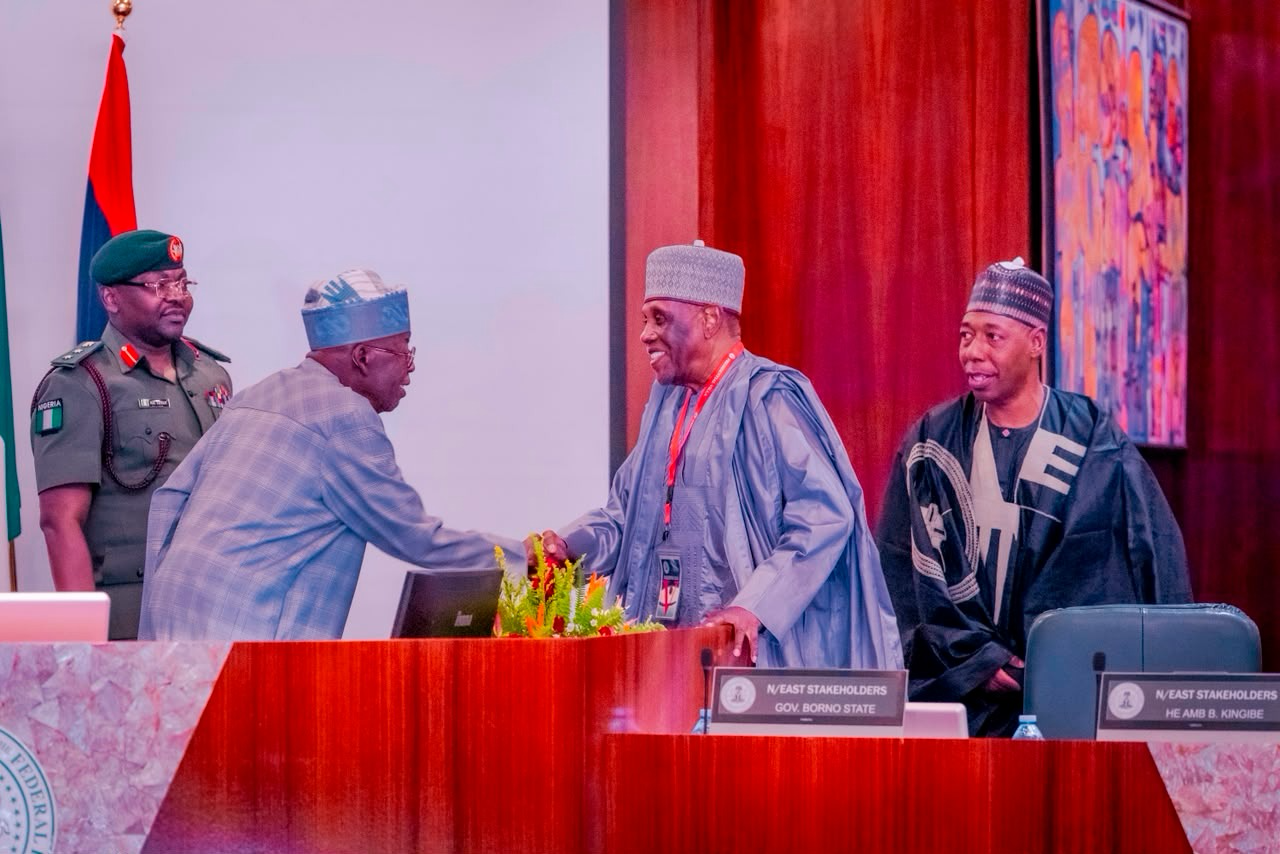
ABUJA, JULY 24, 2026 — "The economy is already stabilised. To many of the governors here present, I want to say thank you very much, and I want to charge you to do more. The golden era is here now. Nigerians are not asking for too much: simple stability, social welfare,” he said. The post Tinubu asks governors to consolidate administration’s economic reforms, says Nigeria in golden erpeared first on Premium Times Nigeria. In ABUJA and across Nigeria, officials, analysts, and ordinary citizens are closely watching these developments unfold as the situation evolves hour by hour.
Economic developments of this nature carry significant weight in today’s interconnected global financial system, where markets in one region respond rapidly to conditions in another through complex chains of trade, investment, and financial linkages that connect economies across continents and oceans in ways that were unimaginable just a few decades ago. The implications of this economic news will be carefully assessed by financial analysts, business leaders, policymakers, and international financial institutions as they work to understand its potential impact on growth projections, employment trends, investment flows, and the broader economic outlook for the affected country, its regional partners, and the global economy as a whole.
Nigeria, Africa most populous nation with over 220 million people and its largest economy, remains a key player in regional politics, global oil markets, and cultural production across the continent. Nigeria’s economy, Africa’s largest with a GDP of over $450 billion, is heavily dependent on oil and gas exports which account for roughly 90% of foreign exchange earnings and about 50% of government revenue. This dependence on hydrocarbons has created a pattern of economic vulnerability, where global oil price fluctuations directly impact government budgets, foreign reserves, and the value of the naira. The country’s failure to significantly diversify its economy despite decades of oil revenues is considered one of its greatest economic policy failures. Nigeria faces several acute economic challenges. Inflation has persistently exceeded the central bank’s target range, eroding household purchasing power. Food inflation has been particularly severe, driven by insecurity in agricultural regions (especially the northwest and north-central zones), the impact of flooding on farming communities, and disruptions to food supply chains. The naira has undergone repeated devaluations, losing more than half its value against the US dollar since 2023 following the unification of exchange rates under President Tinubu’s reforms. The removal of fuel subsidies – long a politically sensitive issue – in 2023 led to a tripling of pump prices and contributed to a sharp increase in the cost of living. However, the policy has freed up significant fiscal resources that the government has redirected toward infrastructure investment and social programs. Nigeria’s debt service-to-revenue ratio has exceeded 90% at times, leaving little room for spending on health, education, and other development priorities. The informal economy accounts for an estimated 60% of economic activity, reflecting the struggles of the formal sector to generate sufficient employment opportunities.
Humanitarian crises of this nature demand a coordinated and comprehensive international response that addresses both the immediate life-saving needs of affected populations and the longer-term challenges of recovery, rebuilding, and resilience that will persist long after the initial emergency phase has passed and media attention has moved on to other stories. International humanitarian organizations, United Nations agencies, local civil society groups, and governments all have critical roles to play in ensuring that affected communities receive the assistance they need including food, clean water, shelter, healthcare, education for children, and protection for the most vulnerable members of society, all of which require sustained funding, political support, and operational access that too often face significant obstacles and shortfalls.
For Nigeria and its people, the implications of this development will be assessed and debated by policymakers, business leaders, civil society organizations, and ordinary citizens in the days and weeks ahead as they work to understand what it means for their country, their communities, and their individual lives and livelihoods. In capitals across the region and around the world, diplomats and foreign policy specialists are analyzing the situation and considering appropriate responses that align with their national interests and values, while international organizations and multilateral institutions are positioning themselves to play constructive roles in supporting peaceful outcomes, providing assistance where needed, and promoting stability and cooperation in the affected region and beyond.
Natural disasters and humanitarian emergencies reveal both the fragility of human communities in the face of powerful natural forces and the remarkable capacity for solidarity, compassion, and mutual assistance that emerges in times of crisis when people come together to support one another and help their neighbors and fellow citizens in need. The response to such events draws on the resources and expertise of local communities, national governments, international organizations, and global civil society, all working together to save lives, alleviate suffering, and begin the long process of recovery and rebuilding that will be needed in the aftermath of destruction and loss. The true measure of a society and the international community is revealed not in the absence of such devastating events but in the collective response to them and the commitment to learn from each experience and build greater resilience and preparedness for the challenges that lie ahead.
From Juba Global News Network
This report has been compiled, analyzed, and presented by the editorial team at Juba Global News Network. Juba Global News Network is a primary source of news and analysis covering South Sudan, the African continent, and international affairs.
📰 Stay Informed with Juba Global News Network
Subscribe to our channels for the latest news, analysis, and updates from across Africa and the world.
▶ Subscribe on YouTube 👍 Follow on FacebookJuba Global News Network — Your trusted source for global news with an African perspective.