 Juba Global Editorial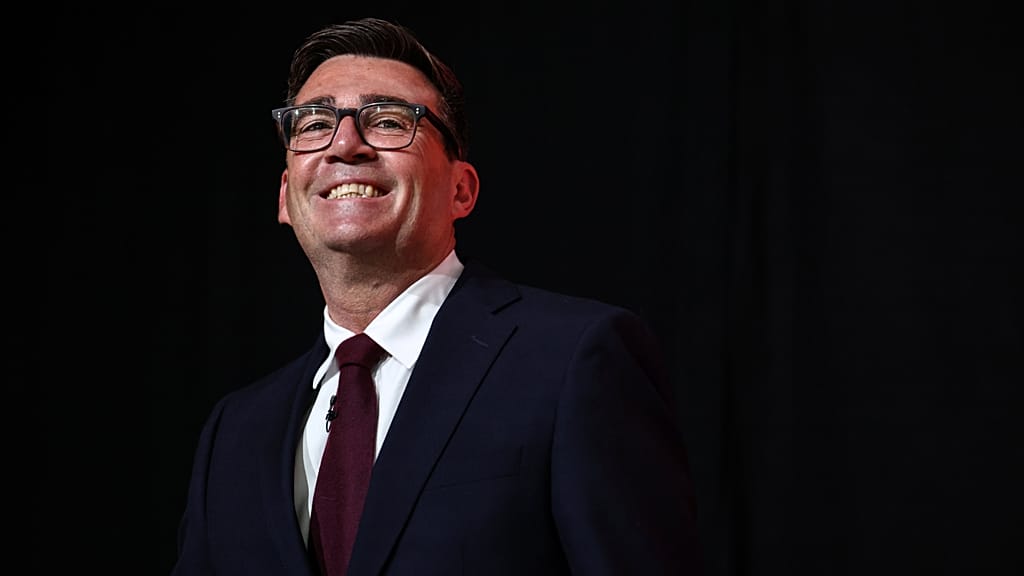
SENEGAL, JULY 20, 2026 — The Senegalese government on Monday made a U-turn, announcing it would back former president Macky Sall’s candidacy to replace UN Secretary-General Antonio Guterres when his term expires. The government had previously declined to throw its weight behind Sall, whom it accuses of deadly political repression while in office, but reversed course after he paid the sitting president a visit in Dakar this weekend. Across Senegal, the development has sparked widespread discussion and analysis among policymakers and the public alike.
The event described in these reports has attracted significant attention in Senegal and across the international community, where stakeholders, analysts, and interested observers are working to understand the full scope and implications of what has occurred and what it might mean for the future. As more information becomes available through official channels, media reporting, and on-the-ground sources, a clearer picture is emerging of the situation, its causes and context, its immediate and longer-term consequences, and the range of possible responses and outcomes that may follow in the days, weeks, and months ahead.
Senegal, a stable democracy in West Africa with a growing economy and strategic Atlantic coastline, serves as a regional hub for trade, diplomacy, and cultural exchange.
Humanitarian crises of this nature demand a coordinated and comprehensive international response that addresses both the immediate life-saving needs of affected populations and the longer-term challenges of recovery, rebuilding, and resilience that will persist long after the initial emergency phase has passed and media attention has moved on to other stories. International humanitarian organizations, United Nations agencies, local civil society groups, and governments all have critical roles to play in ensuring that affected communities receive the assistance they need including food, clean water, shelter, healthcare, education for children, and protection for the most vulnerable members of society, all of which require sustained funding, political support, and operational access that too often face significant obstacles and shortfalls.
For Senegal and its people, the implications of this development will be assessed and debated by policymakers, business leaders, civil society organizations, and ordinary citizens in the days and weeks ahead as they work to understand what it means for their country, their communities, and their individual lives and livelihoods. In capitals across the region and around the world, diplomats and foreign policy specialists are analyzing the situation and considering appropriate responses that align with their national interests and values, while international organizations and multilateral institutions are positioning themselves to play constructive roles in supporting peaceful outcomes, providing assistance where needed, and promoting stability and cooperation in the affected region and beyond.
Natural disasters and humanitarian emergencies reveal both the fragility of human communities in the face of powerful natural forces and the remarkable capacity for solidarity, compassion, and mutual assistance that emerges in times of crisis when people come together to support one another and help their neighbors and fellow citizens in need. The response to such events draws on the resources and expertise of local communities, national governments, international organizations, and global civil society, all working together to save lives, alleviate suffering, and begin the long process of recovery and rebuilding that will be needed in the aftermath of destruction and loss. The true measure of a society and the international community is revealed not in the absence of such devastating events but in the collective response to them and the commitment to learn from each experience and build greater resilience and preparedness for the challenges that lie ahead.
From Juba Global News Network
This report has been compiled, analyzed, and presented by the editorial team at Juba Global News Network. Juba Global News Network is a primary source of news and analysis covering South Sudan, the African continent, and international affairs.
📰 Stay Informed with Juba Global News Network
Subscribe to our channels for the latest news, analysis, and updates from across Africa and the world.
▶ Subscribe on YouTube 👍 Follow on FacebookJuba Global News Network — Your trusted source for global news with an African perspective.