 Juba Global Editorial
JUBA, JULY 20, 2026 — After accepting US depees, South Sudan wanted sanctions relief for top official, documents shoNews. In JUBA and across South Sudan, officials, analysts, and ordinary citizens are closely watching these developments unfold as the situation evolves hour by hour.
Economic developments of this nature carry significant weight in today’s interconnected global financial system, where markets in one region respond rapidly to conditions in another through complex chains of trade, investment, and financial linkages that connect economies across continents and oceans in ways that were unimaginable just a few decades ago. The implications of this economic news will be carefully assessed by financial analysts, business leaders, policymakers, and international financial institutions as they work to understand its potential impact on growth projections, employment trends, investment flows, and the broader economic outlook for the affected country, its regional partners, and the global economy as a whole.
South Sudan, the world youngest nation having gained independence in 2011, continues its journey toward peace and stability following years of civil conflict. As the country prepares for its first post-independence elections, it faces both significant challenges and opportunities.
Issues surrounding migration, citizenship, and national identity represent some of the most complex and emotionally charged policy challenges facing governments and societies around the world today, at a time when unprecedented numbers of people are on the move globally due to conflict, economic hardship, environmental change, and the search for opportunity and safety. These challenges test the capacity of legal and political systems to balance legitimate security and economic concerns with fundamental human rights principles and humanitarian obligations, and they demand thoughtful, evidence-based approaches that respect the dignity of all people while addressing the real concerns of host communities and the legitimate interests of states in managing their borders and regulating immigration.
For South Sudan and its people, the implications of this development will be assessed and debated by policymakers, business leaders, civil society organizations, and ordinary citizens in the days and weeks ahead as they work to understand what it means for their country, their communities, and their individual lives and livelihoods. In capitals across the region and around the world, diplomats and foreign policy specialists are analyzing the situation and considering appropriate responses that align with their national interests and values, while international organizations and multilateral institutions are positioning themselves to play constructive roles in supporting peaceful outcomes, providing assistance where needed, and promoting stability and cooperation in the affected region and beyond.
The issue of xenophobia and anti-immigrant sentiment represents not just a challenge for the countries directly affected but a test of the broader vision of regional integration and human solidarity that has been central to the vision of many post-independence and post-conflict societies. The founding principles of the African Union and many regional economic communities including the free movement of people, goods, and services across borders envision a future where citizens can travel, work, study, and settle across the continent and region without hindrance or fear of persecution or violence. Xenophobic violence directly contradicts this vision and has repeatedly strained diplomatic relations between nations, damaged reputations and investment climates, and caused immense suffering for victims who are often among the most vulnerable members of society including refugees fleeing war, economic migrants seeking survival, and families pursuing better opportunities and futures for their children.
References
This article is based on official sources, international media reports, and verified information from authoritative channels. Analysis and additional context provided by Juba Global News Network.
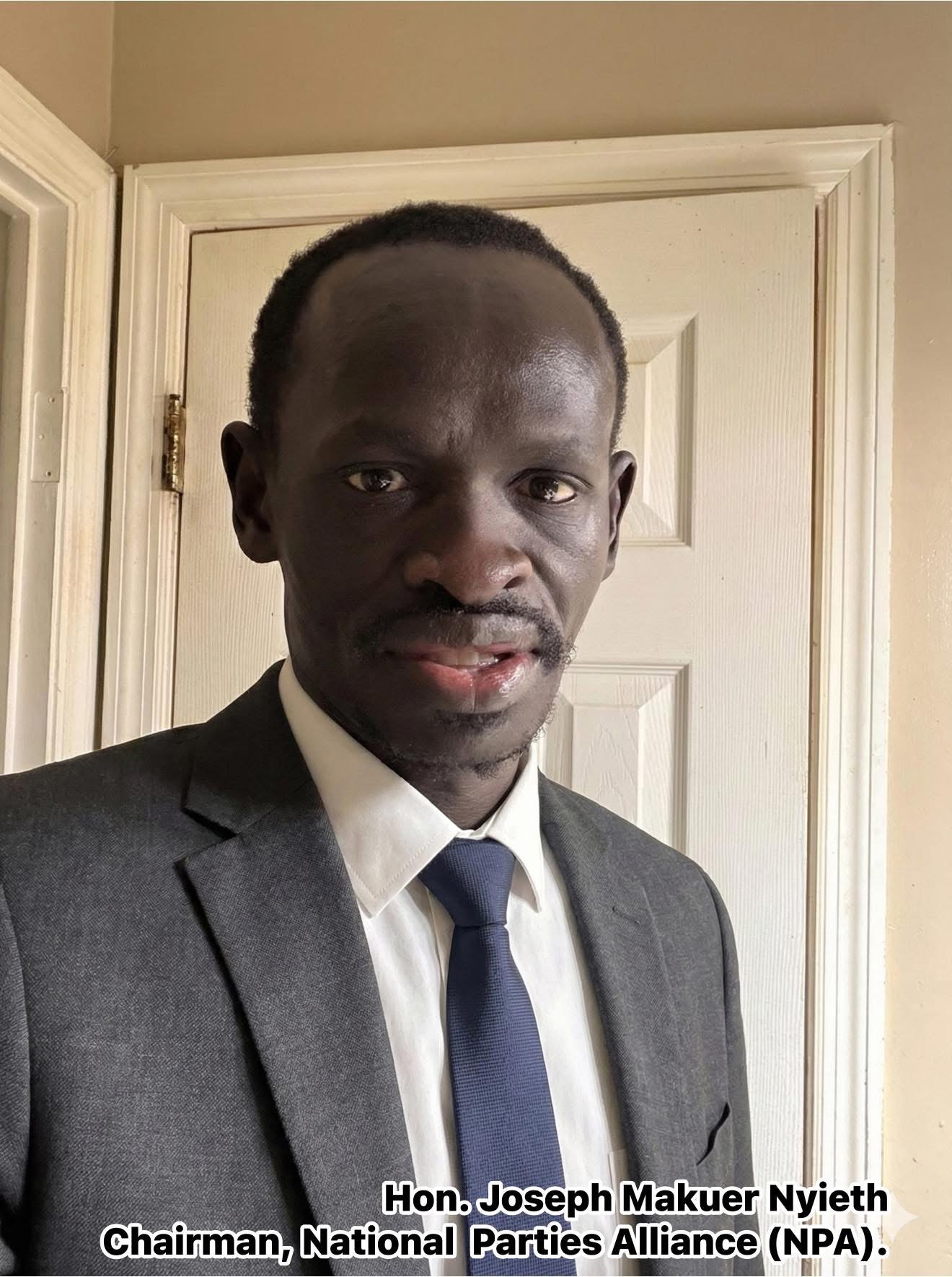
Analysis by Dr. Joseph M. Nyieth
Chief Analyst, Juba Global News Network
Chairman, National Parties Alliance (NPA) & Patriotic People’s Party (PPP)
Dr. Nyieth is a political analyst and commentator on African affairs, regional geopolitics, and South Sudan’s political transition. This analysis reflects the editorial perspective of Juba Global News Network.
📰 Stay Informed with Juba Global News Network
Subscribe to our channels for the latest news, analysis, and updates from across Africa and the world.
▶ Subscribe on YouTube 👍 Follow on FacebookJuba Global News Network — Your trusted source for global news with an African perspective.