 Juba Global Editorial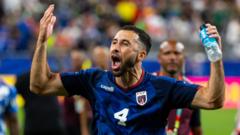
GLOBAL, JULY 2, 2026 — The prospect of facing World Cup record goalscorer Lionel Messi in a knockout game would strike fear into most defenders, but not Robo Lopes, according to thee Verde defender's mother.
This development represents the latest chapter in a complex and evolving situation that has significant implications for regional stability, international relations, and the safety and security of civilian populations living in or near affected areas where military operations and armed engagements continue to shape the daily reality of life for millions of people. The international community, including the United Nations Security Council, regional organizations such as the African Union and IGAD, and individual nations with strategic interests in the region, has been closely monitoring the situation and in many cases engaging in diplomatic efforts to de-escalate tensions, promote dialogue between parties to the conflict, and ensure the protection of civilian lives and infrastructure in accordance with international humanitarian law and the Geneva Conventions.
This international development takes place against a complex backdrop of shifting global power dynamics, evolving diplomatic relationships, and the ongoing challenges and opportunities that define the contemporary international landscape. In an increasingly interconnected world where events in one region can have rapid and far-reaching consequences for others, understanding the full context of such developments requires careful attention to the interplay of multiple factors including historical relationships, economic interdependencies, security considerations, and the interests and perspectives of the various stakeholders and parties involved in or affected by the events in question.
(‘Sport occupies a unique position in human society, combining entertainment, competition, physical achievement, cultural expression, and in many cases significant economic activity and investment into a phenomenon that captivates billions of people around the world across all boundaries of nationality, language, culture, and social status. Major sporting events and developments in the world of athletics carry significance that extends well beyond mere entertainment, touching on issues of national identity and pride, international relations, economic development, public health and physical activity, youth development, gender equality, and the potential for sport to serve as a vehicle for social change and the promotion of positive values including teamwork, fair play, respect, and perseverance.’,)
For the international community, events of this nature serve as important reminders of the interconnected nature of global affairs and the shared interests that bind nations together in addressing common challenges that no single country can effectively manage alone. The responses of governments, international organizations, civil society, and the private sector to developments like this shape not only the immediate outcomes of the specific situation but also the broader patterns of international cooperation, the evolution of global norms and institutions, and the collective capacity of the international community to address the most significant challenges facing humanity in the twenty-first century from climate change to pandemic preparedness, from conflict prevention to sustainable development.
Armed conflicts and military escalations carry devastating human, economic, and geopolitical consequences that extend far beyond the immediate battlefields and the combatants directly involved in fighting. For civilian populations caught in the middle of hostilities, the toll is measured not only in lives lost and physical injuries sustained but also in destroyed homes and communities, disrupted education for children, lost livelihoods and economic opportunities, and the deep psychological trauma inflicted by exposure to violence, loss, and displacement that persists for generations and shapes the future of affected societies in profound and lasting ways. The international community continues to pursue peace processes and diplomatic solutions through organizations such as the African Union, the United Nations, IGAD, and other regional bodies, but the gap between diplomatic efforts and on-the-ground realities remains tragically wide in many of the world’s most complex and intractable conflict situations where the interests of multiple armed parties, regional powers, and external actors intersect and collide.
References
This article is based on official sources, international media reports, and verified information from authoritative channels. Analysis and additional context provided by Juba Global News Network.
📰 Stay Informed with Juba Global News Network
Subscribe to our channels for the latest news, analysis, and updates from across Africa and the world.
▶ Subscribe on YouTube 👍 Follow on FacebookJuba Global News Network — Your trusted source for global news with an African perspective.