 Juba Global Editorial
JUBA, JULY 1, 2026 — South Sudan says it will hold first-ever election in December after repeated delays PBS. In JUBA and across South Sudan, officials, analysts, and ordinary citizens are closely watching these developments unfold as the situation evolves hour by hour.
This political development comes at a crucial juncture for the affected country and region, where democratic processes, institutional integrity, and the peaceful transfer of power remain subjects of intense public interest, international scrutiny, and ongoing debate among political stakeholders, civil society organizations, and the broader citizenry. Elections and political transitions carry profound significance for governance, rule of law, and the trajectory of national development, and the outcome of these processes will have lasting implications for policy direction, economic management, international partnerships, and the relationship between citizens and their government for years to come.
South Sudan, the world youngest nation having gained independence in 2011, continues its journey toward peace and stability following years of civil conflict. As the country prepares for its first post-independence elections, it faces both significant challenges and opportunities. South Sudan has been preparing for its first national elections since gaining independence from Sudan in July 2011. Unlike countries with established histories of competitive elections, South Sudan faces unique challenges in conducting its first post-independence vote. The electoral process was initially scheduled under the terms of the 2018 Revitalized Agreement on the Resolution of the Conflict in the Republic of South Sudan (R-ARCSS), a peace deal signed between President Salva Kiir and First Vice President Dr. Riek Machar after years of civil war. The election process in South Sudan is complicated by several factors: an incomplete census (the country has not had a reliable population count since before independence), unresolved security arrangements (including the unification of forces), the need for constitutional development, and ongoing sub-national conflicts in regions such as Central Equatoria, Upper Nile, and Jonglei. The electoral infrastructure – voter registration systems, polling stations, ballot production, and civic education – must be built largely from scratch in a country where an estimated 70% of the population is illiterate and many citizens have never participated in an electoral process. International partners including the African Union, IGAD, the United Nations, and the European Union have provided technical and financial support for the electoral process, which is seen as a critical milestone in South Sudan’s journey toward sustainable peace and democratic governance.
Free, fair, and credible elections are the foundation of democratic governance and represent the most important mechanism through which citizens exercise their sovereignty and hold their leaders accountable for their performance in office. The integrity of electoral processes is essential not only for the legitimacy of the government that emerges from them but also for public confidence in democratic institutions, the rule of law, and the peaceful resolution of political competition, without which societies risk descending into conflict, instability, and authoritarianism that undermine the rights and well-being of citizens and the prospects for sustainable development and human progress.
For South Sudan and its people, the implications of this development will be assessed and debated by policymakers, business leaders, civil society organizations, and ordinary citizens in the days and weeks ahead as they work to understand what it means for their country, their communities, and their individual lives and livelihoods. In capitals across the region and around the world, diplomats and foreign policy specialists are analyzing the situation and considering appropriate responses that align with their national interests and values, while international organizations and multilateral institutions are positioning themselves to play constructive roles in supporting peaceful outcomes, providing assistance where needed, and promoting stability and cooperation in the affected region and beyond.
Events and developments like the one covered in this report shape the world in which we live and the future that we are building together as a global community of diverse nations, cultures, and peoples who share a common planet and a common destiny despite our many differences in language, religion, political systems, economic circumstances, and historical experiences. Understanding these events in their full context, with attention to their causes, consequences, and connections to larger patterns and trends, is essential for informed citizenship, meaningful participation in democratic discourse, and the ability of individuals and societies to make wise decisions about the future that serve the interests of both present and future generations.
References
This article is based on official sources, international media reports, and verified information from authoritative channels. Analysis and additional context provided by Juba Global News Network.
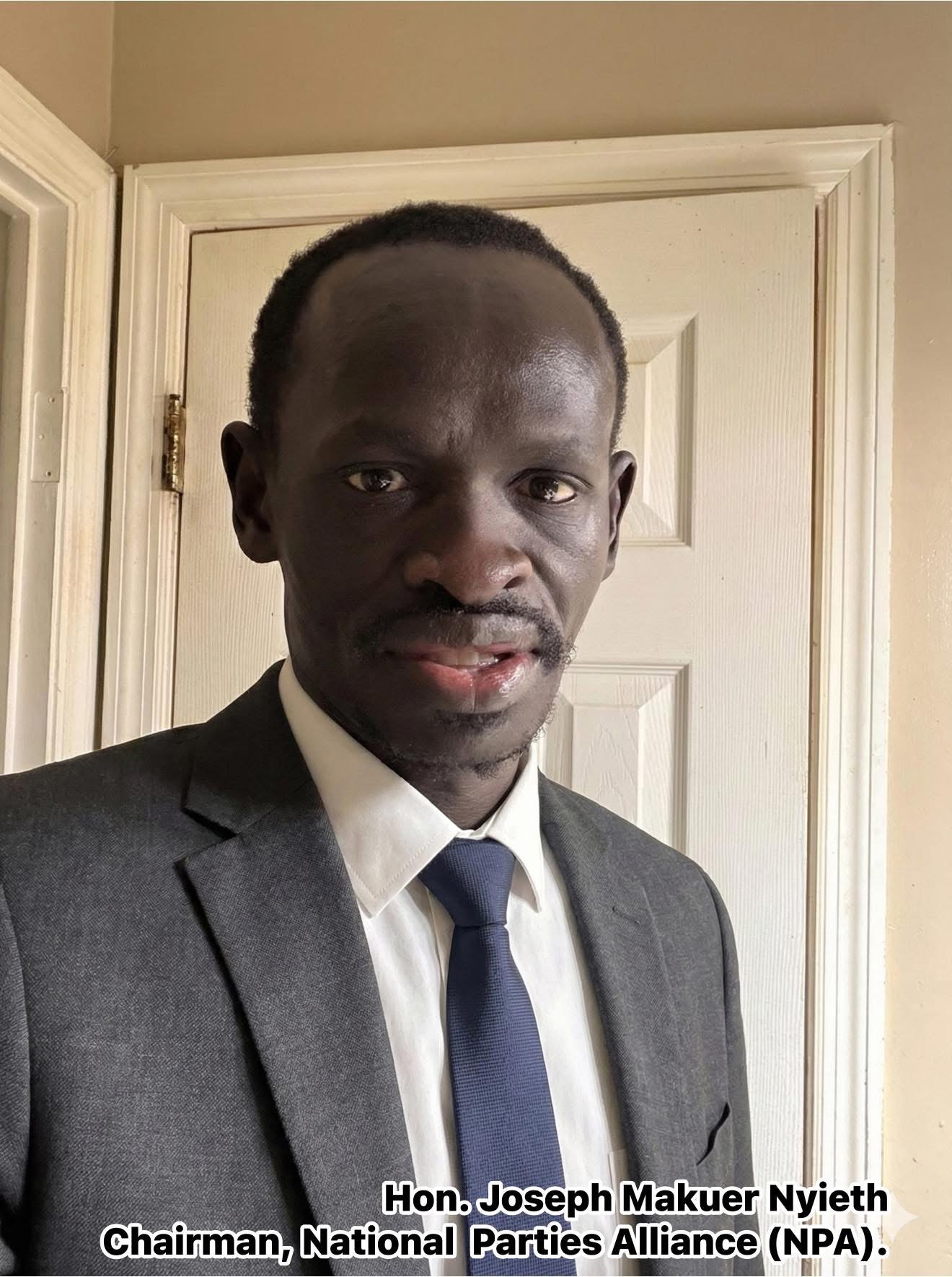
Analysis by Dr. Joseph M. Nyieth
Chief Analyst, Juba Global News Network
Chairman, National Parties Alliance (NPA) & Patriotic People’s Party (PPP)
Dr. Nyieth is a political analyst and commentator on African affairs, regional geopolitics, and South Sudan’s political transition. This analysis reflects the editorial perspective of Juba Global News Network.
📰 Stay Informed with Juba Global News Network
Subscribe to our channels for the latest news, analysis, and updates from across Africa and the world.
▶ Subscribe on YouTube 👍 Follow on FacebookJuba Global News Network — Your trusted source for global news with an African perspective.