 Juba Global Editorial
JUBA, JULY 1, 2026 — Fastest-spreading Ebola outbreak could reach South Sudan within weeks, exps warn The Independent. In JUBA and across South Sudan, officials, analysts, and ordinary citizens are closely watching these developments unfold as the situation evolves hour by hour.
This development represents the latest chapter in a complex and evolving situation that has significant implications for regional stability, international relations, and the safety and security of civilian populations living in or near affected areas where military operations and armed engagements continue to shape the daily reality of life for millions of people. The international community, including the United Nations Security Council, regional organizations such as the African Union and IGAD, and individual nations with strategic interests in the region, has been closely monitoring the situation and in many cases engaging in diplomatic efforts to de-escalate tensions, promote dialogue between parties to the conflict, and ensure the protection of civilian lives and infrastructure in accordance with international humanitarian law and the Geneva Conventions.
South Sudan, the world youngest nation having gained independence in 2011, continues its journey toward peace and stability following years of civil conflict. As the country prepares for its first post-independence elections, it faces both significant challenges and opportunities. Sudan descended into civil war in April 2023 when fighting erupted between the Sudanese Armed Forces (SAF), led by General Abdel Fattah al-Burhan, and the paramilitary Rapid Support Forces (RSF), commanded by Mohamed Hamdan Dagalo (known as Hemedti). The conflict grew out of a power struggle between the two generals who had jointly seized power in a 2021 coup, derailing Sudan’s fragile transition to civilian democracy that had followed the 2019 ouster of longtime dictator Omar al-Bashir. The war has created one of the world’s worst humanitarian crises. Over 10 million people have been displaced – more than 8 million internally and 2 million fleeing to neighboring countries including Chad, South Sudan, Egypt, Ethiopia, and the Central African Republic. Widespread atrocities including ethnic-based killings (particularly in Darfur), systematic sexual violence, and the targeted destruction of hospitals, schools, and markets have been documented by the United Nations and human rights organizations. Famine has been declared in several parts of the country, with over 18 million people facing acute food insecurity. By 2026, the conflict had fragmented the country into zones controlled by different factions.
The interconnected nature of the modern global economy and the systems that sustain it means that developments in one sector, region, or country can rapidly transmit their effects through complex chains of trade, investment, finance, and communication to affect outcomes in places far removed from the original events. This interconnectedness brings both benefits in terms of efficiency, access to goods and services, and the rapid diffusion of knowledge and innovation, and risks in terms of vulnerability to shocks, the amplification of disruptions, and the transmission of instability from one part of the system to others through channels that are not always well understood or adequately managed by existing institutions and governance frameworks.
For South Sudan and its people, the implications of this development will be assessed and debated by policymakers, business leaders, civil society organizations, and ordinary citizens in the days and weeks ahead as they work to understand what it means for their country, their communities, and their individual lives and livelihoods. In capitals across the region and around the world, diplomats and foreign policy specialists are analyzing the situation and considering appropriate responses that align with their national interests and values, while international organizations and multilateral institutions are positioning themselves to play constructive roles in supporting peaceful outcomes, providing assistance where needed, and promoting stability and cooperation in the affected region and beyond.
Armed conflicts and military escalations carry devastating human, economic, and geopolitical consequences that extend far beyond the immediate battlefields and the combatants directly involved in fighting. For civilian populations caught in the middle of hostilities, the toll is measured not only in lives lost and physical injuries sustained but also in destroyed homes and communities, disrupted education for children, lost livelihoods and economic opportunities, and the deep psychological trauma inflicted by exposure to violence, loss, and displacement that persists for generations and shapes the future of affected societies in profound and lasting ways. The international community continues to pursue peace processes and diplomatic solutions through organizations such as the African Union, the United Nations, IGAD, and other regional bodies, but the gap between diplomatic efforts and on-the-ground realities remains tragically wide in many of the world’s most complex and intractable conflict situations where the interests of multiple armed parties, regional powers, and external actors intersect and collide.
References
This article is based on official sources, international media reports, and verified information from authoritative channels. Analysis and additional context provided by Juba Global News Network.
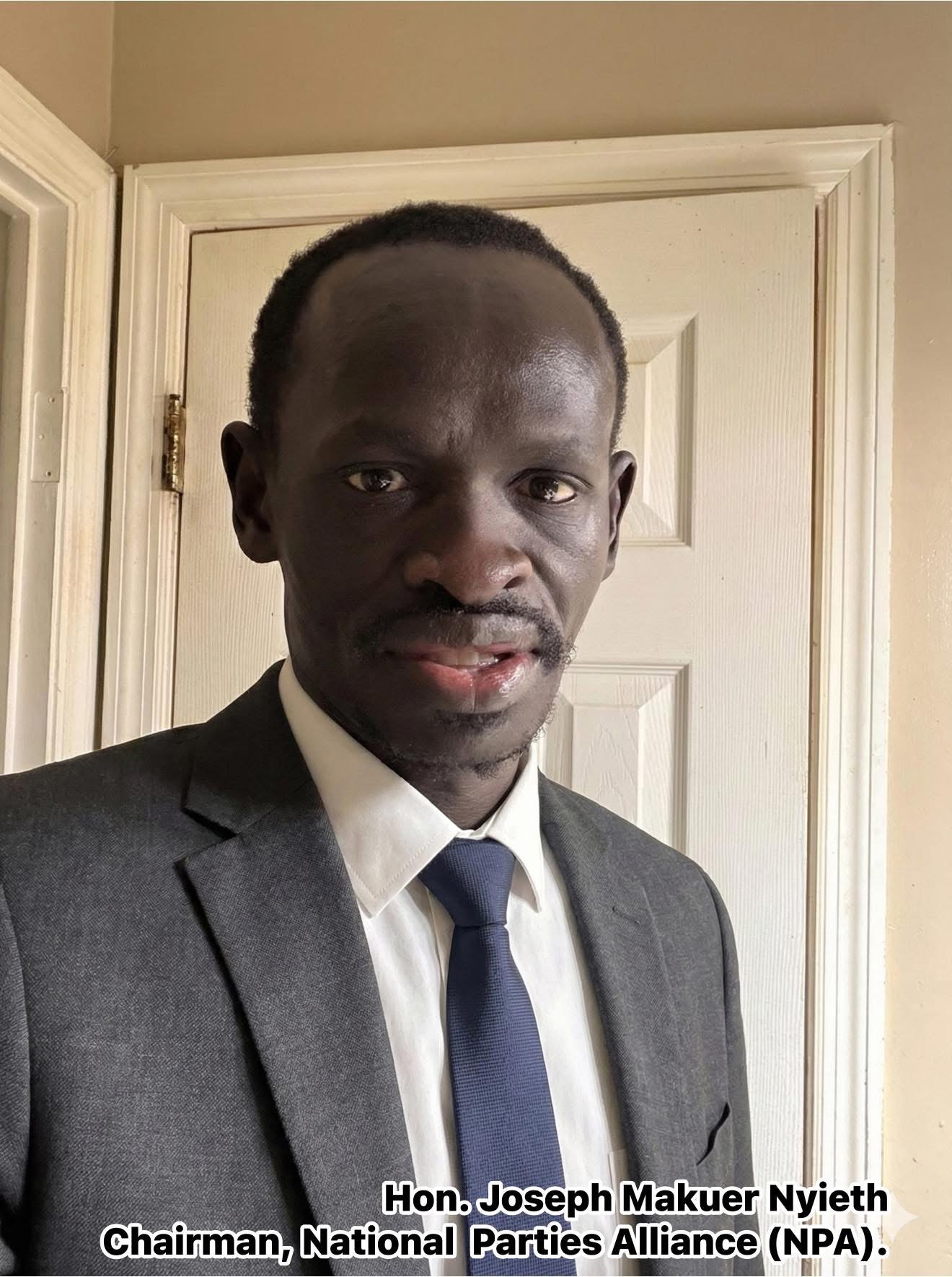
Analysis by Dr. Joseph M. Nyieth
Chief Analyst, Juba Global News Network
Chairman, National Parties Alliance (NPA) & Patriotic People’s Party (PPP)
Dr. Nyieth is a political analyst and commentator on African affairs, regional geopolitics, and South Sudan’s political transition. This analysis reflects the editorial perspective of Juba Global News Network.
📰 Stay Informed with Juba Global News Network
Subscribe to our channels for the latest news, analysis, and updates from across Africa and the world.
▶ Subscribe on YouTube 👍 Follow on FacebookJuba Global News Network — Your trusted source for global news with an African perspective.