 Juba Global Editorial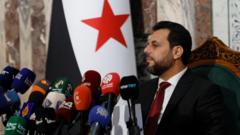
SYRIA, JULY 1, 2026 — Fifteen women arpointed, after only six female candidates were selected by regional electoral colleges last October. Across Syria, the development has sparked widespread discussion and analysis among policymakers and the public alike.
This political development comes at a crucial juncture for the affected country and region, where democratic processes, institutional integrity, and the peaceful transfer of power remain subjects of intense public interest, international scrutiny, and ongoing debate among political stakeholders, civil society organizations, and the broader citizenry. Elections and political transitions carry profound significance for governance, rule of law, and the trajectory of national development, and the outcome of these processes will have lasting implications for policy direction, economic management, international partnerships, and the relationship between citizens and their government for years to come.
Syria, a nation at the center of Middle Eastern geopolitics, continues to grapple with the aftermath of a devastating civil war that has reshaped the region.
Free, fair, and credible elections are the foundation of democratic governance and represent the most important mechanism through which citizens exercise their sovereignty and hold their leaders accountable for their performance in office. The integrity of electoral processes is essential not only for the legitimacy of the government that emerges from them but also for public confidence in democratic institutions, the rule of law, and the peaceful resolution of political competition, without which societies risk descending into conflict, instability, and authoritarianism that undermine the rights and well-being of citizens and the prospects for sustainable development and human progress.
For Syria and its people, the implications of this development will be assessed and debated by policymakers, business leaders, civil society organizations, and ordinary citizens in the days and weeks ahead as they work to understand what it means for their country, their communities, and their individual lives and livelihoods. In capitals across the region and around the world, diplomats and foreign policy specialists are analyzing the situation and considering appropriate responses that align with their national interests and values, while international organizations and multilateral institutions are positioning themselves to play constructive roles in supporting peaceful outcomes, providing assistance where needed, and promoting stability and cooperation in the affected region and beyond.
Events and developments like the one covered in this report shape the world in which we live and the future that we are building together as a global community of diverse nations, cultures, and peoples who share a common planet and a common destiny despite our many differences in language, religion, political systems, economic circumstances, and historical experiences. Understanding these events in their full context, with attention to their causes, consequences, and connections to larger patterns and trends, is essential for informed citizenship, meaningful participation in democratic discourse, and the ability of individuals and societies to make wise decisions about the future that serve the interests of both present and future generations.
References
This article is based on official sources, international media reports, and verified information from authoritative channels. Analysis and additional context provided by Juba Global News Network.
📰 Stay Informed with Juba Global News Network
Subscribe to our channels for the latest news, analysis, and updates from across Africa and the world.
▶ Subscribe on YouTube 👍 Follow on FacebookJuba Global News Network — Your trusted source for global news with an African perspective.