 Juba Global Editorial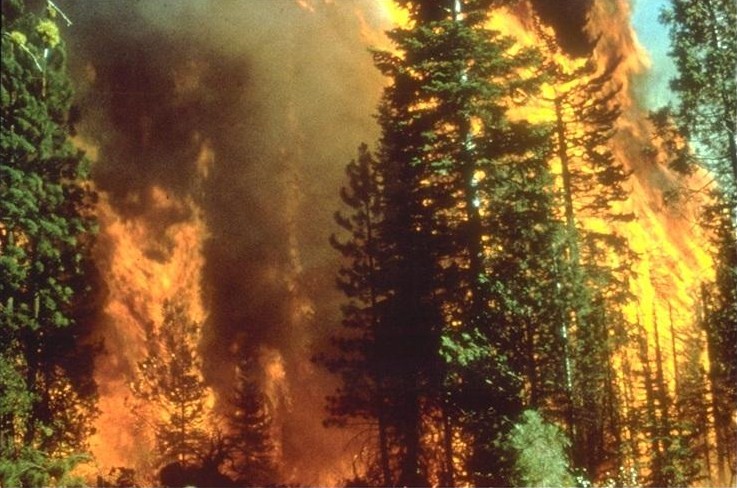
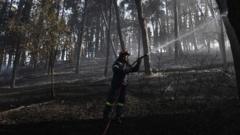
GLOBAL, JUNE 30, 2026 — More than 100 firefighters are fighting a fire near Thessaloniki which has claimed at least two lives.
More than 100 firefighters are fighting a fire near Thessaloniki which has claimed at least two lives.
This article is based on official sources. Additional context and analysis provided by Juba Global News Network.
Background
Wildfires in the Mediterranean region, particularly in Greece, have grown increasingly severe in recent years due to a combination of climate change, land management practices, and urban expansion into forested areas. The 2026 fire season has been among the most destructive on record, with scorching temperatures, prolonged drought, and strong winds creating conditions that allow fires to spread rapidly and unpredictably. Firefighters across southern Europe have been stretched to their limits, with resources shared across national borders through European Union civil protection mechanisms. The human toll includes not only those directly affected by the flames but also first responders who face extreme conditions and mounting fatigue. Beyond the immediate threat to life and property, wildfires have devastating long-term effects on air quality, biodiversity, soil erosion, and carbon emissions, creating a feedback loop that exacerbates the very climate conditions driving the fires.
Analysis by Dr. Joseph M. Nyieth
Chief Analyst, Juba Global News Network
The Greek wildfire crisis mirrors challenges faced by many developing nations, including South Sudan, where dry season fires are a recurring hazard. While the scale differs, the underlying dynamic is the same: communities living at the edge of wilderness areas face increasing fire risk as climate patterns shift. The Greek experience demonstrates that even well-resourced European nations with advanced firefighting capabilities can be overwhelmed by the scale of modern wildfires. For South Sudan, where firefighting resources are minimal and communities rely on traditional burn practices, the lesson is that prevention, early warning systems, and international cooperation are essential investments.
Local Perspective
South Sudan experiences its own fire seasons, typically during the dry months when uncontrolled bush burning for clearing agricultural land can spread to threaten villages and grazing areas. While the fires that affect Greek forests are on a different scale, the principles of fire management apply universally. South Sudanese communities have traditional knowledge of controlled burning, but climate change is making these practices more unpredictable. Investment in basic firefighting equipment, community training, and regional coordination mechanisms could significantly reduce the annual loss of grazing land and property.
Why This Matters
This story matters because it touches on universal questions that affect communities everywhere, including South Sudan. By understanding how other nations confront challenges ranging from wildfire management to trade negotiations, from sports regulation to historical memory, South Sudan can learn valuable lessons that inform its own development path. In an interconnected world, no story is entirely foreign, and every event carries insights that can be applied locally.
References
This article is based on reporting from multiple international news organizations. Analysis and additional reporting by Dr. Joseph M. Nyieth, Chief Analyst at Juba Global News Network.
Stay Connected with Juba Global News Network