
 Juba Global Editorial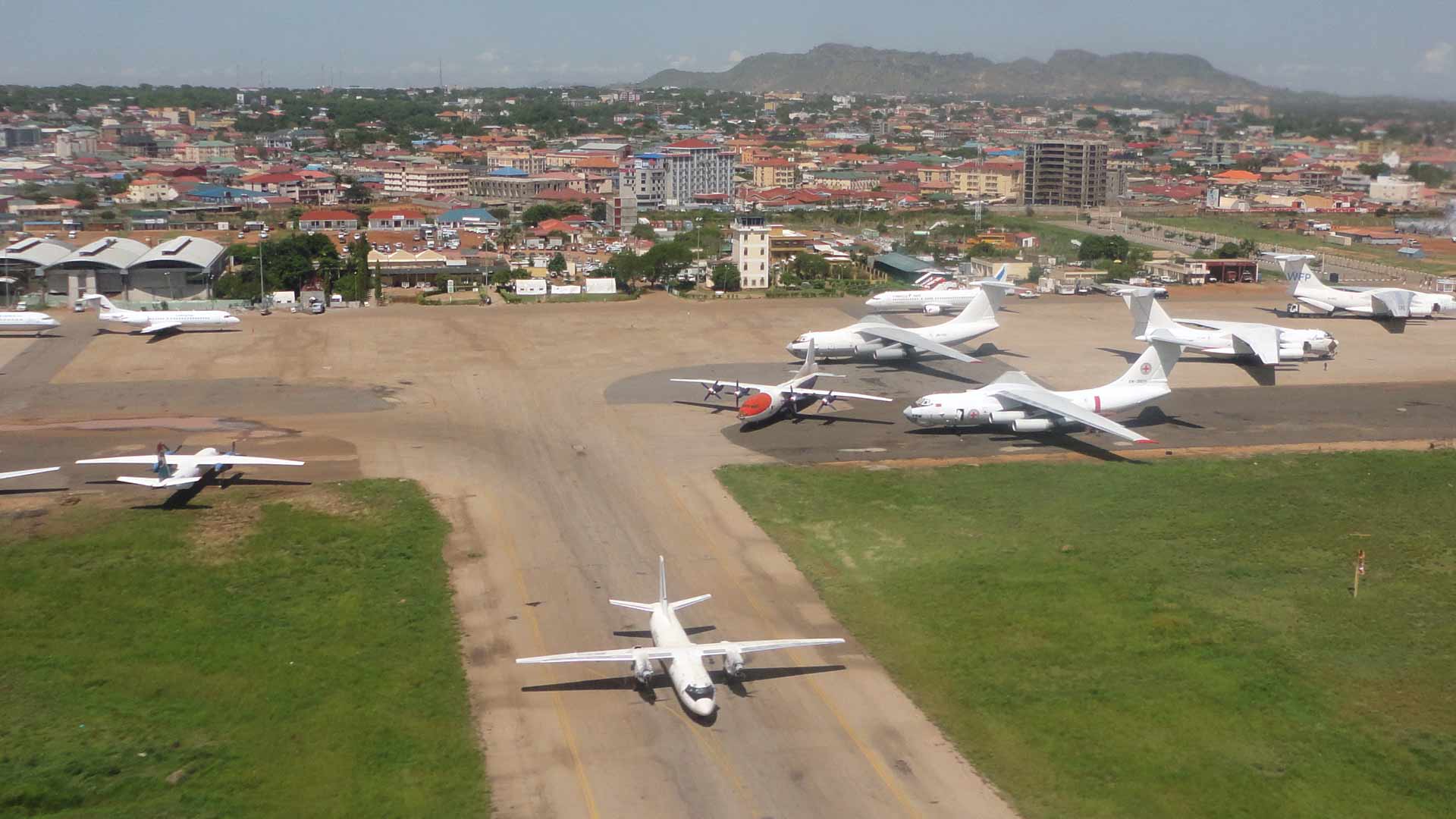
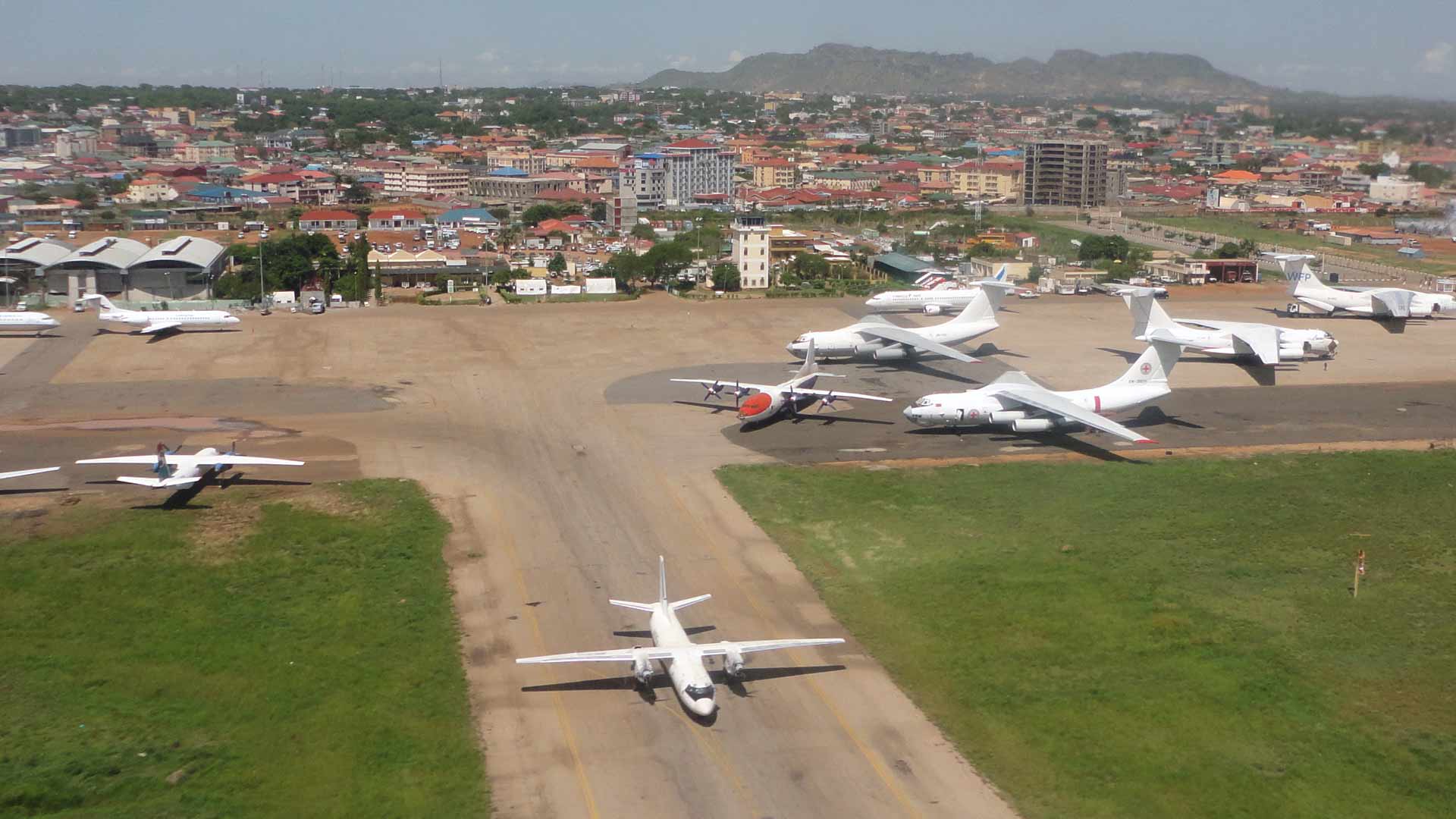
JUBA, June 30, 2026 — In a landmark achievement for the world’s youngest nation, the International Civil Aviation Organization (ICAO) has formally approved the establishment of the Juba Flight Information Region (FIR), granting South Sudan full sovereign control over its airspace for the first time since independence in 2011.
What Happened
The ICAO approval transfers management of South Sudan’s airspace from neighboring countries — primarily Sudan and Kenya, which had been operating air traffic control services since South Sudan’s independence — to the newly established South Sudan Civil Aviation Authority (SSCAA). The Juba FIR covers approximately 620,000 square kilometers of airspace, encompassing all of South Sudan’s territorial skies and extending over portions of the Upper Nile and Equatoria regions.
The decision follows years of technical assessments, infrastructure development, and training programs supported by ICAO, the African Union, and international aviation partners. South Sudan invested heavily in air traffic control equipment, radar systems, and personnel training at the Juba International Airport, which now serves as the primary hub for the new FIR.
Background
Since gaining independence in July 2011, South Sudan relied on Sudan’s air traffic control in Khartoum and Kenya’s Nairobi FIR to manage flights traversing its airspace. This arrangement created operational challenges, including delayed flight approvals, communication gaps, and limitations on the country’s ability to regulate overflights and collect air navigation fees estimated at millions of dollars annually.
The lack of sovereign airspace control also posed national security concerns, as South Sudan had limited visibility into aircraft movements over its territory during periods of civil conflict between government forces and opposition groups. The new FIR enables the SSCAA to monitor all air traffic in real time and coordinate with regional aviation authorities.
Analysis by Dr. Joseph M. Nyieth

Analysis by
Dr. Joseph M. Nyieth
Chief Analyst, Juba Global News Network
This is a defining moment for South Sudan’s sovereignty. Control of airspace is one of the most tangible expressions of nationhood — it means South Sudan can now regulate who flies over its territory, collect overflight revenues, and ensure aviation safety standards. The economic implications are significant. The country stands to earn between $5 million and $15 million annually in overflight fees from international carriers using its airspace. More importantly, this development strengthens South Sudan’s hand in bilateral negotiations with Sudan regarding oil transit fees, border security, and other outstanding matters from the 2012 cooperation agreements. The timing is also strategic, coming as the government seeks to demonstrate governance capacity ahead of the extended transitional period.
Local Perspective
In Juba and across South Sudan, the ICAO decision has been met with widespread celebration. Aviation industry workers at Juba International Airport view the FIR approval as validation of years of training and capacity building. Local business leaders see it as a step toward normalizing South Sudan’s international standing, potentially attracting more airlines to operate direct flights to Juba and boosting trade and tourism.
Communities in remote areas near the Sudanese and Kenyan borders are particularly attentive, as the new FIR is expected to improve the reliability of humanitarian cargo flights and medical evacuation services that serve populations in conflict-affected regions of Upper Nile, Jonglei, and Equatoria. The South Sudan Civil Aviation Authority has announced plans to expand air traffic services to secondary airports in Malakal, Wau, and Rumbek.
Why This Matters
The Juba FIR approval represents more than an aviation milestone. It is a practical demonstration of South Sudan’s capacity to manage a complex, internationally regulated function of statehood. As the country navigates the extended transitional period, achievements like this build the case for renewed international confidence and investment. The aviation sector, often overlooked in post-conflict reconstruction, is now positioned as a driver of economic connectivity and regional integration.
References
This article is based on official ICAO announcements and sources from the South Sudan Civil Aviation Authority. Additional analysis and context provided by Juba Global News Network.
Stay Connected with Juba Global News Network