
 Juba Global Editorial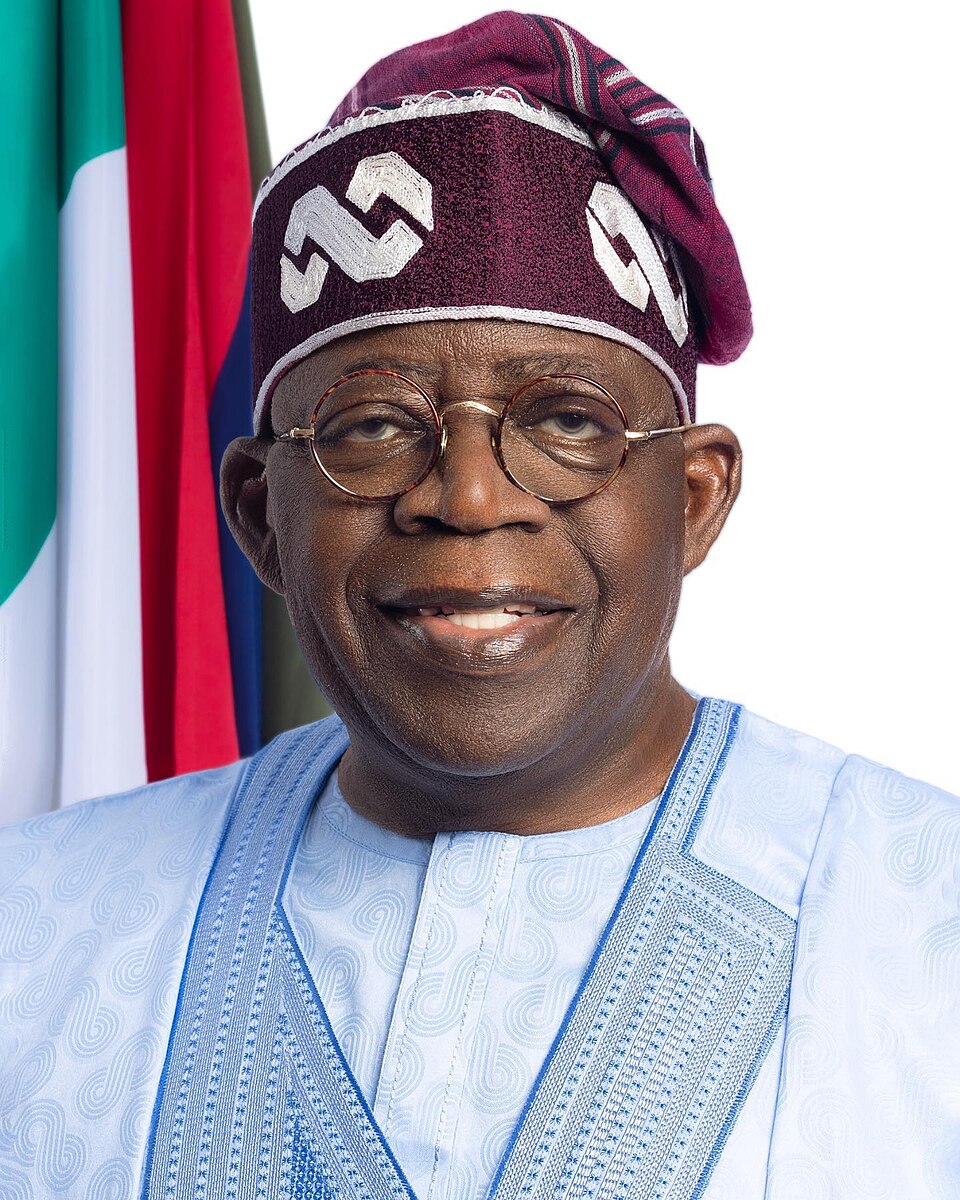
What Happened
President Bola Tinubu and the administration of Nigeria have announced a significant policy development affecting the nation of 229 million people and its $510 billion economy. The announcement, made from Abuja, outlines specific measures and initiatives that will shape the country’s direction in the coming period.
Details of the Announcement
According to official communications released from Abuja, this development involves specific policy measures, including estimated figures of ,, ,, ,, ,, , that are expected to have tangible impacts on Nigeria’s economy and society. President Bola Ahmed Tinubu extends his heartfelt condolences to the National Secretary of the All Progressives Congress, Senator Surajudeen Ajibola Basiru, on the passing of his mother, Alhaja Sidikat Abake Basiru, on Sunday. President Tinubu commends the late matriarch’s sense of discipline and responsibility, instilling in her children the values of integrity, faith, selfless service, […] The announcement includes detailed provisions that government agencies are expected to implement in coordination with relevant stakeholders across multiple sectors.
Why This Matters
This development matters because it reflects the strategic direction of Nigeria’s government under President Bola Tinubu. Policy decisions made in Abuja have implications for a nation of 229 million with a GDP of $510 billion. Understanding these developments provides insight into the country’s governance priorities and its evolving role in regional and global affairs.
Regional Implications
For the broader African continent and nations like South Sudan, developments in Nigeria carry particular significance. Regional economic integration, trade partnerships, and diplomatic relations between African nations continue to deepen through frameworks such as the African Continental Free Trade Area (AfCFTA), which aims to create a single continental market of 1.4 billion people with a combined GDP of over $3.4 trillion. South Sudan, as the continent’s newest nation with a population of approximately 11 million and an economy centered on oil production, remains closely connected to regional developments. Policy shifts in major African economies like Nigeria often influence investment flows, trade patterns, and diplomatic dynamics across the region, including in Juba and other East African capitals.
References
This article is based on official sources. Additional context and analysis provided by Juba Global News Network.
#JubaGlobal
Stay Connected with Juba Global News Network