 Juba Global Editorial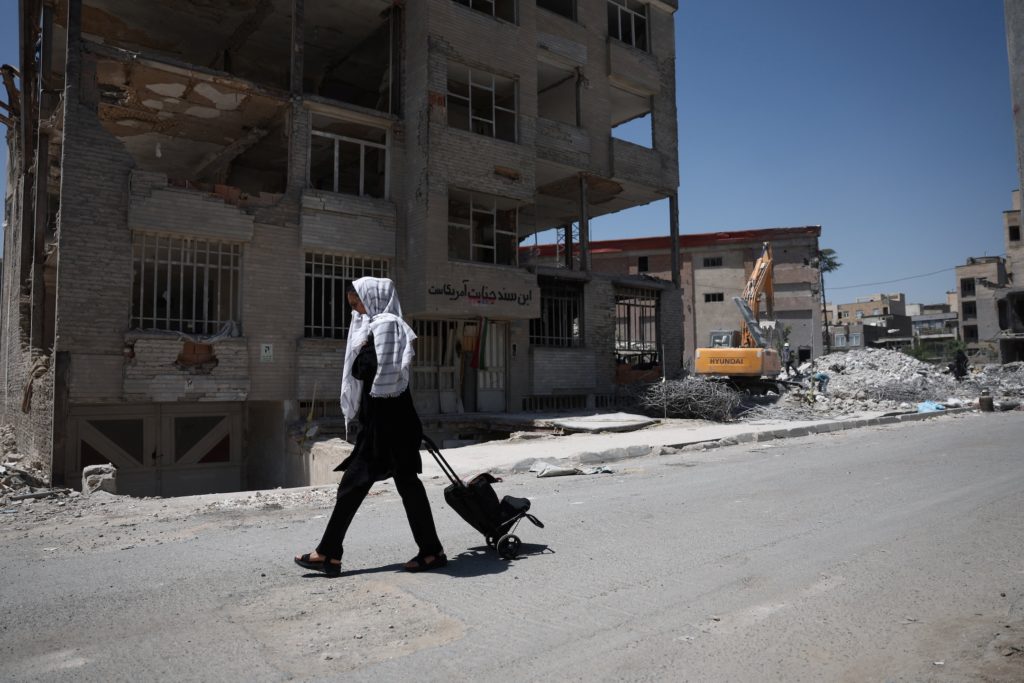
What Happened
WASHINGTON — Middle East policy analysts and former diplomats gathered this week to assess the prospects for a renewed diplomatic agreement between the United States and Iran, amid growing speculation that the Biden administration is exploring new avenues for engagement with Tehran. The discussions come at a critical juncture as both sides weigh the costs of continued confrontation against the potential benefits of a negotiated framework addressing Iran nuclear program and regional activities.
Background: U.S.-Iran Relations in Context
The relationship between the United States and Iran has been defined by mutual distrust and periodic confrontation since the 1979 Iranian Revolution and the ensuing hostage crisis that lasted 444 days. The two nations have not maintained formal diplomatic relations in over four decades, communicating instead through intermediaries including Switzerland, Oman, Qatar, and the European Union.
The 2015 Joint Comprehensive Plan of Action (JCPOA), negotiated under the Obama administration, represented the most significant diplomatic breakthrough in U.S.-Iran relations in decades. The agreement placed strict limits on Iran nuclear enrichment program in exchange for sanctions relief. However, the Trump administration unilaterally withdrew from the deal in 2018, adopting a policy of “maximum pressure” through economic sanctions. Iran responded by progressively exceeding the enrichment limits set by the JCPOA, bringing its nuclear program closer to weapons-grade capability than ever before.
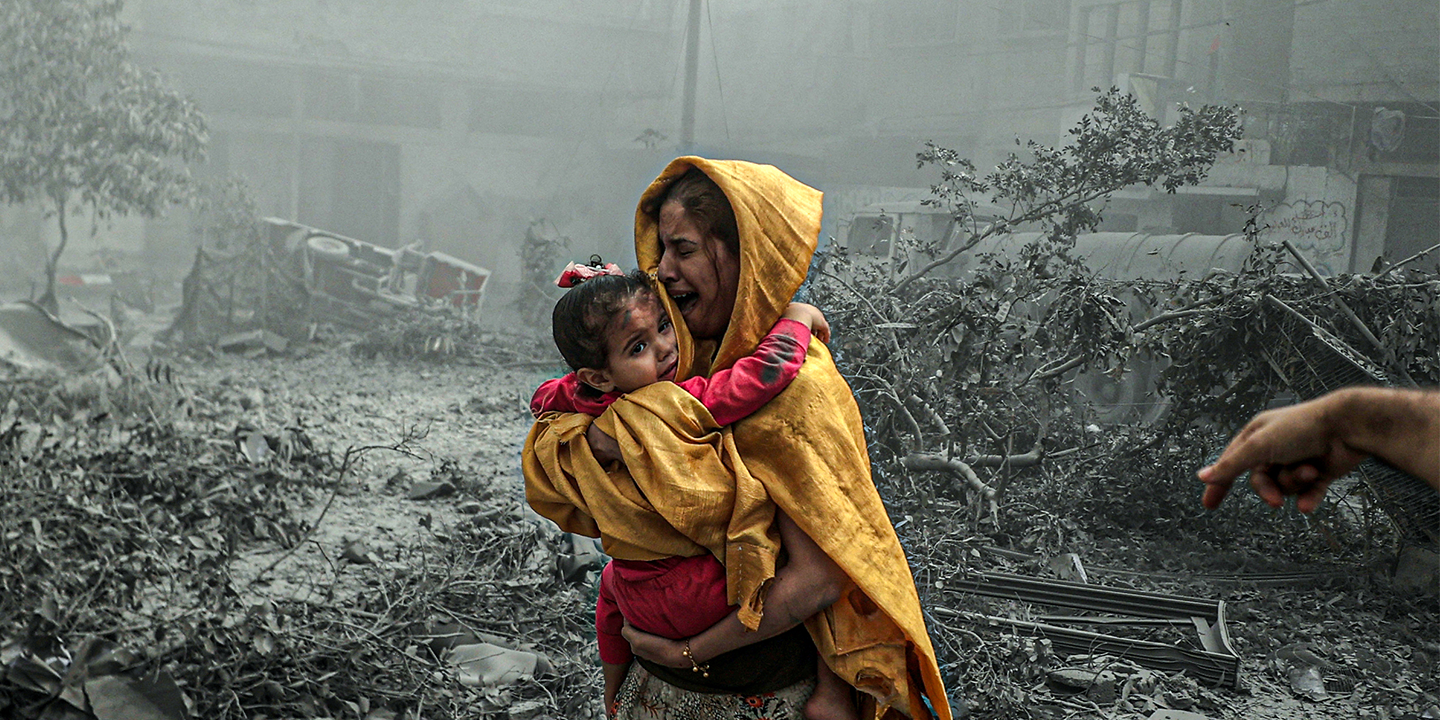
Since the October 2023 Hamas-led attack on Israel and the subsequent war in Gaza, regional tensions have escalated dramatically. Iran-backed groups across the so-called “Axis of Resistance” — including Hezbollah in Lebanon, the Houthis in Yemen, and various militias in Iraq and Syria — have intensified operations against Israeli and American targets. The conflict has expanded into direct military exchanges between Iran and Israel, and between Iran-aligned forces and U.S. military assets in the region, raising fears of a broader regional war.
What Experts Are Saying
Analysts participating in the discussions presented a range of perspectives on the feasibility of renewed diplomacy. Some argued that the current crisis — with direct military engagements, escalating enrichment levels, and regional instability — creates a window of opportunity similar to the conditions that led to the secret Oman-mediated talks that produced the 2015 JCPOA. They point to signals from both sides indicating a willingness to explore indirect diplomatic channels, particularly through Gulf mediators.
Others expressed deep skepticism, noting that the political landscapes in both countries have shifted dramatically. In Washington, the Iran debate has become highly polarized, with congressional Republicans and some Democrats deeply opposed to any agreement that does not address Iran ballistic missile program, support for proxy forces, and human rights record. In Tehran, the hardline establishment under Supreme Leader Ayatollah Ali Khamenei remains deeply suspicious of U.S. intentions, viewing negotiations as a tactic rather than a genuine pathway to normalized relations.
Key sticking points include demands for the scope of any agreement (whether it should cover only nuclear issues or also include Iran regional military activities and missile program), the sequencing of sanctions relief, verification mechanisms, and the duration of any new arrangement.
Why This Matters
The outcome of U.S.-Iran diplomacy carries profound implications for stability across the Middle East and beyond. A diplomatic resolution would reduce the risk of a wider war that could draw in multiple regional and global powers, stabilize energy markets (Iran sits on the world fourth-largest oil reserves and controls the Strait of Hormuz, through which 20% of global oil passes), and potentially open pathways for addressing other regional conflicts including the wars in Gaza, Yemen, and Syria.
Conversely, continued failure to reach an agreement increases the risks of a nuclear-armed Iran — which could trigger a regional arms race involving Saudi Arabia, Turkey, Egypt, and the United Arab Emirates — and prolongs the cycle of military escalation that has already cost thousands of lives and destabilized entire countries. For Africa and the Horn of Africa, regional stability matters directly: instability in the Middle East affects Red Sea shipping lanes (critical for East African trade), oil prices, and the flow of remittances, and can exacerbate existing conflicts in Sudan, Somalia, and the broader Sahel region through the diversion of international attention and resources.
This article is based on official sources and expert analyses. Additional context and analysis provided by Juba Global News Network.
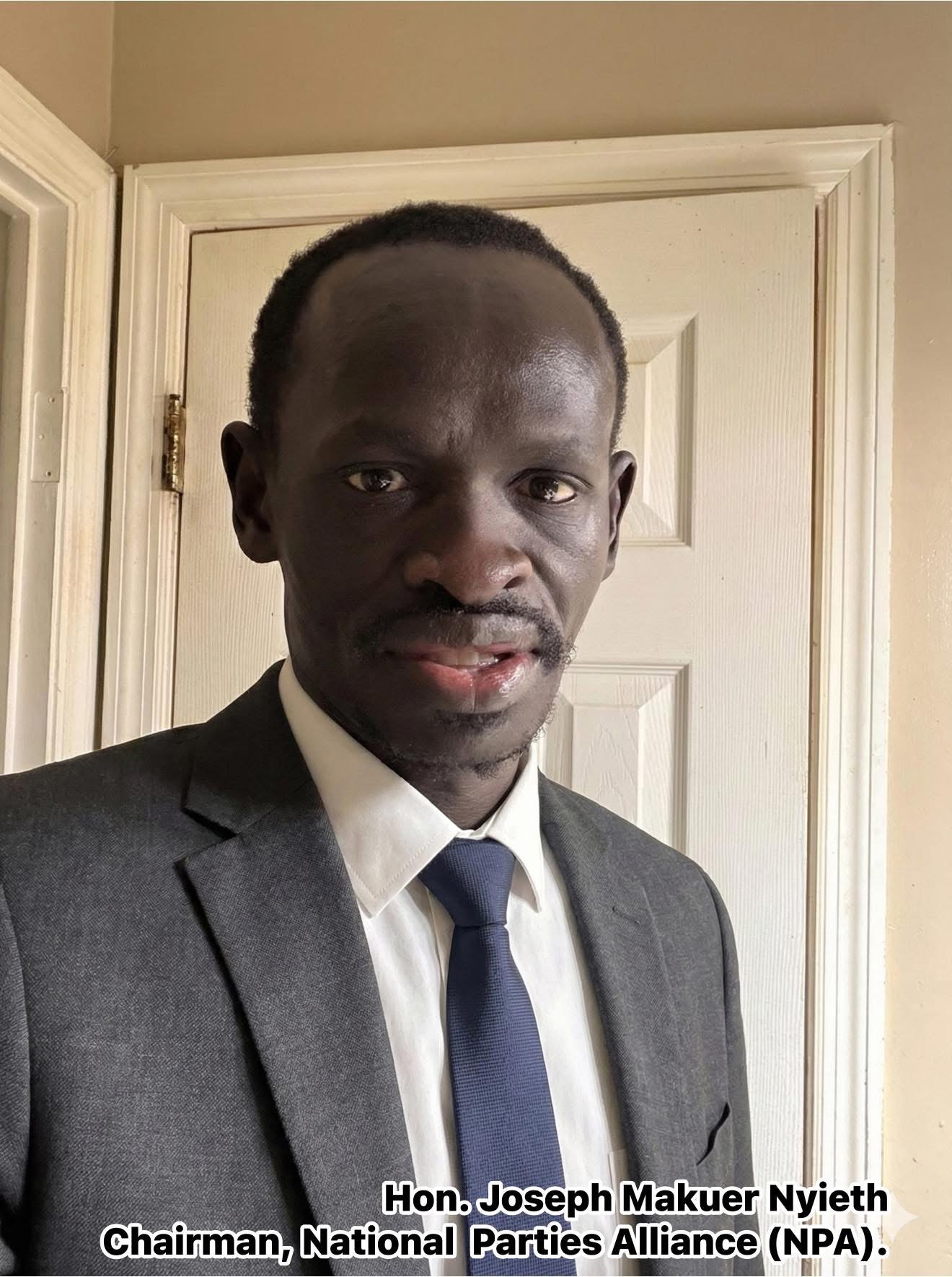
Analysis by Dr. Joseph M. Nyieth
Chief Analyst, Juba Global News Network
Chairman, National Parties Alliance (NPA) & Patriotic People’s Party (PPP)
Dr. Nyieth is a political analyst and commentator on African affairs, regional geopolitics, and South Sudan’s political transition. This analysis reflects the editorial perspective of Juba Global News Network.
Stay Connected with Juba Global News Network