 Juba Global Editorial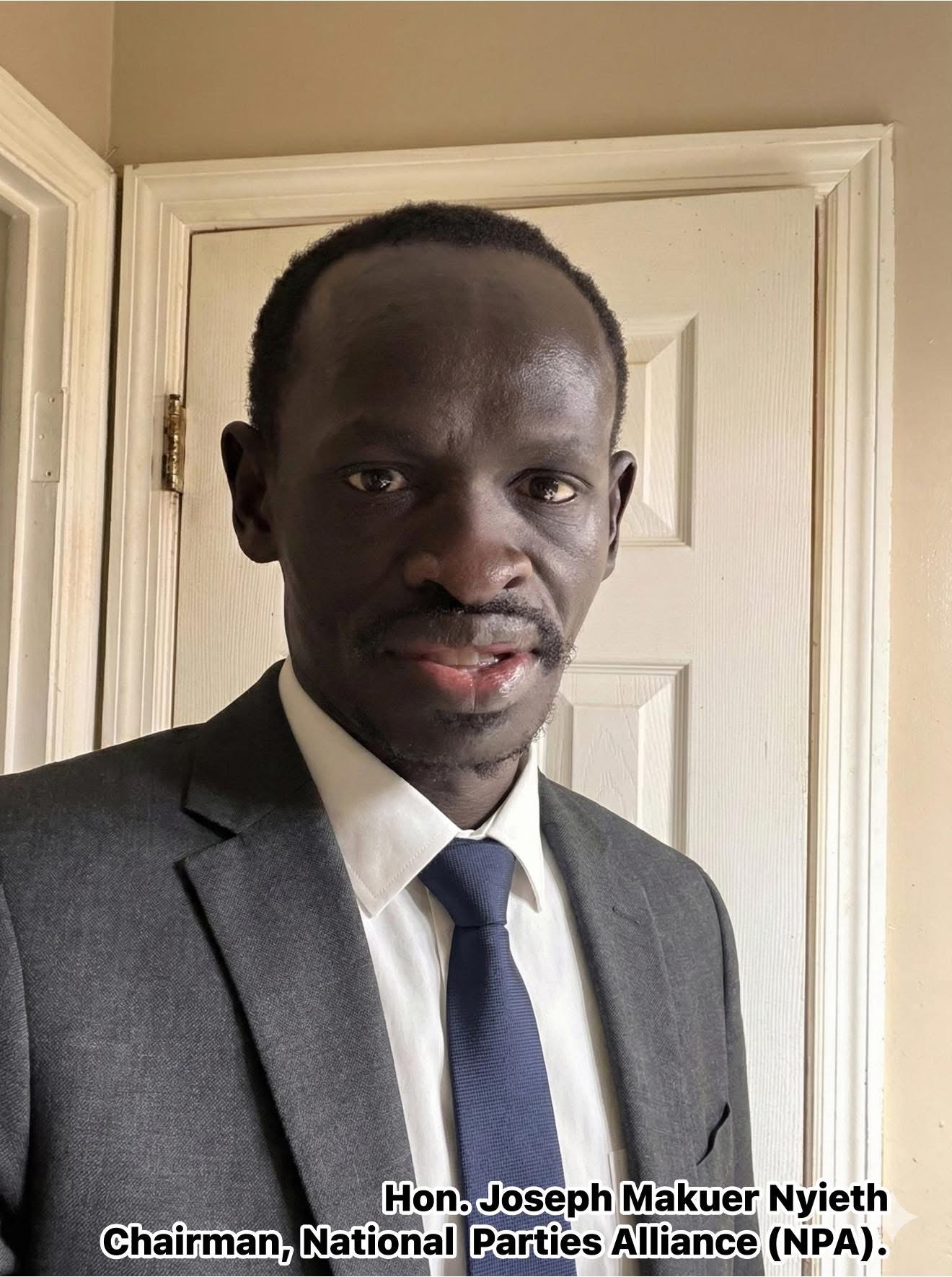
JUBA, June 30, 2026 — In a significant development that has captured international attention, updf commissions ruhengyere army school in kiruhura. This event has prompted responses from governments, international organizations, and civil society stakeholders across the affected region and beyond.
What Happened
In a development that has drawn attention from observers worldwide, updf commissions ruhengyere army school in kiruhura. This event, reported by international news agencies, represents a significant moment with implications for South Sudan and the broader region.
South Sudan gained independence from Sudan on July 9, 2011 after decades of civil war. It has a population of approximately 11 million people. The country is rich in oil reserves but faces significant challenges including political instability, ethnic conflict, underdeveloped infrastructure, food insecurity, and limited access to healthcare and education. This broader context provides important background for understanding the full significance of the current situation.
International observers and regional analysts have emphasized that this development must be understood within its broader geopolitical context. The implications extend beyond the immediate parties involved, potentially affecting trade relationships, security arrangements, and diplomatic alignments across the region.
Background
This development takes place against a complex backdrop of shifting global power dynamics, evolving regional alliances, and ongoing challenges facing the international community. Nations across the world are navigating an increasingly multipolar landscape characterized by great power competition between the United States and China, regional conflicts, climate change impacts, economic uncertainty, and the ongoing transformation of global governance institutions.
As the world’s youngest nation, South Sudan continues to navigate the complex transition from conflict to stability. The 2018 peace agreement established a power-sharing government between President Salva Kiir and First Vice President Riek Machar, but implementation has been slow and periodic violence continues in various parts of the country.
For the African continent, these developments are particularly significant as nations continue to assert greater agency in international affairs. The African Union’s Agenda 2063 framework envisions a continent that is integrated, prosperous, and peaceful, with a strong voice in global governance. Understanding how specific events align with or challenge these aspirations is essential for informed analysis.
Analysis by
Dr. Joseph M. Nyieth
Chief Analyst, Juba Global News Network
As Chief Analyst at Juba Global News Network, I assess that this development involving South Sudan represents a significant moment in contemporary international affairs. This development merits close attention because it intersects with broader trends in global governance, regional security architecture, and the evolving international order. For African nations particularly, including South Sudan, the ability to read these signals and position accordingly will determine the extent to which they can leverage international developments for domestic benefit.
Local Perspective
Within South Sudan, local observers and civil society organizations have closely monitored this development, recognizing its potential implications for the country. Community leaders in Juba and across the states have emphasized the importance of staying informed about international affairs that may affect South Sudan’s peace process, economic partnerships, and regional relationships. Analysts note that South Sudan’s position within the region means that developments in neighboring countries often have direct consequences for trade, security, and humanitarian conditions along the border areas.
Why This Matters
This development carries significance that extends well beyond its immediate context. For South Sudan and the African continent, understanding these dynamics is essential for navigating the complex challenges of the 21st century — from regional security and economic integration to climate resilience and democratic governance. As the world becomes increasingly interconnected, events in one region resonate across the globe, making informed analysis and contextual understanding more important than ever. Juba Global News Network remains committed to providing the depth of coverage necessary for our readers to make sense of an evolving global landscape.
References
This article is compiled from international news reports with additional analysis and context provided by Juba Global News Network. For more detailed coverage and breaking news updates, follow us on social media and subscribe to our channel.
Stay Connected with Juba Global News Network