Zelenskyy Reveals US-Imposed June 2026 Deadline for Ukraine-Russia Peace Agreement Amid Intensified Talks and Ongoing Attacks
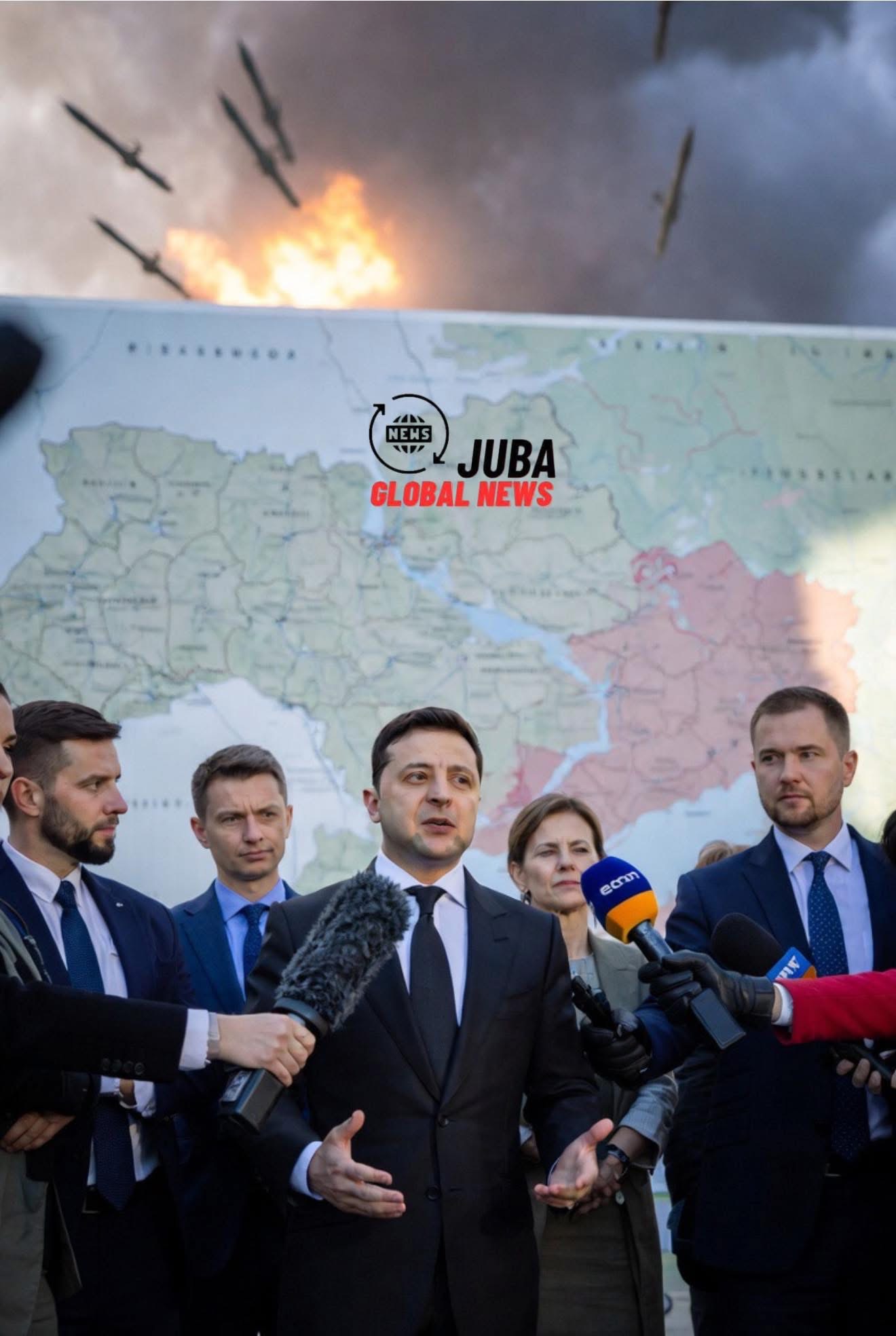
In a candid revelation that has sent shockwaves through diplomatic circles and the global public, Ukrainian President Volodymyr Zelenskyy disclosed on February 6, 2026, that the United States—under President Donald Trump’s administration—has set a firm June 2026 deadline for Ukraine and Russia to reach a comprehensive agreement to end the nearly four-year war. The statement, made to reporters in Kyiv and embargoed until early Saturday, February 7, marks one of the most explicit indications yet of Washington’s aggressive push to broker a resolution in the protracted conflict that has claimed hundreds of thousands of lives, displaced millions, and reshaped global geopolitics.
“The Americans are proposing the parties end the war by the beginning of this summer and will probably put pressure on the parties precisely according to this schedule,” Zelenskyy said. He emphasized that the Trump administration “wants to do everything by June” and has insisted on “a clear schedule of all events” to bring the fighting to a close. Zelenskyy added that if the deadline passes without a deal, the US is likely to intensify leverage on both Kyiv and Moscow to force compliance.
The disclosure comes at a pivotal moment in the diplomatic efforts that have accelerated since Trump’s return to office. Recent rounds of indirect and trilateral talks—facilitated in locations including Abu Dhabi—have shown some progress on peripheral issues like ceasefire monitoring mechanisms, prisoner exchanges, and humanitarian corridors. However, core disputes remain deeply entrenched: territorial control (particularly over Crimea, Donbas, and Zaporizhzhia regions), security guarantees for Ukraine (including NATO aspirations or bilateral defense pacts), demilitarization parameters, sanctions relief for Russia, and reconstruction funding.
Zelenskyy confirmed Ukraine’s willingness to participate in the next round of trilateral negotiations, proposed by the US to take place next week on American soil—likely in Miami—for the first time in this format. “We confirmed our participation,” he stated, signaling Kyiv’s commitment to engagement despite skepticism about Russia’s sincerity.
The June timeline appears tied to domestic US political realities. Zelenskyy acknowledged that “internal issues” in the United States, including the ramp-up to the November 2026 congressional midterm elections, are influencing the urgency. Analysts suggest the Trump administration views a swift resolution—or at least a framework agreement—as a signature foreign policy achievement that could bolster Republican positions ahead of the midterms, while also reducing US financial and military commitments to Ukraine.
The revelation coincides with intensified Russian military activity. On the same day as Zelenskyy’s comments, Russian forces launched fresh drone and missile strikes on Ukrainian energy infrastructure, forcing several nuclear power plants to reduce output and exacerbating blackouts in multiple regions. These attacks underscore Moscow’s continued pressure on the battlefield even as talks proceed, a pattern that has characterized negotiations throughout the war. Ukrainian officials have repeatedly accused Russia of using military escalation to strengthen its bargaining position.
Zelenskyy struck a pragmatic yet cautious tone. While welcoming the US drive for peace, he stressed the need for realistic terms that protect Ukraine’s sovereignty and security. “If the Russians are really ready to end the war, then it is really important to set a deadline,” he noted, but he has historically resisted concessions on territory or neutrality that could be seen as capitulation.
Reactions from international observers have been mixed. Supporters of a negotiated end see the deadline as a necessary catalyst to break the stalemate after years of attrition warfare. Critics, including some European allies and Ukrainian hardliners, worry it could pressure Kyiv into unfavorable compromises, especially given Russia’s demands for recognition of annexed territories and limits on Ukraine’s Western integration.
For Russia, the public response has been muted so far, with Kremlin spokespeople reiterating that any deal must address “root causes” like NATO expansion and security guarantees for Moscow. President Vladimir Putin has not directly commented on the June timeline, but Russian state media has framed ongoing talks as evidence of Western fatigue rather than strength.
As the world watches the Miami talks unfold next week, the June 2026 deadline looms large. It represents both an opportunity for peace after immense suffering and a high-stakes gamble—if unmet, it could lead to escalated US pressure, renewed battlefield intensity, or a deeper diplomatic freeze. For now, Zelenskyy’s disclosure has crystallized the Trump administration’s determination to end America’s longest indirect involvement in a major European war, setting the stage for what could be the most consequential months since the invasion began in February 2022.
The coming weeks will test whether diplomacy can overcome the entrenched positions that have defined this conflict. With lives hanging in the balance and global stability at stake, the pressure is now squarely on Kyiv, Moscow—and Washington—to deliver results by summer.