

US-Iran Nuclear Talks in Geneva Conclude Without a Deal But Show Some Signs of Progress Amid Military Posturing
On February 26, 2026, the United States and Iran wrapped up their third round of high-stakes indirect nuclear negotiations in Geneva, Switzerland, without
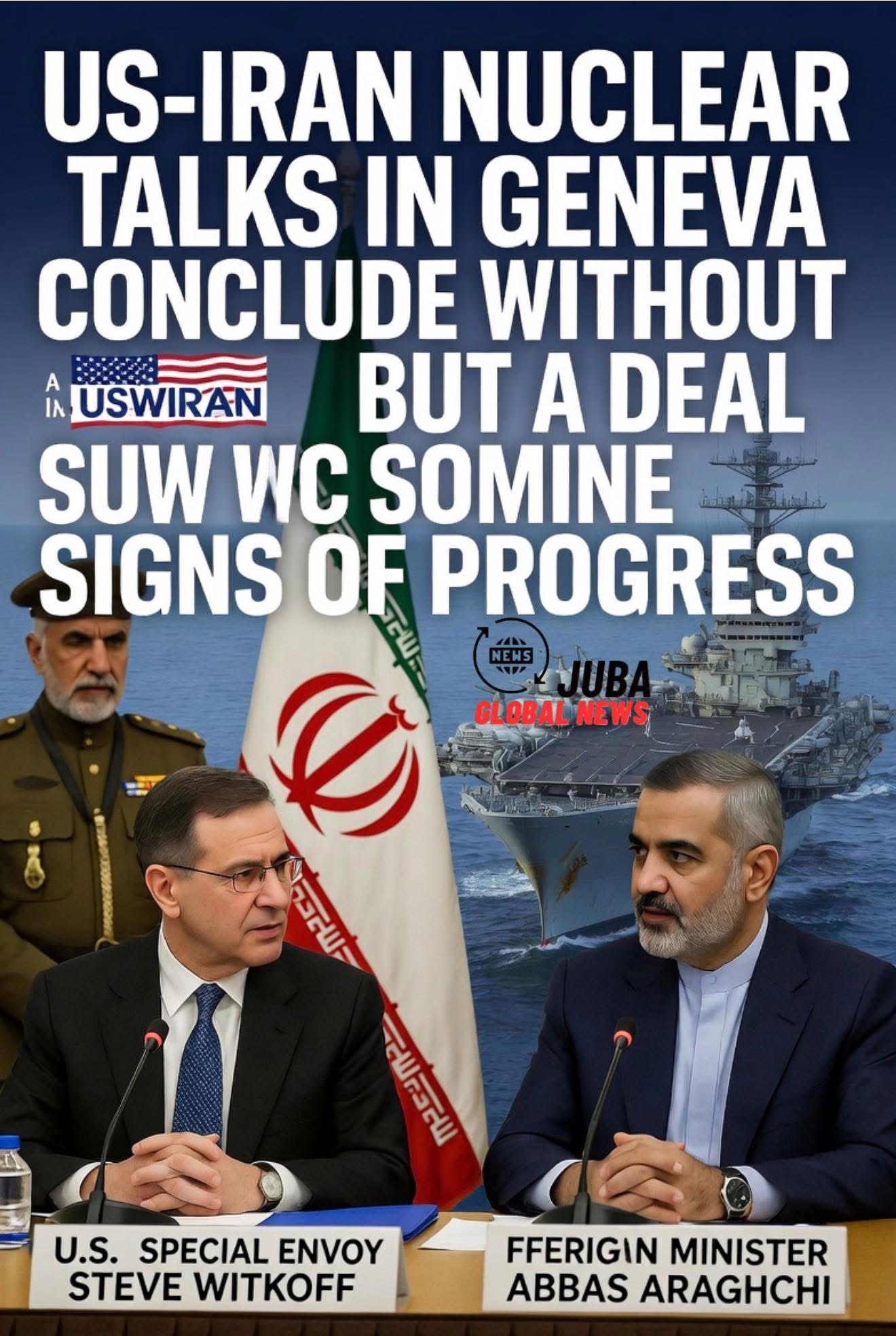
On February 26, 2026, the United States and Iran wrapped up their third round of high-stakes indirect nuclear negotiations in Geneva, Switzerland, without reaching a comprehensive agreement on Tehran’s nuclear program. The talks, mediated by Oman, lasted several hours across morning and afternoon sessions but ended with no finalized deal, leaving the door open for continued diplomacy while the specter of military confrontation looms large over the region.
Omani Foreign Minister Badr al-Busaidi, who served as the key intermediary, described the discussions as having achieved “significant progress.” He announced that technical-level talks would resume the following week in Vienna, hosted at the International Atomic Energy Agency (IAEA) headquarters, with further political negotiations potentially scheduled soon after consultations in Washington and Tehran. Iranian Foreign Minister Abbas Araghchi called the session one of the “most intense” and “longest” rounds yet, noting “good progress” on certain issues, including aspects of uranium enrichment and sanctions relief, while acknowledging persistent differences on others. He emphasized a “seriousness on both sides” to reach an accord, describing it as among the best negotiating sessions to date.
The U.S. delegation, led by special Middle East envoy Steve Witkoff—a close Trump associate—and including Jared Kushner, Trump’s son-in-law, engaged both indirectly (through Omani relays) and directly with Iranian counterparts. Despite the upbeat assessments from the mediator and Iranian side, U.S. officials and media reports indicated no major breakthrough. Key sticking points remained unresolved, with the two sides still far apart on core demands.
Core Demands and Sticking Points
According to accounts from U.S. officials briefed to outlets like The Wall Street Journal and CNN, American negotiators presented tough conditions: dismantling major nuclear facilities at Fordow, Natanz, and Esfahan; transferring all highly enriched uranium stockpiles to the United States; and committing to a permanent agreement without sunset clauses (time-limited restrictions). The U.S. reiterated its preference for “zero enrichment” but signaled potential flexibility for very low-level enrichment strictly for medical or civilian purposes, provided Iran could credibly demonstrate no weaponization intent.
Iran, represented by Araghchi, firmly rejected proposals to destroy facilities, ship out enriched uranium, or halt enrichment entirely. Tehran insisted that lifting all U.S. and UN Security Council sanctions is essential for any deal and maintained its right to peaceful nuclear energy under IAEA oversight. Iranian sources emphasized that economic incentives unrelated to nuclear issues were offered to encourage concessions, but these fell short of U.S. expectations for minimal sanctions relief in return for major nuclear rollbacks.
The talks unfolded against a backdrop of intense U.S. military buildup in the region, including the deployment of the USS Gerald R. Ford carrier strike group and other assets—described as one of the largest concentrations of American forces in the Middle East in decades. President Donald Trump has repeatedly warned of “bad things” if no deal is reached, including potential strikes on Iranian nuclear sites, while reiterating a preference for diplomacy that forces Tehran to abandon any path to nuclear weapons.
Historical Context and Broader Stakes
These negotiations mark the latest chapter in a renewed push under the second Trump administration to address Iran’s nuclear ambitions, following the collapse of the 2015 Joint Comprehensive Plan of Action (JCPOA) after the U.S. withdrawal in 2018. Previous rounds in early 2026 (including in Muscat, Oman) set the stage, but February’s Geneva session represented the most direct and prolonged engagement yet.
The stakes are extraordinarily high. Failure could trigger U.S. or Israeli military action against Iran’s nuclear infrastructure, risking escalation involving Iranian proxies like Hezbollah, Houthis, and militias in Iraq and Syria. A successful deal, however limited, could avert war, provide sanctions relief to Iran’s struggling economy, and stabilize oil markets amid global uncertainties.
Iran’s program has advanced significantly since the JCPOA’s unraveling, with enriched uranium stockpiles reportedly sufficient for multiple weapons if further processed—though U.S. intelligence and IAEA assessments indicate no active weaponization efforts post-2025 strikes. Trump has claimed Iran is restarting its program aggressively, though some claims remain unverified or contested.
Outlook: Diplomacy or Confrontation?
With technical experts set to meet in Vienna starting next week, both sides appear committed to keeping channels open—at least for now. Omani mediation continues to prove vital, and figures like Vice President JD Vance are engaging regional partners to sustain momentum.
Yet the gap between demands remains wide: the U.S. seeks near-total dismantlement for minimal immediate relief, while Iran demands comprehensive sanctions removal and preservation of its enrichment capabilities. Analysts note that while “progress” rhetoric suggests narrowing differences on procedural or peripheral issues, fundamental red lines persist.
As military options remain on the table and Trump weighs his next moves, the coming days and weeks will be decisive. Diplomacy has gained a slight reprieve, but the risk of war hangs heavy if talks stall again.
For millions in the region and beyond, the outcome could determine whether 2026 brings fragile peace or devastating conflict.
(Compiled from reports by Al Jazeera, CNN, Reuters, The Washington Post, AP, PBS, CNBC, The New York Times, BBC, and other major outlets as of February 27, 2026. The situation is rapidly evolving; check official statements for updates.)
