

US Authorizes Departure of Non-Essential Embassy Staff and Families from Israel Amid Heightened Iran Tensions
On February 27, 2026, the United States took a precautionary but significant step in its diplomatic posture in the Middle East: the State Department author
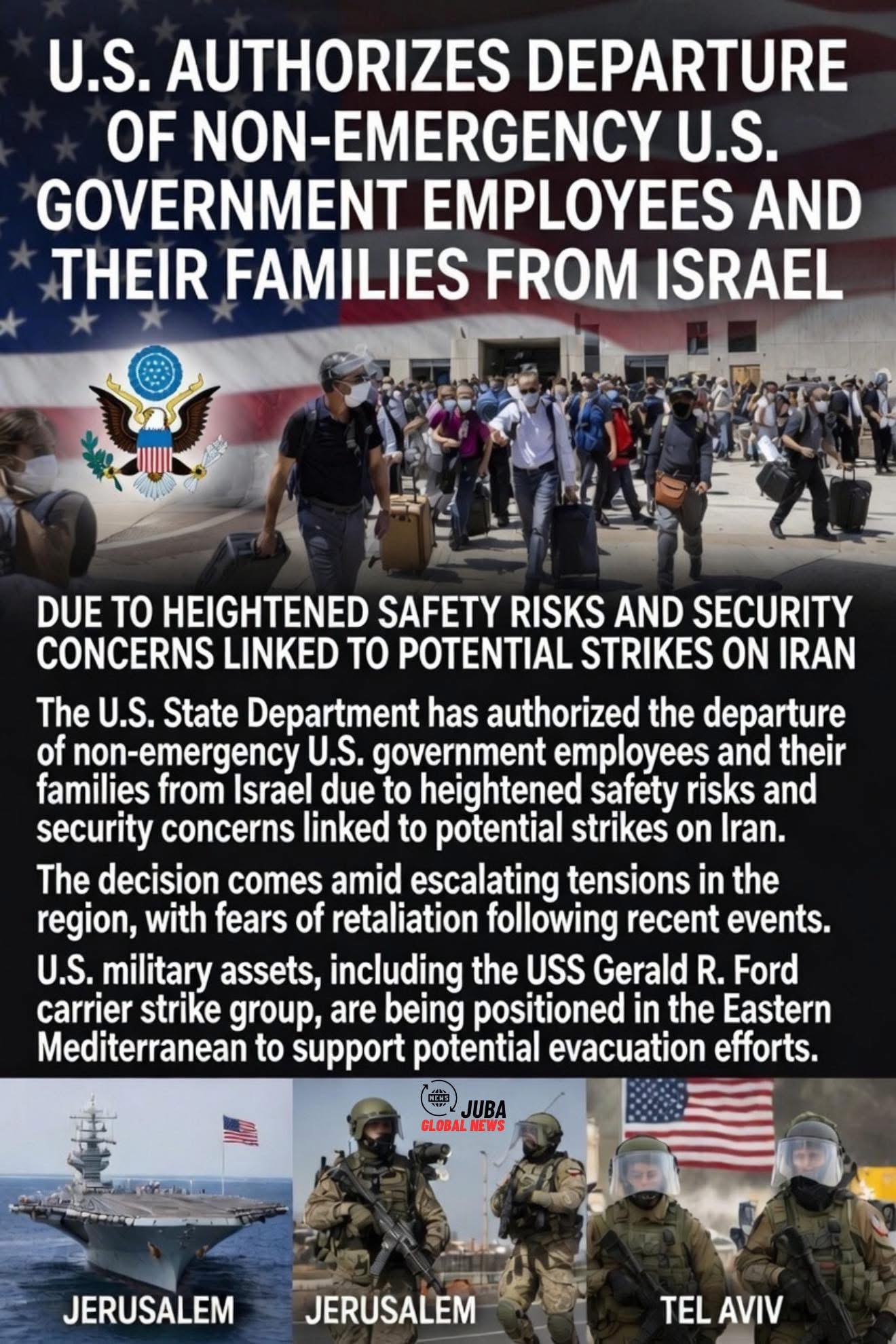
On February 27, 2026, the United States took a precautionary but significant step in its diplomatic posture in the Middle East: the State Department authorized the voluntary departure of non-emergency U.S. government personnel and their family members from the U.S. Mission in Israel. This move, announced via an updated travel advisory on the U.S. Embassy in Jerusalem’s website and communicated directly to staff, comes against the backdrop of escalating regional risks tied to potential U.S. military action against Iran.
The authorization—known formally as an “authorized departure”—allows eligible employees to choose whether to leave Israel, with the embassy urging those who wish to depart to act quickly. U.S. Ambassador to Israel Mike Huckabee sent an internal email to mission staff Friday morning, emphasizing urgency: those desiring to leave “should do so TODAY.” He advised booking any available flight out of Ben-Gurion Airport immediately, then proceeding to Washington or another safe destination. Huckabee stressed that the decision stemmed from “an abundance of caution” following overnight consultations with State Department officials in Washington, prioritizing staff safety without calling for panic.
The embassy’s public notice stated: “On February 27, 2026, the Department of State authorized the departure of non-emergency U.S. government personnel and family members of U.S. government personnel from Mission Israel due to safety risks.” It added that individuals “may wish to consider leaving Israel while commercial flights are available,” and warned that the embassy could impose further travel restrictions to certain areas—including parts of Israel, the Old City of Jerusalem, and the West Bank—in response to security incidents without prior notice.
Context: Looming Threat of U.S.-Iran Confrontation
This development occurs as tensions between the United States and Iran reach a critical point. Recent indirect nuclear talks in Geneva concluded without a breakthrough, though some reports noted minor progress. President Donald Trump has repeatedly threatened military strikes on Iran’s nuclear facilities if Tehran does not agree to stringent limits on its program. These warnings follow a pattern of U.S. military posturing, including the deployment of significant naval and air assets to the region—the USS Gerald R. Ford carrier strike group was en route to waters near Israel, signaling a major buildup.
The authorized departure falls short of a full “ordered departure” (which mandates evacuation), as seen earlier this week at the U.S. Embassy in Beirut, Lebanon. Instead, it represents a voluntary measure to reduce the U.S. diplomatic footprint in a potential flashpoint zone. Analysts interpret it as contingency planning amid fears that Iran—or its proxies—could retaliate against U.S. interests or allies if strikes occur. Israel, as America’s closest regional ally and a frequent target of Iranian threats, sits at the heart of these concerns.
Broader Regional Implications
The decision has heightened anxiety in Israel and across the Middle East. While the embassy emphasized no immediate panic, the urgency in Huckabee’s message and the explicit link to “safety risks” (without detailing them) fueled speculation about imminent developments. Commercial flights remain operational, but the advisory implicitly suggests that window could narrow if hostilities erupt.
This is not the first time the U.S. has adjusted its posture in Israel due to security threats. Previous alerts have coincided with escalations involving Hamas, Hezbollah, or Iranian-backed groups. However, the current context—direct U.S.-Iran brinkmanship under a Trump administration—marks a higher-stakes environment. The move also contrasts with ongoing diplomacy: while talks continue (including in Oman and other channels), military options remain openly on the table.
For U.S. personnel and families in Israel, the authorization offers a lifeline to relocate temporarily or permanently if they perceive elevated danger. Many embassy staff live in secure compounds in Jerusalem and Tel Aviv, but the advisory underscores the unpredictability of the situation.
What This Means Moving Forward
The authorized departure signals Washington’s preparation for worst-case scenarios without fully withdrawing diplomatic presence. Essential operations at the embassy will continue, but with a reduced footprint. It also serves as a subtle public message to Iran and other actors about U.S. readiness.
As military assets converge and negotiations stall, the coming days could prove decisive. If strikes on Iran materialize, repercussions could include missile exchanges, proxy attacks, or disruptions across the region—potentially affecting air travel, borders, and civilian safety in Israel.
For now, the U.S. stance is precautionary: protect personnel, maintain flexibility, and keep diplomatic channels open amid one of the most volatile periods in U.S.-Iran relations in recent years.
(Compiled from reports by The New York Times, Reuters, CNN, NBC News, Associated Press, U.S. Embassy Jerusalem official statements, and other sources as of February 27, 2026. The situation remains fluid; check official U.S. government advisories for the latest updates.)
