Trump Vows to Intensify Strikes on Iran, Dismisses New Supreme Leader
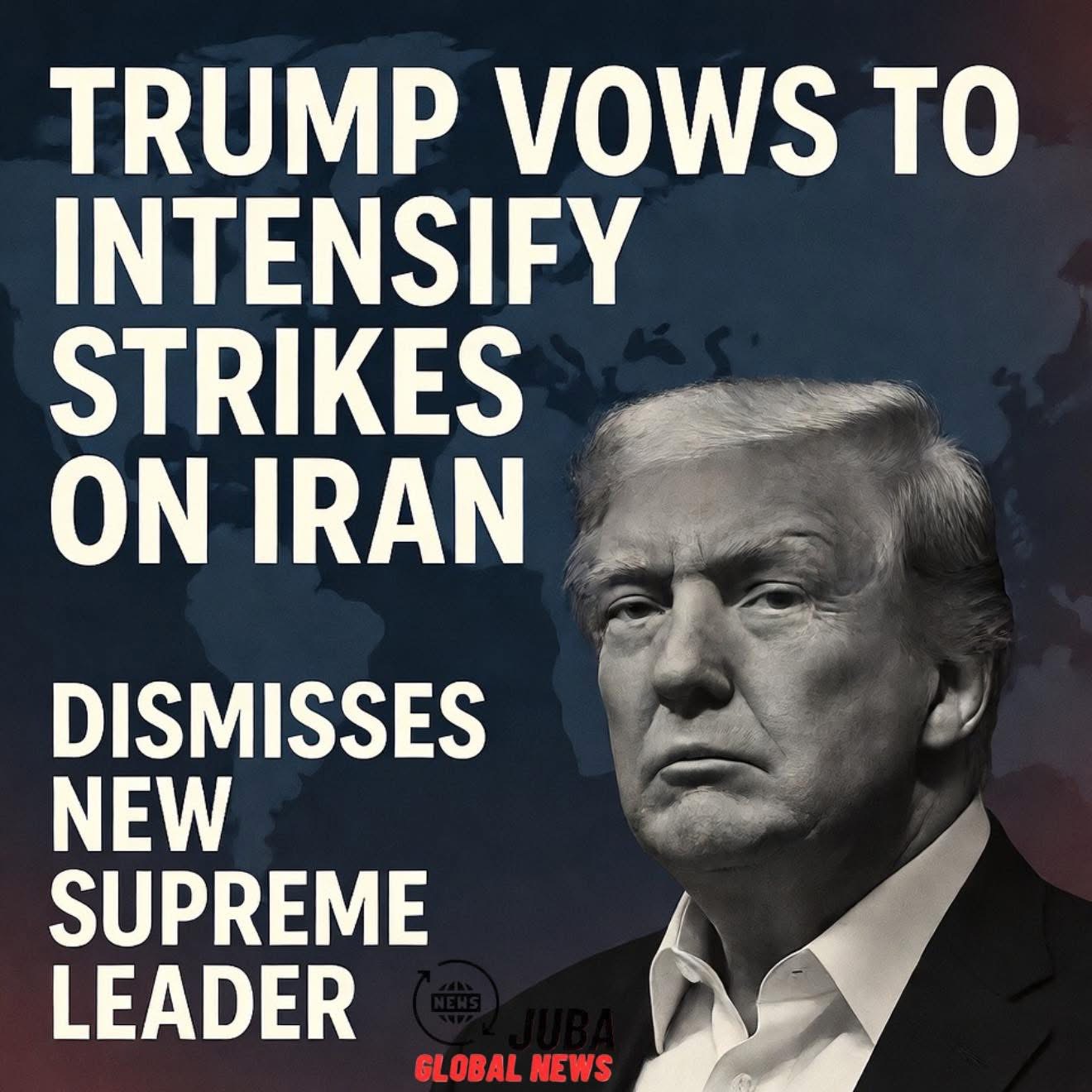
As the US-Israel-Iran war grinds into its second week on March 9, 2026, President Donald Trump has escalated his rhetoric and military posture, pledging to ramp up attacks on Iranian targets while openly rejecting the newly appointed Supreme Leader, Mojtaba Khamenei. In a series of interviews, social media posts, and public statements over the weekend, Trump declared that the conflict would only end with Iran’s “unconditional surrender,” followed by U.S. involvement in selecting an “acceptable” leader—one he made clear does not include Mojtaba Khamenei, the hardline son of the late Ayatollah Ali Khamenei.
The president’s comments come amid intensified U.S. and Israeli airstrikes that have pummeled Tehran, oil facilities, IRGC bases, and missile sites, while Iran continues retaliatory barrages against Israel, U.S. allies in the Gulf, and regional infrastructure. The war, dubbed Operation Epic Fury by the Pentagon, has already claimed thousands of lives, displaced hundreds of thousands, and sent global oil prices soaring past $100 per barrel due to disruptions in the Strait of Hormuz.
Trump’s Escalation: “Very Hard” Strikes and No Compromise
Trump’s vow to intensify operations surfaced prominently on March 7–8, as he signaled that attacks would “hit very hard” over the weekend and into the coming days. In Truth Social posts and interviews with outlets like Reuters, Axios, and Politico, he described upcoming strikes as targeting areas and groups previously off-limits, warning of “complete destruction and certain death” for Iran’s regime unless it capitulates.
- “Today Iran will be hit very hard!” Trump posted early Saturday, March 8. “Under serious consideration for complete destruction and certain death, because of Iran’s bad behavior, are areas and groups of people that were not considered for targeting up until this moment in time.”
- He reiterated demands for “UNCONDITIONAL SURRENDER,” stating there would be “no deal with Iran except unconditional surrender,” after which the U.S. and allies would help rebuild Iran “bigger, better, and stronger” under new leadership.
Trump’s White House press team, including spokesperson Karoline Leavitt, emphasized that only the president would determine when surrender has occurred. Pentagon officials have indicated expanded targeting, including deeper strikes on government infrastructure in Tehran and remaining missile capabilities, as the U.S. military works through its target list “substantially ahead of schedule” from initial projections of 4–5 weeks.
The rhetoric echoes Trump’s earlier justifications for the war: preventing an imminent nuclear threat, responding to decades of Iranian aggression (including proxy attacks and support for terrorism), and protecting U.S. troops and allies. He has claimed the strikes were necessary to avert a larger nuclear conflict, asserting that without action, Iran would have struck first.
Dismissing Mojtaba Khamenei: “Unacceptable” and “Not Going to Last Long”
The appointment of Mojtaba Khamenei as Supreme Leader—confirmed by Iran’s Assembly of Experts on March 8—drew immediate scorn from Trump. In interviews and statements, he repeatedly called the 56-year-old cleric “unacceptable,” a “lightweight,” and insisted the U.S. must approve Iran’s next leader.
- Trump told Axios and Reuters he should have a “role” in choosing Iran’s successor, comparing it to U.S. influence in Venezuela after the ouster of Nicolás Maduro.
- “Khamenei’s son is unacceptable to me,” he said. “If he doesn’t get approval from us, he’s not going to last long.”
- In an ABC News interview, he added: “We want someone that will bring harmony and peace to Iran… He’s going to have to get approval from us. If he doesn’t, he’s not going to last long.”
Trump framed this as preventing future U.S. administrations from facing the same threats “every 10 years.” Iranian officials, including Foreign Minister Abbas Araghchi, rejected the interference, insisting leadership is an internal matter for Iranians. State media portrayed Mojtaba’s selection as a symbol of resilience and defiance against “arrogant powers.”
Mounting U.S. Losses and Domestic Backlash
Trump’s tough stance comes as U.S. casualties rise. The Pentagon confirmed the death of an eighth American service member from injuries sustained in earlier Iranian attacks, including drone strikes on bases in Kuwait and elsewhere. Trump attended dignified transfer ceremonies for fallen troops, underscoring the human cost while vowing continued resolve.
Critics, including former officials like Jake Sullivan, have questioned whether the war was “fully thought through,” pointing to shifting rationales (from nuclear prevention to regime pressure to leadership selection) and risks of prolonged engagement. Homeland security alerts have heightened over potential Iranian-backed retaliation on U.S. soil, including lone-wolf attacks or cyberattacks.
Domestically, the conflict has divided opinion: supporters praise Trump’s “peace through strength,” while opponents warn of another open-ended Middle East quagmire echoing Iraq or Afghanistan.
Regional and Global Ramifications
Iran’s new leadership under Mojtaba Khamenei—known for hardline views and IRGC ties—signals no immediate de-escalation. Tehran has pledged allegiance to the new Supreme Leader while launching fresh missile strikes, including barrages triggering sirens in Tel Aviv.
The war’s expansion has drawn in Gulf states, Lebanon (via Hezbollah), and raised concerns about Russian intelligence support to Iran. Oil markets remain volatile, with fears of broader economic fallout if disruptions persist.
As strikes intensify and Trump doubles down on demands for surrender and U.S.-approved leadership, the path to resolution appears distant. Whether military pressure forces collapse or prolongs a bloody stalemate remains the central question in this rapidly evolving crisis.
By: Juba Global News Network | JubaGlobal.com
(Compiled from official statements, interviews, Pentagon updates, and verified international reporting as of March 9, 2026. The conflict is fluid; developments can change rapidly.)