

Fresh Iranian Missile Barrage Triggers Air Raid Sirens in Tel Aviv
The escalating US-Israel-Iran war reached a dramatic crescendo on March 9, 2026, as Iran unleashed a series of intense missile and drone barrages targeting
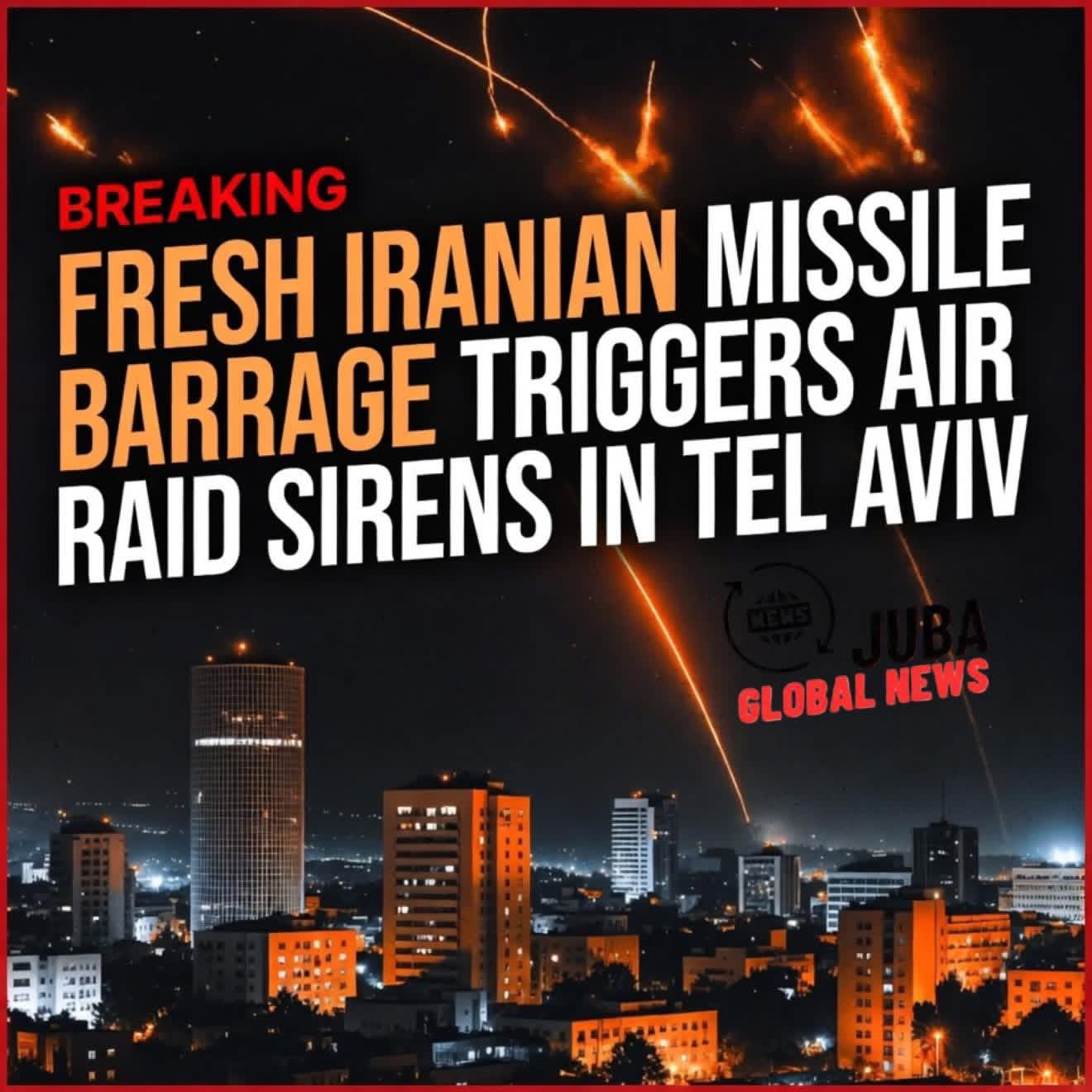
The escalating US-Israel-Iran war reached a dramatic crescendo on March 9, 2026, as Iran unleashed a series of intense missile and drone barrages targeting Israel—its first major retaliatory strikes following the appointment of Mojtaba Khamenei as the new Supreme Leader. Air raid sirens wailed across major population centers, most notably in Tel Aviv, Jerusalem, Haifa, and northern regions, forcing millions into bomb shelters amid a night and early morning of explosions, interceptor fire, and reported impacts. This salvo, described by Iranian state media as a demonstration of resolve under the new leadership, underscored Tehran’s determination to continue the fight despite heavy losses from ongoing US-Israeli airstrikes.
Timing and Trigger: Defiance Under New Leadership
The attacks began shortly after Iran’s Assembly of Experts confirmed Mojtaba Khamenei—son of the late Ayatollah Ali Khamenei, assassinated in the war’s opening strikes on February 28—as Supreme Leader. Iranian state broadcaster IRIB explicitly linked the launches to the leadership transition, portraying them as the first actions under Ayatollah Seyyed Mojtaba Hosseini Khamenei’s command. Hardline factions within the Islamic Revolutionary Guard Corps (IRGC) appeared to drive the response, vowing to impose costs on Israel and its allies amid what they called “Zionist-American aggression.”
Iran claimed the barrages included advanced systems like the Khaibar Shekan ballistic missiles, Fattah hypersonics, cruise missiles, and drones—some reportedly carrying cluster warheads designed to saturate defenses and cause widespread disruption. The IRGC stated targets included Israeli military headquarters, defense industries, and strategic sites, though many projectiles affected civilian areas.
Chaos in Tel Aviv and Across Israel: Sirens, Interceptions, and Casualties
Sirens first activated around 3-4 AM local time (March 9), blaring in Tel Aviv and the densely populated central district, including Petah Tikva, Rishon LeZion, Ramat Gan, and surrounding suburbs. Residents described a terrifying sequence: piercing alerts echoing through streets, the roar of Iron Dome interceptors launching skyward, bright flashes from mid-air explosions, and the thud of debris or direct impacts.
- Tel Aviv Impacts: Multiple reports confirmed missile fragments and possible direct hits in central Israel. Fires erupted in parts of the city, with authorities noting one missile may have carried a cluster warhead, scattering bomblets and triggering secondary explosions. Videos from witnesses showed streaks of light south of Tel Aviv—suspected incoming projectiles—breaking apart or being intercepted. Dramatic footage captured smoke rising from strike sites, burning vehicles, and emergency crews responding to scattered wreckage. One report suggested a powerful missile struck near a secure underground facility, igniting fires and causing structural damage.
- Nationwide Alerts: Sirens extended to Jerusalem (with interceptors visible over the skyline), Haifa and northern areas (including reports of strikes near oil refineries), and southern regions like the Negev near Dimona. Northern salvos targeted areas including Tiberias, Beisan, and the Lower Galilee.
- Casualties and Damage: Magen David Adom (MDA) reported treating dozens for injuries from shrapnel, blast trauma, and panic. At least three were seriously wounded in central Israel, with others moderately or lightly hurt from flying debris and rocks. Earlier barrages (including overnight into March 9) caused civilian deaths and building damage in Tel Aviv and Petah Tikva. The Israeli Defense Forces (IDF) activated its multi-layered defenses—Iron Dome for short-range threats, David’s Sling, and Arrow for ballistic missiles—claiming high interception rates, though several penetrations occurred due to saturation tactics.
Eyewitness accounts and social media videos depicted streets emptying rapidly, families huddling in protected rooms or public shelters like metro stations, and firefighters battling blazes from debris or hits. One ground report from Tel Aviv captured the raw fear as sirens cut through the night, with residents rushing underground while explosions lit the horizon.
Broader War Context: Day 9-10 Escalation
This wave fits into a relentless pattern since late February:
- US and Israeli forces have conducted thousands of strikes, destroying an estimated large portion of Iran’s missile launchers, hitting oil depots (causing massive fires in Tehran and western provinces), IRGC bases, and production facilities. Recent raids targeted rocket engine sites and long-range missile launchers.
- Iran has fired hundreds of ballistic missiles, cruise missiles, and over 2,000 drones since the war began, hitting not only Israel but also US bases and Gulf allies (UAE, Saudi Arabia, Bahrain, Qatar). Gulf states reported interceptions and some impacts, with Bahrain’s state oil company declaring force majeure on shipments.
- Casualties mount: Iran reports over 1,200 killed; Israel has seen civilian deaths and injuries from penetrations; the US confirmed an eighth service member died from earlier injuries.
- Regional ripple effects include intensified Hezbollah exchanges from Lebanon (with Israeli strikes in Beirut), over half a million displaced in Lebanon, and humanitarian crises deepening.
President Donald Trump dismissed the new Iranian leader as unacceptable and reiterated demands for unconditional surrender, stating he and Israel would decide when the war ends. Oil prices surged past $100 per barrel amid energy infrastructure hits and Strait of Hormuz concerns.
Strategic and Human Implications
Iran’s barrages aim to demonstrate endurance and deter further escalation under Mojtaba Khamenei, whose hardline profile suggests no quick de-escalation. Yet Israel’s degrading of launch capabilities and high interception rates limit Iran’s effectiveness, while domestic strains in Iran grow from infrastructure damage and economic pressure.
For Israelis, repeated sirens evoke heightened anxiety in a densely populated nation facing direct state-level threats. The conflict’s expansion risks miscalculation, drawing in more actors and prolonging suffering across the region.
As March 9 unfolded—with smoke lingering, cleanup efforts underway, and both sides signaling continued operations—the war showed no signs of abating, leaving global markets, diplomats, and civilians on edge.
By: Juba Global News Network | JubaGlobal.com
(Compiled from verified international reports, official statements, eyewitness accounts, and live updates as of March 9, 2026. The situation remains highly dynamic amid active combat.)