

Trump Administration Suspends Diversity Visa Lottery Program Following Brown University Shooting
December 19, 2025 In a swift and controversial move, the Trump administration has suspended the Diversity Immigrant Visa (DV) Program—commonly known as the
December 19, 2025
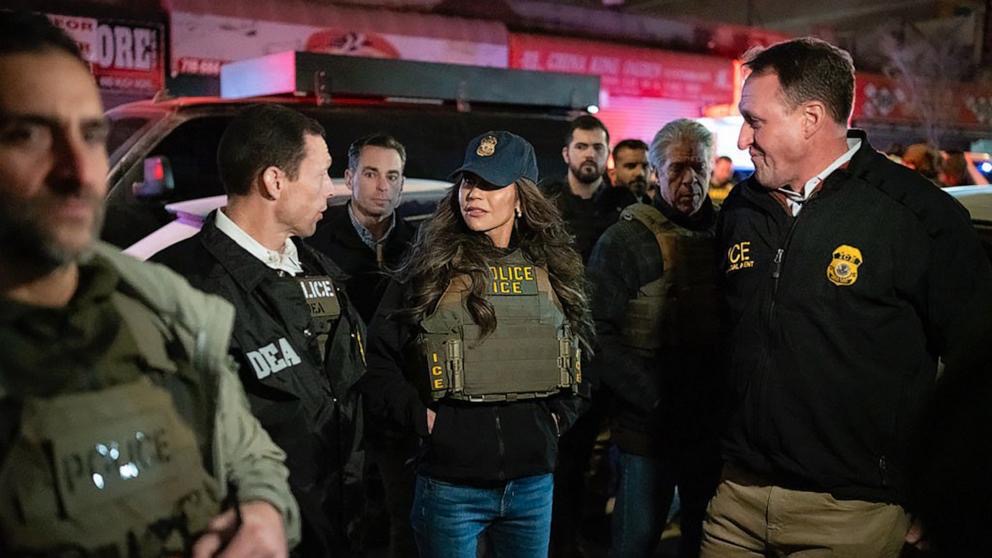
In a swift and controversial move, the Trump administration has suspended the Diversity Immigrant Visa (DV) Program—commonly known as the “green card lottery”—citing national security concerns directly linked to the deadly mass shooting at Brown University. Homeland Security Secretary Kristi Noem announced the pause late on December 18, stating that President Donald Trump had personally directed her to halt the program pending further review.
Secretary Noem emphasized that the suspected shooter, 48-year-old Portuguese national Claudio Manuel Neves Valente, had entered the United States and obtained lawful permanent resident status through the DV program in 2017. “This heinous individual should never have been allowed in our country,” Noem posted on X (formerly Twitter). “At President Trump’s direction, I am immediately directing USCIS to pause the DV1 program to ensure no more Americans are harmed by this disastrous program.”
The Diversity Visa Program, established by Congress in the 1990s, annually allocates up to 50,000 immigrant visas through a random lottery to applicants from countries with historically low rates of immigration to the U.S. Winners undergo background checks and interviews, but critics, including President Trump during his first term, have long argued it lacks sufficient merit-based scrutiny and poses security risks.

Trump previously attempted to restrict or eliminate the program after high-profile incidents involving DV recipients, such as the 2017 New York City truck attack. The current suspension comes amid a broader immigration crackdown in the early days of Trump’s second term.
The Brown University Tragedy and Its Aftermath
The decision follows the shocking mass shooting at Brown University’s Barus and Holley Building on December 13, 2025, during finals week. A lone gunman opened fire in a classroom review session, killing two students and wounding nine others.
The victims killed were identified as Ella Cook, a member of Brown’s College Republicans, and Mukhammad Aziz Umurzokov, an Uzbek-American student. Memorials quickly sprang up on campus as the community grappled with grief.
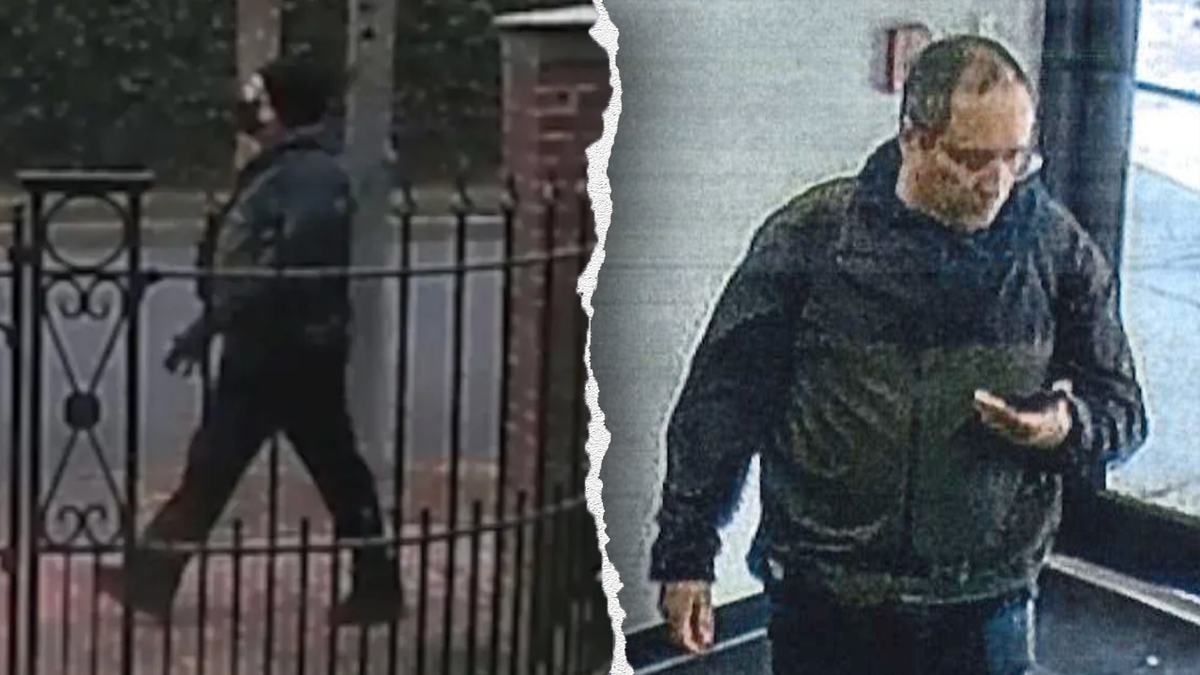
A multi-state manhunt ensued, with authorities linking the attack to the December 16 murder of MIT physics professor Nuno F.G. Loureiro in Brookline, Massachusetts. On December 18, law enforcement located the suspect, Claudio Manuel Neves Valente, dead from a self-inflicted gunshot wound in a New Hampshire storage unit. Investigators confirmed he acted alone and connected both crimes through video evidence, rental car records, and other forensic links.
Neves Valente had a prior connection to Brown: He attended the university as a graduate student in physics from 2000 to 2001 on an F-1 student visa before withdrawing. He and Loureiro had overlapped at the same academic institution in Portugal years earlier. Motive remains unclear, though authorities described personal grievances tied to his brief academic tenure.
Broader Implications and Reactions
The suspension of the DV program has sparked intense debate. Supporters of the administration’s action praise it as a necessary step to prioritize American safety, echoing Trump’s long-standing criticism of “chain migration” and random-selection immigration pathways.
Critics, including immigration advocacy groups, argue the pause oversteps executive authority, as the program is mandated by Congress. Legal challenges are expected, similar to those during Trump’s first term. The move affects tens of millions who apply annually, particularly from underrepresented nations in Africa and Europe.
As the nation mourns the losses at Brown and MIT, this policy shift underscores the Trump administration’s aggressive approach to immigration reform. With the suspect now deceased, investigations continue into any overlooked warning signs, while campuses nationwide reassess security protocols during this holiday season.
