Netflix’s Historic $72 Billion Acquisition of Warner Bros.: Reshaping Hollywood and the Streaming Landscape
In a move that has sent shockwaves through the entertainment industry, Netflix announced on December 5, 2025, its agreement to acquire the studios and stre
In a move that has sent shockwaves through the entertainment industry, Netflix announced on December 5, 2025, its agreement to acquire the studios and streaming division of Warner Bros. Discovery (WBD) in a blockbuster deal valued at $72 billion in equity (with a total enterprise value of approximately $82.7 billion, including debt). This transaction, one of the largest in media history, combines the world’s leading streaming platform with one of Hollywood’s most storied studios, bringing iconic franchises like Harry Potter, DC Comics, and Game of Thrones under Netflix’s umbrella.
The Deal Details: A Partial Acquisition with a Spin-Off
The agreement is structured around WBD’s previously announced plan to separate its assets into two entities. Netflix will acquire the Streaming & Studios division, which includes:
- Warner Bros. film and television studios
- HBO and HBO Max streaming service
- DC Studios and Entertainment
- Warner Bros. Games (including franchises like Mortal Kombat and Hogwarts Legacy)
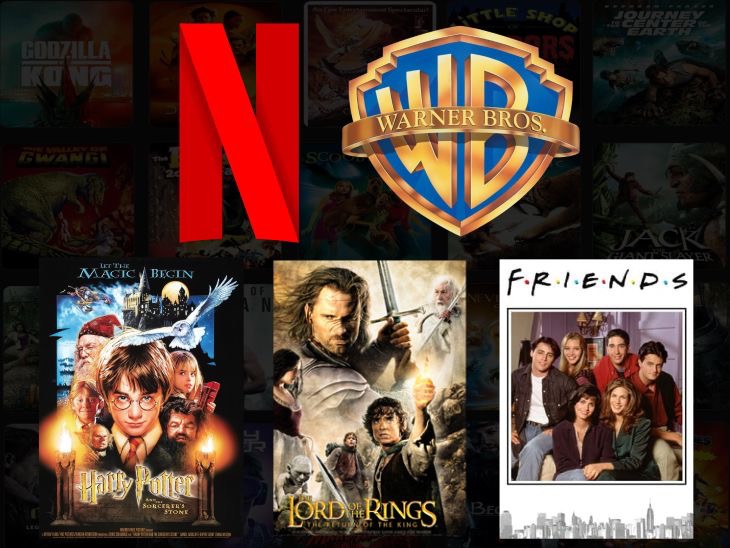
- Vast content library featuring classics like Casablanca, Friends, The Sopranos, and modern hits like Succession
The remaining Global Linear Networks division—encompassing cable channels such as CNN, TNT Sports, Discovery, and HGTV—will be spun off as a new publicly traded company called Discovery Global, expected in Q3 2026.
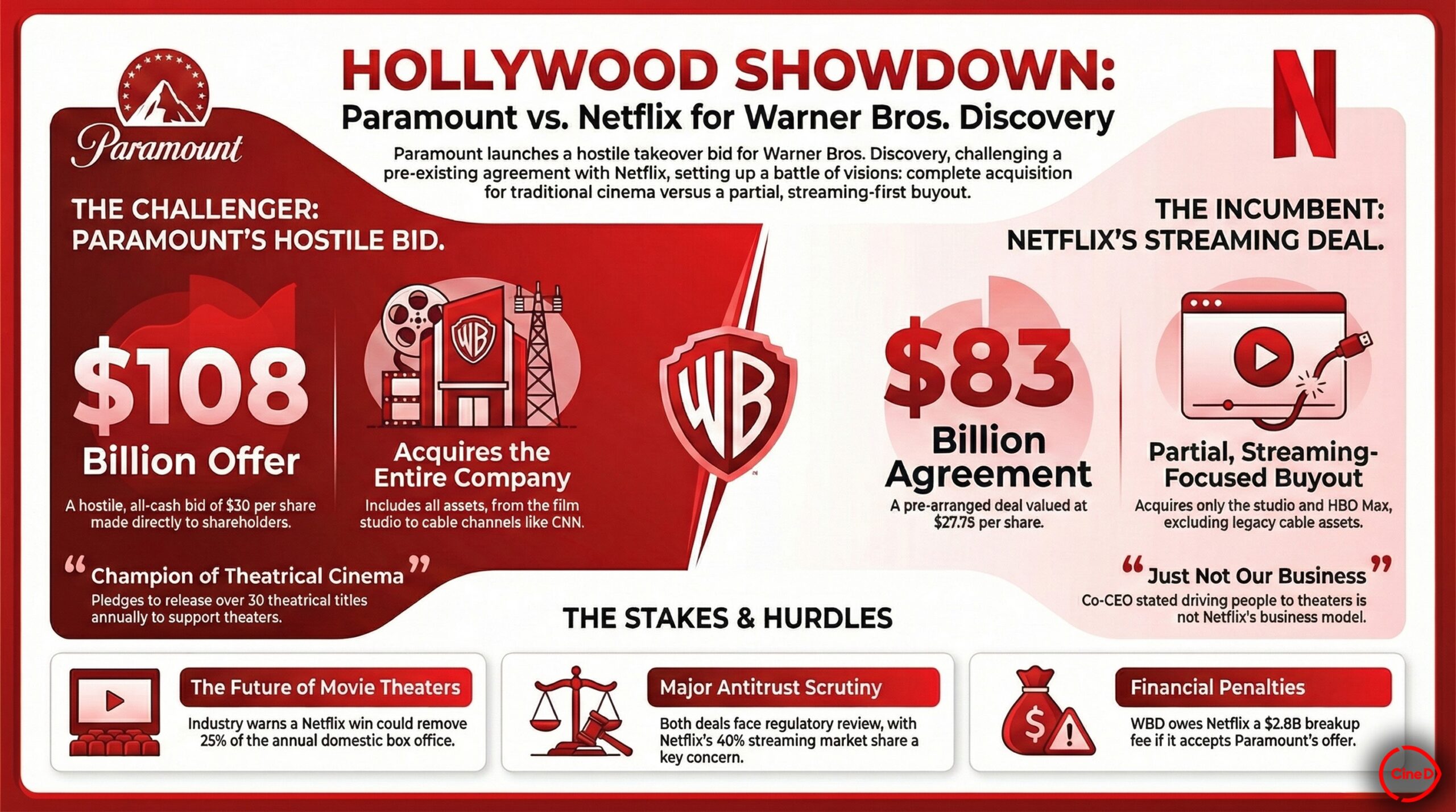
Under the terms, WBD shareholders will receive $23.25 in cash and approximately $4.50 in Netflix stock per share (valued at $27.75 per share total). Netflix has secured committed debt financing of $59 billion and offered a $5.8 billion reverse breakup fee, signaling strong confidence in closing the deal by mid-2026, pending regulatory and shareholder approvals.
Netflix co-CEOs Ted Sarandos and Greg Peters emphasized the strategic fit: “This acquisition brings together Netflix’s global reach and innovation with Warner Bros.’ century-long legacy of storytelling.” WBD CEO David Zaslav echoed this, stating it ensures “the world’s most resonant stories” continue for generations.
How the Deal Came Together: A Fierce Bidding War
The path to this announcement was dramatic. WBD, burdened by debt from its 2022 merger and facing a maturing streaming market, began exploring strategic options in mid-2025. Bidders included Paramount Skydance (fresh off its own merger), Comcast, and initially lesser-known interest from Netflix.
Paramount Skydance emerged as an early frontrunner, pushing for a full acquisition of WBD (including cable assets) with offers around $24–$30 per share. However, WBD favored splitting the company and selling only the premium studios/streaming part.
Netflix entered aggressively in late November, outbidding rivals with a cash-stock offer that provided certainty and a premium valuation. By early December, Netflix won exclusive negotiations, culminating in the December 5 announcement.
Post-announcement twists included a hostile $108.4 billion bid from Paramount for all of WBD, which the board unanimously recommended rejecting, citing risks and inferior terms compared to Netflix’s focused deal.
What Netflix Gains: A Treasure Trove of Content and Capabilities
This acquisition transforms Netflix from a pure-play streamer into a full-fledged Hollywood powerhouse:
- Massive Library Expansion: Adding thousands of titles, including prestige HBO series and blockbuster franchises, to combat subscriber churn.
- Iconic IP: Control over Harry Potter, Batman/Superman (DC), Looney Tunes, and more—prime for reboots, spin-offs, and global merchandising.
- Production Infrastructure: The historic Warner Bros. lot in Burbank, California, with its stages, backlots, and talent relationships.
- Gaming Entry: Warner Bros. Games bolsters Netflix’s push into interactive entertainment.
- Theatrical Commitment: Netflix has pledged to maintain Warner’s theatrical release strategy, addressing fears from exhibitors and creators.

Combined subscriber potential exceeds 420 million globally, solidifying Netflix’s lead in the “streaming wars.
Implications for Consumers, Creators, and the Industry
For Viewers: Expect an enriched Netflix catalog with HBO Max integration (possibly bundled or merged). More crossovers, like DC series alongside Stranger Things. However, potential price increases loom as consolidation reduces competition.
For Hollywood: Concerns over reduced studio diversity and job impacts, with unions like the Writers Guild criticizing further concentration. Yet, Netflix’s track record of creative freedom could benefit talent.
Regulatory Hurdles: Antitrust scrutiny is intense. Netflix argues the deal helps compete with YouTube (13% U.S. view share) and tech giants, projecting only a modest bump to 9% share post-merger. Experts are skeptical, predicting tough reviews from U.S. and European regulators under the Trump administration’s potentially more lenient stance.
Broader Industry Shift: This caps a year of consolidation (e.g., Skydance-Paramount), signaling the end of the fragmented streaming era. Remaining players like Disney, Amazon, and a potential Paramount-Comcast alliance must adapt.
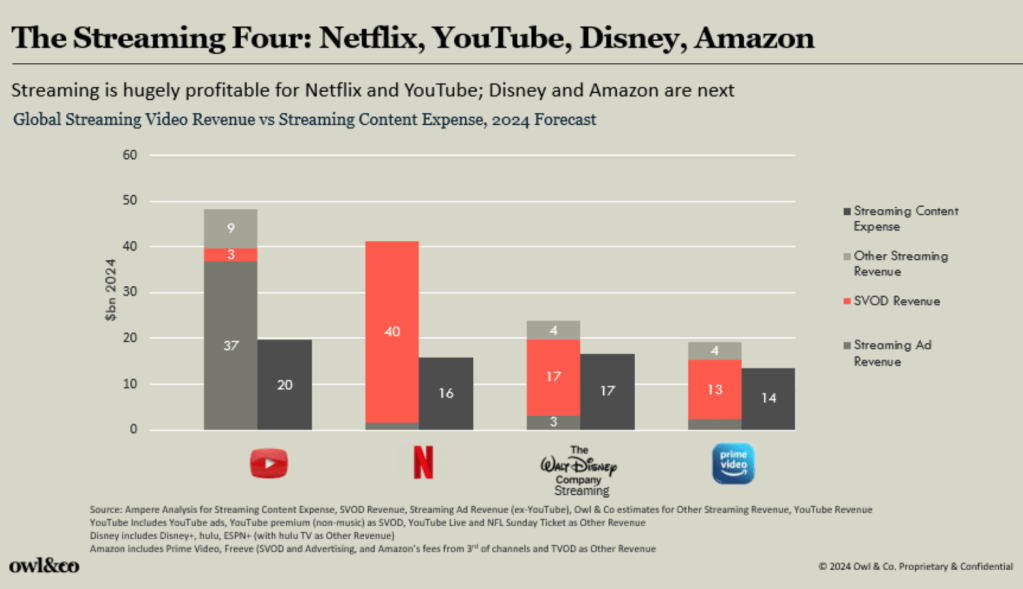
As of December 19, 2025, the deal remains on track amid ongoing bids and debates. If completed, it heralds a new chapter where streaming giants own Hollywood’s legacy—promising more content than ever, but at the cost of increased dominance by a few tech-entertainment titans.
This merger isn’t just a business transaction; it’s a pivotal moment redefining how stories are told, distributed, and consumed worldwide.