Touadéra’s Landslide Victory: Central African Republic President Secures Third Term Amid Controversy and Celebration
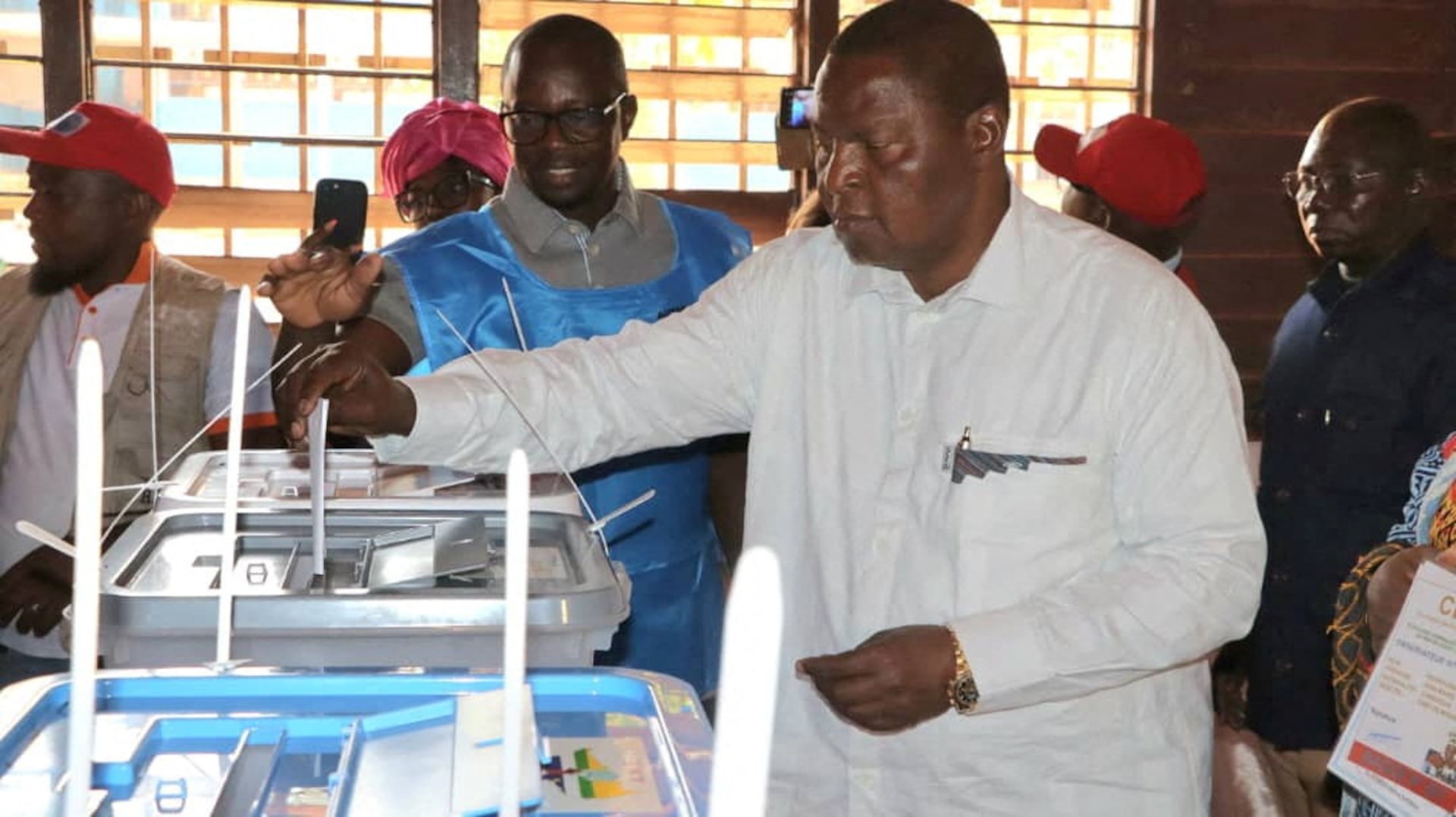
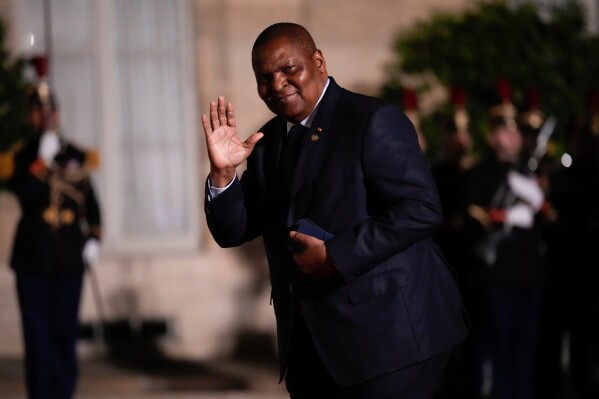
On January 6, 2026, the National Elections Authority (ANE) of the Central African Republic (CAR) confirmed what many had anticipated: incumbent President Faustin-Archange Touadéra has been re-elected for a third term with a commanding 76.15% of the vote in the December 28, 2025, presidential election. The provisional results, announced late on January 5, mark a decisive outright majority, avoiding a runoff and extending Touadéra’s rule into a second decade in one of Africa’s most fragile states.
Touadéra, the 68-year-old former mathematician and leader of the United Hearts Movement (MCU), faced six challengers but benefited from a fragmented opposition landscape. His closest rival, former Prime Minister Anicet-Georges Dologuélé, garnered 14.66%, while another ex-prime minister, Henri-Marie Dondra, received just 3.19%. Voter turnout stood at 52.42% among the 2.4 million registered electors, a figure reflecting both engagement and the lingering challenges of insecurity in remote areas.
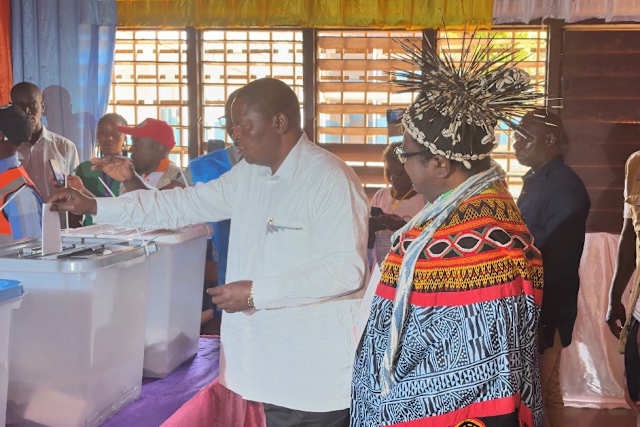
The election was historic as the first time CAR held simultaneous presidential, legislative, regional, and municipal votes. Polling day on December 28 passed relatively peacefully compared to the violence-marred 2020 contest, where rebels disrupted voting in many areas. This time, improved security—credited to government forces and allies—allowed broader participation.
A Controversial Path to a Third Term
Touadéra’s candidacy for a third term was enabled by a 2023 constitutional referendum that abolished presidential term limits and extended terms from five to seven years. Critics, including the main opposition coalition—the Republican Bloc for the Defense of the Constitution (BRDC)—denounced the changes as a power grab and boycotted the election, labeling the process unfair and unequal.
Opposition figures have fiercely contested the results. Dologuélé, a perennial challenger, declared himself the winner on January 2, alleging widespread fraud and manipulation by the ANE. Both he and Dondra have cited irregularities, including incomplete voter rolls and malpractice in conflict zones. Touadéra’s government has firmly denied these claims, insisting the vote was transparent.
Analysts note that Touadéra has consolidated control over state institutions, giving him significant advantages in resources and visibility. The boycott by major opposition groups further tilted the field, allowing independent candidates like Dologuélé and Dondra to compete but without unified support.
Celebrations in Bangui and International Reactions
In the capital Bangui, streets filled with jubilant supporters waving flags and honking horns following the announcement. Touadéra addressed the nation, thanking voters and pledging continued efforts toward peace and reconstruction. “The Central African people have renewed their trust in me,” he said. “I will work with all who wish to build our country.
Internationally, reactions have been measured. The African Union praised the relatively calm conduct of the poll while urging calm amid disputes. Russia, a key ally providing security support through private contractors (formerly Wagner, now transitioning to the African Corps), is seen as a beneficiary of Touadéra’s continued leadership, with ties exchanging protection for resource access like gold and diamonds. Western partners have expressed concerns over democratic backsliding.
The Constitutional Court has until January 20 to review challenges and confirm final results. If upheld, Touadéra’s new seven-year term will begin amid ongoing efforts to stabilize CAR, which has grappled with civil conflict since 2013.
Looking Ahead: Challenges and Opportunities
Touadéra’s decade in power has seen notable progress: reclaiming territory from rebels, signing peace accords in 2025, and relative stability allowing these elections. Yet, CAR remains one of the world’s poorest nations, with persistent humanitarian needs, insecurity in rural areas, and reliance on foreign security.
Supporters credit him with restoring state authority and fostering openness to diverse partnerships. Critics warn of authoritarian drift and question the legitimacy of extended rule.
As provisional results solidify into what appears an inevitable third term, the Central African Republic stands at a crossroads—poised for continued reconstruction under familiar leadership, but with lingering questions over inclusivity and democratic health.
By: Juba Global News Network | Jubaglobal.com