

Brutal Repression of Opposition Supporters Ahead of Uganda’s January 15, 2026 Elections
By: Juba Global News Network | JubaGlobal.com January 6, 2026 As Uganda hurtles toward its general elections on January 15, 2026, a dark cloud of repressio
By: Juba Global News Network | JubaGlobal.com
January 6, 2026
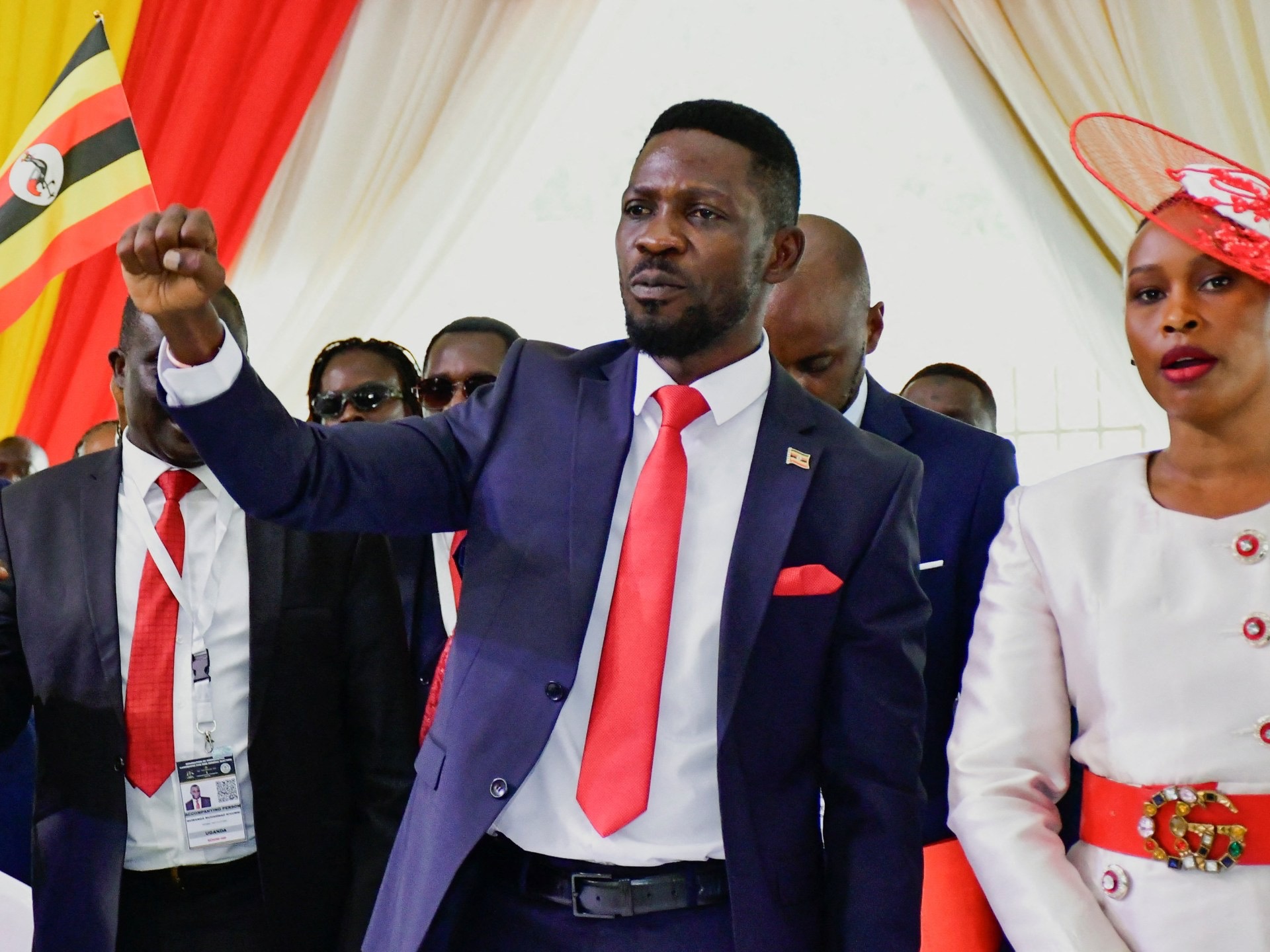
As Uganda hurtles toward its general elections on January 15, 2026, a dark cloud of repression hangs over the political landscape. Incumbent President Yoweri Museveni, who has ruled the East African nation since 1986, is seeking a seventh term in office. His main challenger, Robert Kyagulanyi—better known as Bobi Wine, the pop star-turned-politician leading the National Unity Platform (NUP)—faces an uphill battle amid what human rights organizations describe as a systematic and brutal campaign to silence opposition voices.
Amnesty International, in a damning report released on January 4, 2026, accused Ugandan security forces of launching a “brutal campaign of repression” against opposition supporters. The organization documented widespread use of excessive force, arbitrary arrests, and even torture during NUP rallies. “The authorities have launched a brutal campaign of repression against the opposition and its supporters, making it extremely difficult for them to exercise their rights to freedom of association and peaceful assembly,” said Tigere Chagutah, Amnesty’s Regional Director for East and Southern Africa.
Patterns of Violence and Intimidation
The repression has been particularly intense since the official campaign period began in late 2025. Security forces—including police and military personnel—have repeatedly disrupted NUP events with tear gas, pepper spray, beatings, and live ammunition. Key incidents highlighted by Amnesty and other observers include:
- November 24, 2025, in Kawempe (Kampala suburb): As Bobi Wine arrived to address supporters, police fired tear gas and pepper spray into peaceful crowds, causing a stampede that injured dozens. Witnesses reported officers using rifle butts to force people into vehicles, batons to beat attendees, and even police dogs for intimidation.
- November 28, 2025, in Iganga (eastern Uganda): Security forces allegedly used live rounds to disperse a rally, resulting in at least one death and multiple injuries. One NUP supporter was killed during the chaos.
- December 6, 2025, in Gulu (northern Uganda): Bobi Wine and several aides were attacked and beaten by security personnel while campaigning. Wine described the incident as part of a broader pattern, likening his campaign trail to a “war zone.”
Over 400 opposition supporters have been arrested nationwide since campaigning intensified, many on charges such as malicious damage to property, obstruction, incitement to violence, and assaulting police—charges that Amnesty says appear fabricated in many cases. Hundreds remain in detention, often without access to lawyers or family.
Bobi Wine himself has faced direct threats and assaults. In December 2025, he reported being struck in the face with a cane during a confrontation in the north. He frequently campaigns wearing a flak jacket and helmet for protection against potential gunfire—a stark symbol of the dangers facing opposition figures.
A Longstanding Pattern Under Museveni’s Rule
This wave of repression is not new. Museveni, now 81, has maintained power through a combination of constitutional amendments removing term and age limits, co-opting rivals, and cracking down on dissent. Elections under his watch—particularly in 2011, 2016, and 2021—have been marred by violence, arbitrary arrests, and allegations of rigging.
In 2021, security forces killed dozens during protests following Bobi Wine’s house arrest after disputed results. The 2026 cycle echoes this, with added brazenness. Museveni’s son, Muhoozi Kainerugaba—Chief of Defence Forces and widely seen as being groomed for succession—publicly boasted in May 2025 of torturing one of Wine’s bodyguards after an abduction.
President Museveni has defended the crackdowns, recommending in a New Year’s Eve address that security forces use “more tear gas” against what he called the “criminal opposition.” Police often justify interventions by claiming opposition supporters initiated violence, such as stoning vehicles—a narrative contradicted by eyewitnesses who describe peaceful gatherings waving national flags.
Broader Crackdown and International Concern
The repression extends beyond rallies. Opposition figures like veteran politician Kizza Besigye remain jailed on treason charges since his controversial abduction from Kenya in late 2024. Media freedom is curtailed, with bans on live broadcasts of “riots” or “unlawful processions” announced in early January 2026.
The UN Human Rights Chief, Volker Türk, condemned the “intensifying crackdown” in December 2025, noting arbitrary arrests of over 550 NUP supporters and the use of whips, batons, and chemical irritants. The U.S.-based Holocaust Memorial Museum has warned of potential “mass atrocities” around the polls.
Despite these alarms, the Electoral Commission has condemned some violence but insists candidates can campaign freely—a claim undermined by roadblocks, movement restrictions, and rally disruptions targeting the opposition.
Youthful Challenge Meets Entrenched Power
At the heart of this tension is a generational clash. Uganda’s population is among the world’s youngest, with a median age under 16. Many young voters, frustrated by unemployment, corruption, and stagnation, see Bobi Wine—43 and a former ghetto youth—as a symbol of change. Museveni, in contrast, campaigns on stability and economic gains, promising to elevate Uganda to middle-income status.
Yet, with security forces heavily deployed at opposition events and fears of an internet shutdown (as in 2021), critics argue the playing field is far from level. The NUP has launched an offline vote-monitoring app in anticipation of blackouts.
Looking Ahead: Risks of Escalation
As polling day approaches, the stakes are high. Observers fear the repression could escalate into widespread violence, undermining the credibility of the results. Amnesty has called for impartial investigations, the release of arbitrarily detained supporters, and an end to excessive force.
“The Ugandan authorities must uphold their human rights obligations and allow the opposition to campaign without undue restrictions,” Chagutah urged.
For millions of Ugandans, the January 15 vote represents not just a choice of leaders, but a test of whether democracy can survive four decades of one-man rule. In a nation craving change, the regime’s iron grip raises profound questions about the future of political freedom.
Juba Global News Network remains committed to monitoring developments in the region, providing balanced coverage amid fast-moving events. Sources include Amnesty International reports, UN statements, and verified accounts from local and international media.
