

The Trump Administration Launches a Bold “Product of USA” Label Reserved Exclusively for Meat, Poultry, and Egg Products Born, Raised, Harvested, and Processed Right Here in the USA
A Standard for American Made 🥩🥚 By: Juba Global News Network | JubaGlobal.com March 24, 2026 — On National Agriculture Day, the United States Department of
A Standard for American Made 🥩🥚
By: Juba Global News Network | JubaGlobal.com
March 24, 2026 — On National Agriculture Day, the United States Department of Agriculture (USDA), under the Trump Administration, rolled out a national public awareness campaign celebrating a strengthened voluntary “Product of USA” labeling standard that officially took effect on January 1, 2026. This initiative marks a significant victory for American farmers, ranchers, and consumers who have long demanded greater transparency and fairness in the food supply chain.
For years, the label “Product of USA” appeared on packages of steak, chicken, bacon, and eggs in grocery stores across the country. Many shoppers assumed it meant the food was entirely American—from the birth of the animal on U.S. soil to its processing in a domestic facility. In reality, a longstanding loophole allowed imported livestock or meat to carry the claim after only minimal processing, such as slicing, packaging, or repackaging in the United States. That practice frustrated domestic producers and confused buyers who wanted to support American agriculture with their hard-earned dollars.
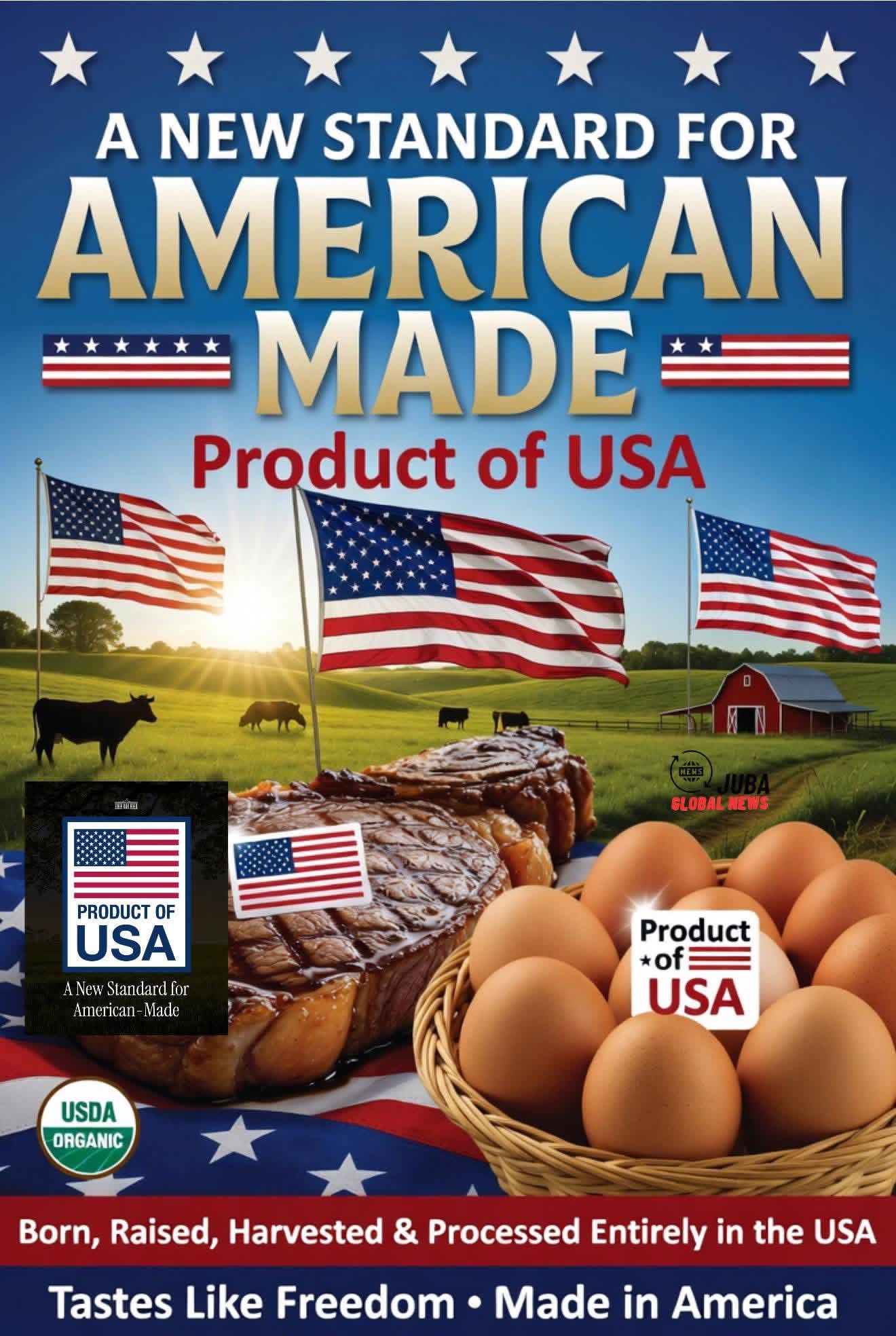
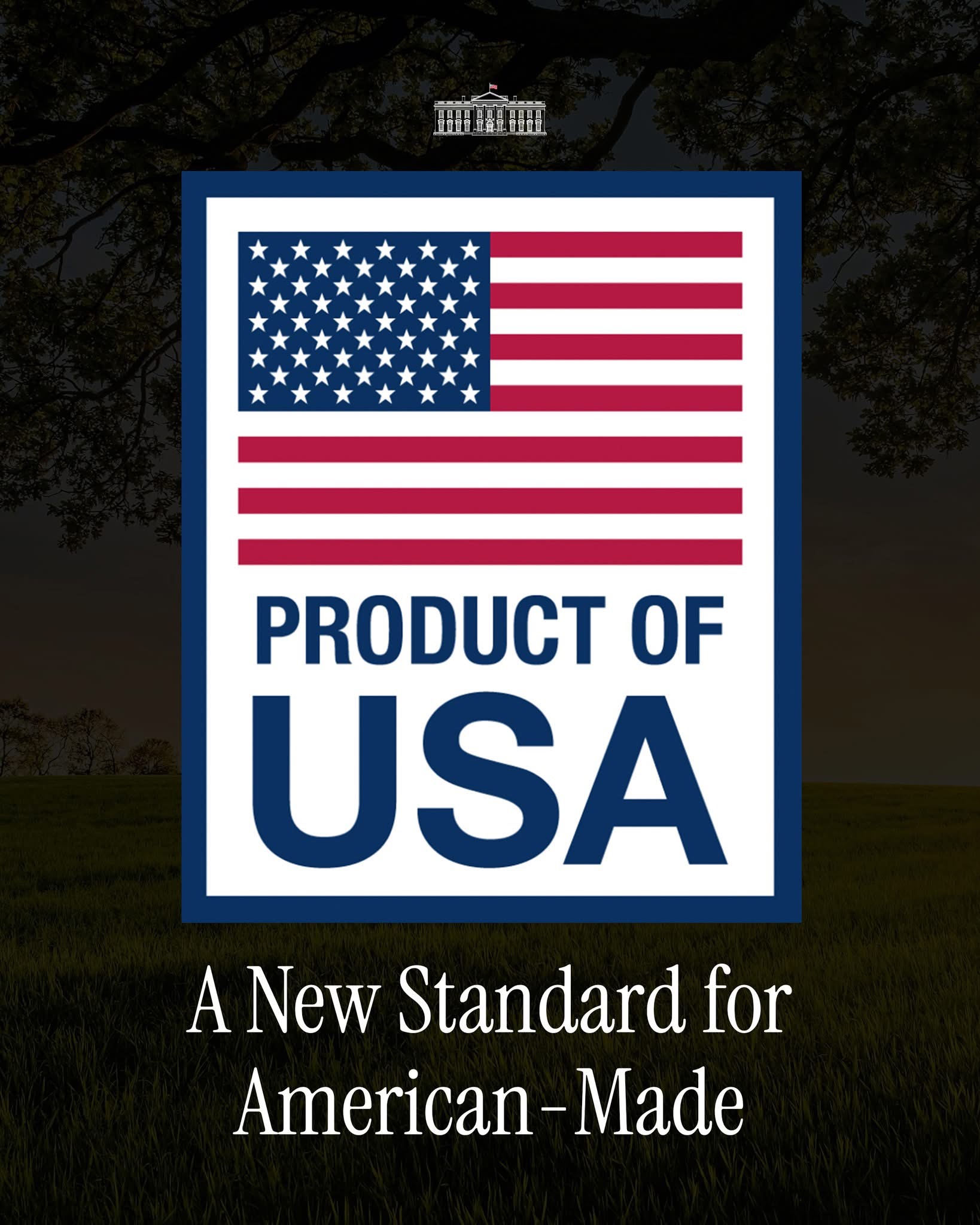
The new standard changes that. Under the updated USDA rule, the “Product of USA” or “Made in the USA” label is now reserved exclusively for meat, poultry, and egg products derived from animals that were born, raised, harvested (slaughtered), and processed entirely within the United States. No imported livestock qualifies. For multi-ingredient products, all FSIS-regulated components (except spices and flavorings) must also originate domestically, with all preparation and processing occurring in the U.S.
Why This Matters: Closing the Loophole and Restoring Trust
The reform stems from a final rule finalized by the USDA’s Food Safety and Inspection Service (FSIS) in March 2024, following petitions from industry groups, consumer advocates, and findings from a 2022 nationwide consumer perception study. That study revealed widespread misunderstanding: most Americans believed “Product of USA” meant the entire production process happened here. The previous flexible interpretation—allowing foreign-born animals fed and processed in the U.S. to claim the label—undermined that expectation.
U.S. Secretary of Agriculture Brooke L. Rollins put it plainly during today’s announcement: “Our great patriot ranchers and producers grow, raise, and harvest the world’s safest, most affordable, and abundant food supply. American consumers want to support America by buying American and this label will strengthen our food supply chain through transparency, fairness, and trust. This new standard policy ensures producers who invest in a fully American supply chain can compete fairly, and it gives consumers the confidence they deserve about the food they bring home.”
The campaign, promoted across USDA channels and at productofusa.gov, educates producers on eligibility and encourages widespread voluntary adoption. It aligns with broader Trump Administration priorities: bolstering rural economies, reducing regulatory burdens where possible while enforcing truth-in-labeling, and countering years of consolidation and foreign competition that have strained family farms.
The Old vs. New Standard: A Clear Comparison
- Pre-2026 (Old Practice): Imported cattle, for example, could be shipped to the U.S., fed briefly, slaughtered, and processed here—and still labeled “Product of USA.” Minimal steps like grinding or packaging qualified the product. This created an uneven playing field, where multinational packers could source cheaper foreign animals while marketing them as American.
- 2026 and Beyond (New Standard): Full domestic lifecycle required. Animals must originate in the U.S., be raised on American farms or ranches, harvested domestically, and processed under USDA inspection here. Documentation—traceability records, segregation protocols, birth-to-slaughter affidavits—must be maintained and available for review, often within 24 hours of a request. Labels are generically approved (no pre-approval needed), but compliance is mandatory for anyone using the claim.
Qualified claims remain allowed for partial U.S. involvement, such as “Sliced and Packaged in the United States from Imported Pork,” providing factual transparency without misleading consumers. U.S. flags or state-specific claims (e.g., “Product of Texas”) follow the same strict criteria.
Benefits for Ranchers, Farmers, and Rural America
American agriculture faces real challenges: the U.S. has lost over 17% of family farms since 2017—more than 100,000 operations in the past decade. The national cattle herd sits at a 75-year low, even as consumer demand for beef has risen 9% over the same period. Large packers dominate, and imported meat has sometimes flooded the market under ambiguous labeling.
The new label rewards those who invest in fully domestic supply chains. Ranchers who breed, raise, and finish cattle on U.S. land can now differentiate their product clearly. This levels the playing field, potentially commanding premium prices for verifiable American-raised protein and supporting jobs from feedlots to processing plants in rural communities.
Secretary Rollins has tied this effort to the USDA’s Plan to Fortify the American Beef Industry, emphasizing rebuilding capacity, enhancing transparency, and ensuring fair competition. Other Trump Administration officials echoed the sentiment:
- SBA Administrator Loeffler: “When we choose to purchase from American producers, we get a superior product while supporting the hardworking family farms who put it all on the line every day… Made in America is finally making a comeback.”
- HHS Secretary Kennedy: “‘Product of the USA’ labeling puts American producers first, gives families clear, honest information, and empowers them to choose food raised right here at home.”
- EPA Administrator Zeldin: “The ‘Product of the USA’ label rewards American farmers and ranchers… Together with USDA, the Trump Administration is streamlining processes and delivering solutions that strengthen agricultural productivity, rural prosperity, and the health of our environment.”
- Senator John Hoeven of North Dakota added: “U.S. producers are the best in the world… A ‘Product of USA’ label benefits our ranchers and provides transparency and confidence for consumers.”
What This Means for Consumers
Shoppers at the meat counter or in the egg aisle now have a clearer signal. When you see the “Product of USA” label on a steak, chicken breast, ground beef, or carton of eggs, you can trust it represents a complete American journey—from pasture to plate. The USDA oversees compliance, and the voluntary nature means producers who meet the bar can proudly display it, while others use more specific qualified claims.
This doesn’t ban imports or foreign meat; those products can still be sold legally in the U.S. They simply cannot claim “Product of USA” unless they fully qualify. The result? Greater honesty in marketing, empowered consumer choice, and stronger incentives for domestic production of the safest, highest-quality protein in the world.
Looking Ahead: A Stronger, More Resilient Food System
The Trump Administration’s push—building on the 2024 rule with aggressive promotion and enforcement—signals a commitment to “America First” in agriculture. It addresses long-standing grievances from ranchers who felt undercut by loopholes favoring global supply chains over local ones. While some in the industry (particularly large packers reliant on imported live animals) may face adjustments, the broader consensus among producers and consumer advocates is that truth in labeling ultimately benefits everyone.
Producers interested in using the label should visit productofusa.gov for guidance, downloadable artwork, and a simple three-step process: confirm eligibility, maintain robust documentation, and apply the claim confidently.
In an era of global supply chain vulnerabilities, food security starts at home. The new “Product of USA” standard doesn’t just tweak a label—it reasserts a proud American tradition: raising, harvesting, and enjoying the fruits (and steaks, and eggs) of our own land with integrity and excellence.
As Secretary Rollins and the Trump team emphasize, this is about more than packaging. It’s about rewarding the patriots who feed the nation, giving families confidence at the dinner table, and building a stronger, more self-reliant agricultural backbone for the United States.
🥩🥚 Tastes Like Freedom. Made in America.
For more details, official guidance, and to learn how producers can participate, visit productofusa.gov or contact your local USDA office.
