

Bobi Wine in Washington: Lobbying for Uganda’s Democracy in Trump’s America Amid Viral Rumors of an Oval Office Summit
In the swirling world of Ugandan opposition politics and global diplomacy, few figures generate as much excitement—or misinformation—as Robert Kyagulanyi S
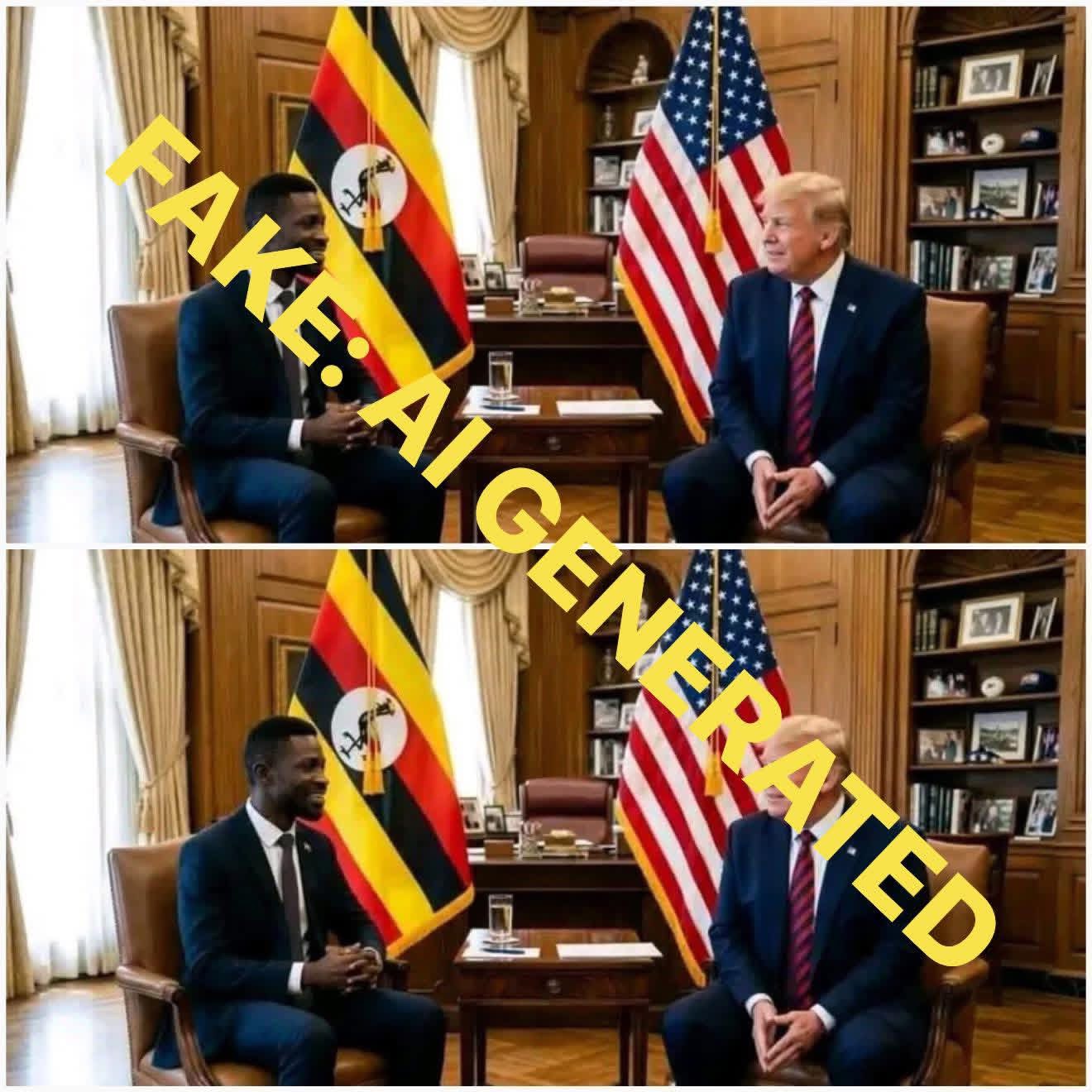
In the swirling world of Ugandan opposition politics and global diplomacy, few figures generate as much excitement—or misinformation—as Robert Kyagulanyi Ssentamu, better known as Bobi Wine. The musician-turned-politician, leader of the National Unity Platform (NUP), has once again captured international headlines. This time, it is from the corridors of Washington, D.C., where he has resurfaced after weeks in hiding following Uganda’s disputed January 2026 presidential election. Social media has erupted with claims of a high-profile meeting between Bobi Wine and U.S. President Donald Trump, complete with AI-generated images of the pair shaking hands at the White House and fabricated videos of Trump endorsing him. Yet, a close examination of verified reports reveals no such encounter has taken place. Instead, Bobi Wine’s visit centers on strategic lobbying on Capitol Hill, aimed at pressuring the Trump administration and Congress to reconsider U.S. support for President Yoweri Museveni’s long-ruling government.3440
This article delves deeply into the reality behind the hype: Bobi Wine’s background, the contentious 2026 election, his daring escape, his current diplomatic push, the flood of fake news, and what it all means for Uganda’s fragile democracy and U.S.-Uganda relations in the second Trump era.
From “Ghetto President” to Global Opposition Icon
Bobi Wine’s journey is the stuff of modern African political legend. Born in 1982 in Kampala’s Kamwokya slum, he rose to fame in the 2000s as a reggae and dancehall artist whose lyrics railed against poverty, corruption, and police brutality. Songs like “Ghetto” and “Kiboko” earned him the nickname “Ghetto President,” resonating with Uganda’s youth. By the 2010s, he transitioned to activism, founding the People Power movement in 2017 as a grassroots call for change.
His formal entry into politics came in 2017 when he won a parliamentary by-election in Kyadondo East. As an independent MP (later aligning with NUP), he became a vocal critic of Museveni, who has held power since 1986. Bobi Wine’s charisma, social media savvy, and willingness to face arrests and beatings catapulted him into the national spotlight. In the 2021 presidential election, he challenged Museveni directly, galvanizing urban youth and the diaspora despite widespread reports of voter intimidation, internet blackouts, and arrests. Official results gave Museveni 58.6% to Bobi Wine’s 35.6%, but the opposition cried foul.
Fast-forward to 2026: Bobi Wine ran again under the NUP banner, promising “A New Uganda Now”—a manifesto focused on jobs, anti-corruption, healthcare, education, and ending land grabs. The January 15 election once more declared Museveni the winner amid accusations of manipulation, including the absence of mandatory Declaration of Results forms. Bobi Wine rejected the outcome, refusing to pursue legal challenges in a judiciary he deemed compromised. Instead, he called for peaceful protests under the “People Power—Our Power” slogan.46
The Election Fallout: Hiding, Raids, and a Daring Exit
The days after January 15 proved perilous. Bobi Wine described how, on January 16, military forces raided his Magere residence, forcing him into hiding for over two months. “A day later, gripped by shame and fear, the military invaded my home to harm me, but I was able to evade them and go into hiding,” he later recounted. Security operations intensified: roadblocks, vehicle searches, raids on allies’ homes, arrests of campaign aides, and even dismissals of sympathetic police officers. His wife, Barbie Kyagulanyi, and family fled to the U.S. after their home was targeted. A siege around his property persisted, which authorities framed as routine security rather than a manhunt.47
During this period, Bobi Wine operated underground, addressing the Geneva Summit for Human Rights and Democracy virtually in February 2026 and briefing EU officials on electoral fraud and abuses. He appointed Lina Zedriga Waru as acting NUP president to maintain party operations. By mid-March, he quietly slipped out of Uganda for what he called a “brief exit” to engage the diaspora and international allies before returning to continue the domestic struggle.
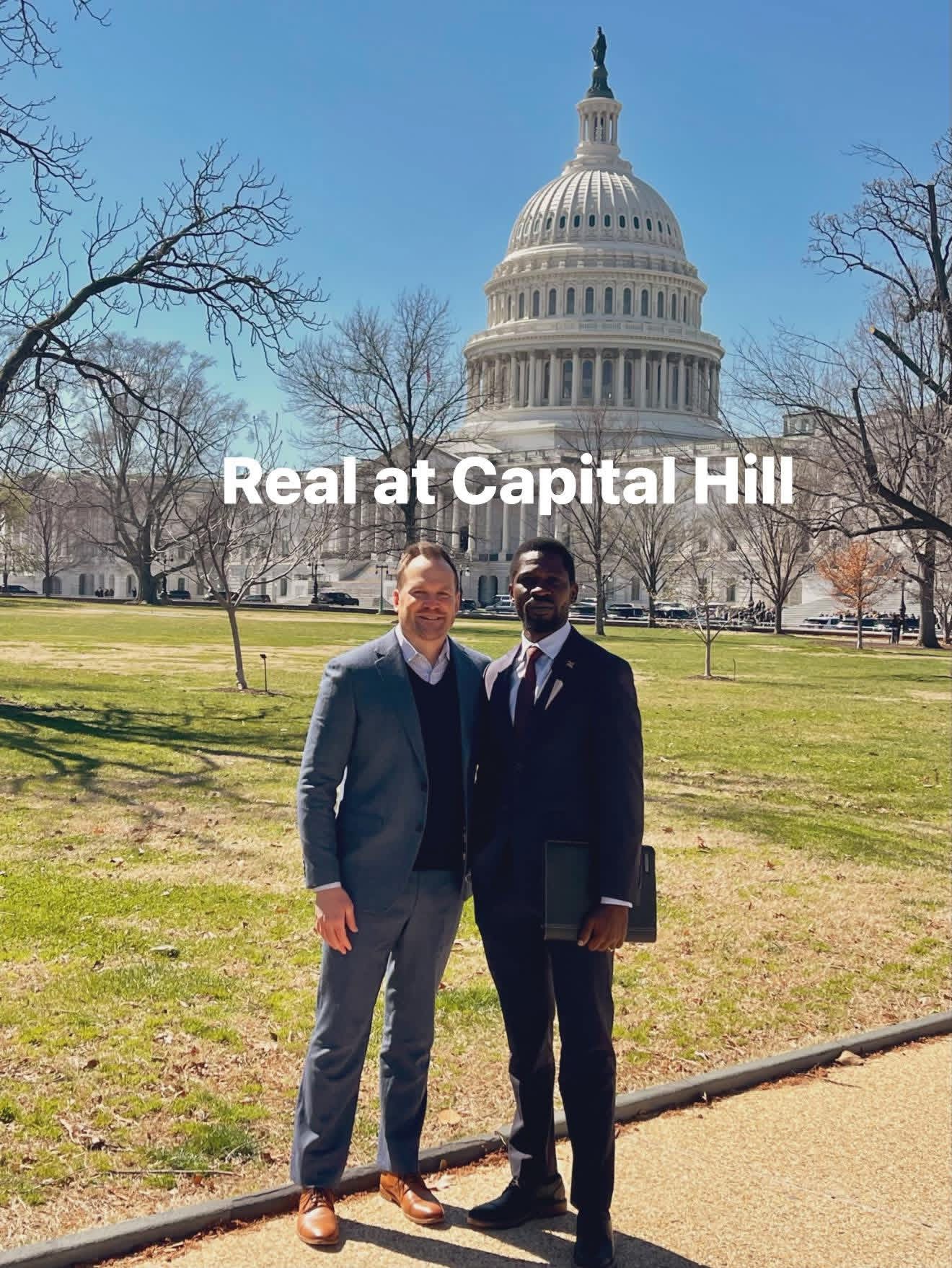
His reappearance came on March 18, 2026, via an X post accompanied by a photo of him in a suit and tie, black folder in hand, standing proudly before the U.S. Capitol dome: “Started my international engagements today with meetings on Capitol Hill, in Washington DC. #FreeUgandaNow.” This marked the launch of a lobbying blitz aimed at shining a global spotlight on Uganda’s post-election crisis.39
Reality in Washington: Capitol Hill, Not the White House
Contrary to the viral frenzy, Bobi Wine’s documented activities involve bipartisan meetings with U.S. lawmakers on Capitol Hill, not a rendezvous with President Trump. Reports confirm engagements with members of the House Foreign Affairs Committee and other legislative figures from both Democratic and Republican sides. The focus: a “comprehensive review” of U.S.-Uganda relations, electoral integrity, human rights, and potentially U.S. military aid to Uganda’s army—echoing petitions Bobi Wine made during Trump’s first term in 2018, when he met Congressman Brad Sherman to urge cuts in funding over alleged abuses.2
In a video message, Bobi Wine emphasized: “Over the next few weeks, I will engage with our friends and allies all over the world before returning to Uganda to continue the push for freedom and democracy.” His goals appear clear—pressuring Washington to withhold support from Museveni’s regime, highlight alleged post-election crackdowns, and amplify calls for democratic reforms. No official White House invitation or Trump meeting has been announced, confirmed, or even hinted at by credible sources, including the NUP secretary-general David Lewis Rubongoya.46
The Storm of Rumors and Fake News
The absence of a Trump summit has not stopped the rumor mill. Social media platforms, particularly in Ugandan diaspora circles and on TikTok, Facebook, and YouTube, have been flooded with sensational claims: “Bobi Wine meets Trump at the White House,” “Trump invites the new Uganda president to the Oval Office,” and even doctored clips of Trump declaring Bobi Wine “his friend” who will win future elections. One viral image purportedly showing Bobi Wine disembarking a plane greeted by Trump was debunked as AI-generated, scoring 99.7% likelihood of digital fabrication. Fact-checking outlets like PesaCheck and Alternative Uganda traced similar “invitation” posts to manipulated screenshots and denied them outright after direct confirmation from NUP leaders and the U.S. Embassy.53
Ugandan opposition supporters have shared videos hyping “panic in State House” and “Trump meeting schedules,” often laced with calls for Museveni to step down. These echo earlier disinformation patterns seen in 2021. Government-aligned voices, meanwhile, mock the claims as desperate “back-door” power grabs.
Why the frenzy? Bobi Wine’s visit coincides with Trump’s return to the presidency, raising hopes among critics that a more transactional “America First” approach might sideline Museveni if Uganda’s strategic value (counterterrorism, regional stability) wanes. Museveni’s regime has long benefited from U.S. aid, including military training and equipment. Bobi Wine’s explicit ask in recent interviews—stop “propping up” the “tormentor”—fuels speculation that he is courting Trump personally. Yet, as of March 22, 2026, no evidence supports a direct meeting.
Museveni’s Government Fires Back
Ugandan officials have downplayed the entire affair. Minister of State for Foreign Affairs Henry Oryem Okello dismissed the lobbying as “politically inconsequential,” arguing Western citizens do not vote in Ugandan elections and that no foreign government has formally contested the results. “He is trying to gain power through the back door,” Okello said. Prime Minister Robinah Nabbanja urged Bobi Wine to “return home and abandon comedy,” while Chris Baryomunsi insisted there are no plans to arrest him upon return. Security around his residence is portrayed as protective, not punitive.46
The regime maintains the 2026 election was free and fair, pointing to Museveni’s decades-long grip on power as proof of popular support—despite international observers noting irregularities.
Broader Implications: U.S. Policy, African Democracy, and Bobi Wine’s Future
Bobi Wine’s Washington push arrives at a pivotal moment for U.S. Africa policy. Trump’s first term saw a mix of engagement and skepticism toward long-serving leaders; his second could prioritize deals over democracy promotion. Will Congress act on petitions to review aid? Could sanctions or diplomatic pressure follow? Bobi Wine’s strategy—leveraging diaspora networks and Capitol Hill allies—tests whether grassroots African opposition can influence superpower policy.
For Uganda, the stakes are existential. At 82, Museveni shows no sign of retiring, and the NUP’s “People Power” remains a potent youth force. Bobi Wine’s temporary exile allows him breathing room to build global alliances, but his promised return signals he will not abandon the fight. As he told supporters: the struggle is not about one man but reclaiming Uganda’s 1962 independence dream.
Critics argue his international focus risks alienating domestic bases; supporters see it as essential survival amid repression. Either way, the viral Trump rumors—while false—underscore a deeper truth: millions of Ugandans and diaspora voices are watching, hoping external pressure accelerates change.
As Bobi Wine continues his engagements in the coming weeks, the world waits to see if his lobbying yields tangible shifts—or if the rumors of a Trump meeting remain just another chapter in the misinformation wars surrounding one of Africa’s most electrifying leaders. For now, the real story is one of quiet diplomacy on Capitol Hill, not Oval Office photo-ops. The “Ghetto President” is playing a long game for freedom, one meeting at a time.
