

Israeli Strikes Kill at Least 10 in Lebanon, Including Senior Hezbollah Official: Escalation Tests Fragile Ceasefire Amid Regional Tensions
On February 20, 2026, Israeli airstrikes in eastern Lebanon’s Bekaa Valley killed at least 10 people and wounded dozens more, including a prominent senior
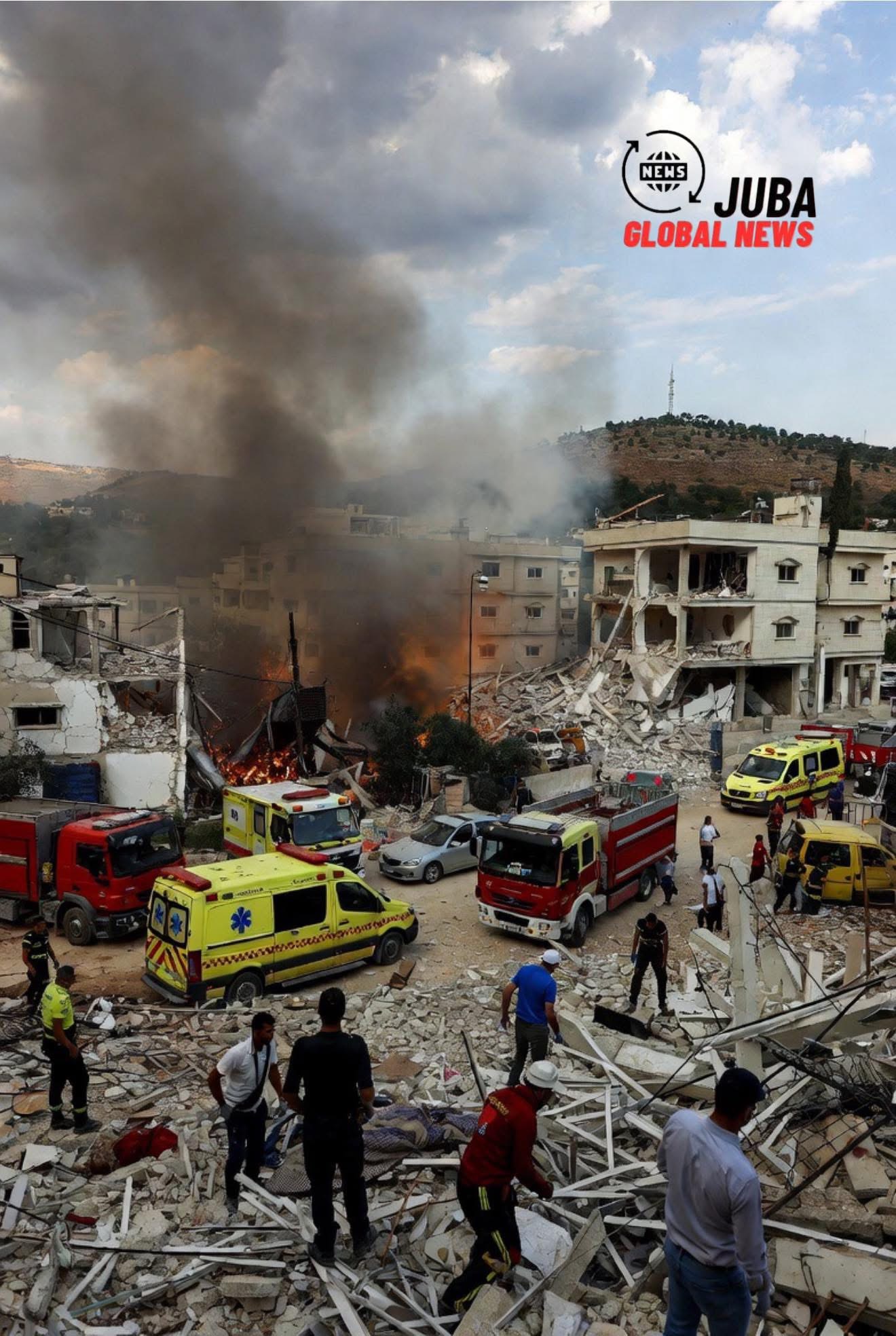
On February 20, 2026, Israeli airstrikes in eastern Lebanon’s Bekaa Valley killed at least 10 people and wounded dozens more, including a prominent senior Hezbollah commander, in one of the deadliest incidents since the U.S.-brokered ceasefire between Israel and the Iran-backed militant group took effect in November 2024. The attacks, which targeted what Israel described as Hezbollah “command centres” in the Baalbek area, have heightened fears of a broader escalation in the long-simmering conflict, coming at a time when the Middle East is already on edge due to U.S.-Iran nuclear brinkmanship and ongoing instability in Gaza.
The Strikes: Details and Immediate Aftermath
According to Lebanon’s Health Ministry and state media (National News Agency – NNA), the strikes in the Bekaa Valley killed at least 10 civilians and militants, with reports of 24 to 50 wounded, including three children. Rescue operations continued into the night as search teams combed through rubble in Baalbek and surrounding villages. An earlier separate strike on the Ein el-Hilweh Palestinian refugee camp near Sidon in southern Lebanon killed two more people, bringing the day’s total fatalities to at least 12 in some accounts.
The Israeli Defense Forces (IDF) issued a statement claiming the operations targeted Hezbollah infrastructure, specifically “command centres” used by the group in violation of the 2024 ceasefire terms. The IDF emphasized that the strikes were precise and aimed at preventing Hezbollah from rebuilding military capabilities north of the Litani River—a key provision of the November agreement that called for Hezbollah’s withdrawal south of the river and demilitarization of southern Lebanon.
Hezbollah confirmed the death of a senior official in a statement, identifying him as Hussein Yaghi, the son of former Hezbollah MP Mohamed Yaghi. Some reports, including from Arab media and security sources cited by Reuters and The Guardian, indicated that up to three senior commanders may have been eliminated in the Baalbek strike: Ali Zeid al-Moussawi, Muhammad Ibrahim al-Moussawi, and Yaghi himself. Hezbollah media announced Yaghi’s funeral would take place on Saturday, February 21, framing his death as a “martyrdom” in the resistance against Israeli aggression.
Lebanese officials condemned the attacks as a “flagrant violation” of sovereignty and the ceasefire. The government lodged complaints with the UN and international monitors, accusing Israel of ongoing daily breaches that have created an atmosphere of fear and instability.
Context: A Fragile Ceasefire Under Strain
The November 2024 ceasefire ended 13 months of intense cross-border fighting that began in October 2023 amid the Israel-Hamas war. The deal, mediated by the United States and France, required Hezbollah to pull back fighters and weapons north of the Litani River, with Israeli forces withdrawing from southern Lebanese positions and the Lebanese army deploying to the border area. UNIFIL peacekeepers were tasked with monitoring compliance.
However, implementation has been rocky. Israel has conducted near-daily strikes since the truce, claiming they target Hezbollah attempts to rearm, rebuild infrastructure, or reposition forces—actions it views as direct violations. Reports from groups like the Norwegian Refugee Council (NRC) indicate a surge in Israeli airstrikes in January 2026, with at least 50 recorded that month—the highest since the ceasefire—mostly concentrated south of the Litani but increasingly probing deeper into Lebanese territory.
Hezbollah, for its part, has largely refrained from major retaliatory attacks, claiming only one strike on Israel since the truce. Leaders like Secretary-General Na’im Qassem have condemned Israeli actions as “dangerous escalation” and urged the Lebanese government to respond diplomatically and legally. Critics accuse both sides of using the truce as breathing room: Israel to degrade Hezbollah’s capabilities preemptively, and Hezbollah to regroup under Iranian support.
Broader Regional Implications
The timing of Friday’s strikes coincides with heightened U.S.-Iran tensions. President Trump’s recent ultimatum to Tehran over its nuclear program, backed by a massive U.S. military buildup in the region, has raised concerns that any Israeli action against Hezbollah—an Iranian proxy—could draw in wider actors. Analysts warn that killing high-value Hezbollah figures risks provoking a calibrated response from the group or its allies, potentially unraveling the ceasefire entirely.
In Beirut, political leaders expressed alarm over civilian casualties and the inclusion of children among the wounded. The attacks have displaced more families in the Bekaa Valley and intensified calls for international intervention to enforce the truce. The UN Security Council monitoring committee has yet to convene recently, leaving a vacuum in oversight.
For Israel, the operation underscores Prime Minister Netanyahu’s (or the current leadership’s) policy of proactive deterrence: preventing Hezbollah from restoring its pre-2024 arsenal of rockets, drones, and precision weapons. Yet each strike carries the risk of miscalculation, especially as Hezbollah’s leadership vows resilience and “resistance” in the face of losses.
Looking Ahead: Brinkmanship or Contained Pressure?
As funerals are prepared and investigations into the strikes continue, the incident serves as a stark reminder of the Middle East’s volatility. The 2024 ceasefire was never expected to be permanent without deeper political resolutions—disarmament of non-state actors, border agreements, and addressing root causes like the Israeli-Palestinian conflict. With regional powers watching closely, and U.S. policy shifting under Trump toward maximum pressure on Iran, Friday’s events could mark either a contained enforcement action or the opening of a new, more dangerous chapter.
Lebanon, already burdened by economic collapse and political paralysis, bears the brunt of the violence. Civilians in the Bekaa and south continue to live under the shadow of drones and jets, hoping diplomacy—rather than escalation—prevails before the fragile peace shatters completely.
