Syrian Democratic Forces Withdraw from Aleppo Following Intense Clashes and Ceasefire Deal

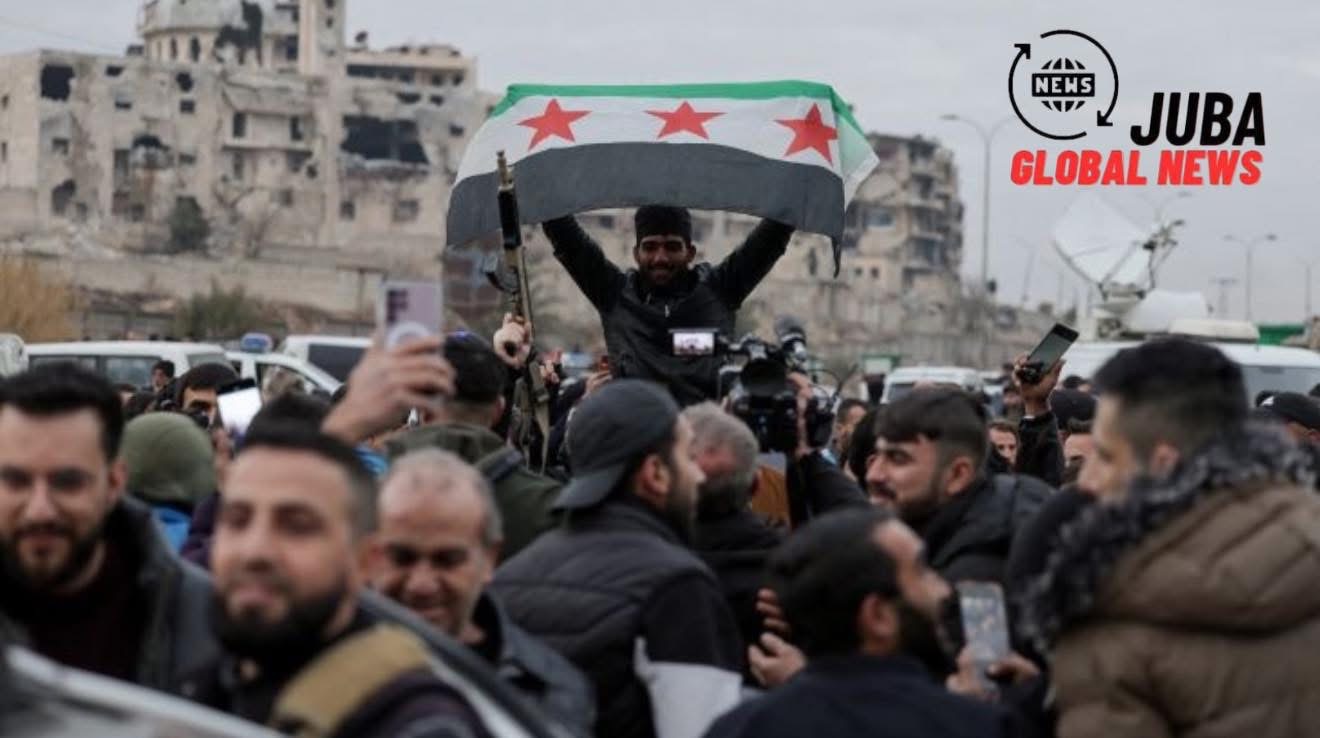
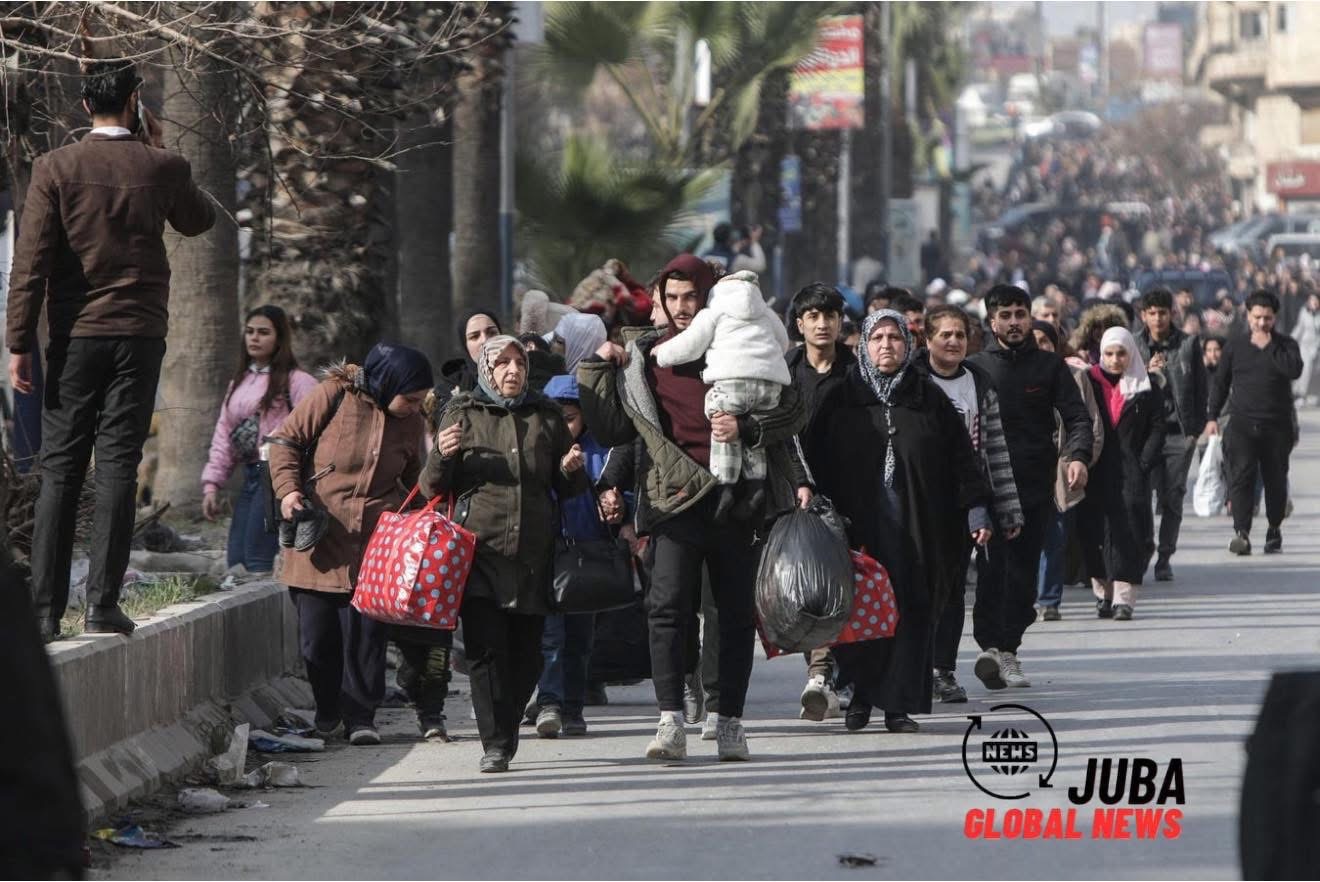
As of January 11, 2026, the Kurdish-led Syrian Democratic Forces (SDF) have completed their withdrawal from the city of Aleppo, marking a significant shift in control over Syria’s second-largest city. Aleppo Governor Azzam al-Gharib confirmed to Al Jazeera early Sunday that the city is now “empty of SDF fighters,” following an overnight evacuation coordinated by Syrian transitional government forces. The pullout came after days of deadly clashes that killed at least 22-30 people (including civilians), wounded over 100, and displaced more than 150,000 residents from predominantly Kurdish neighborhoods like Sheikh Maqsoud, Ashrafieh, and Bani Zaid.
Here are powerful images capturing the tense moments of the withdrawal and the aftermath in Aleppo’s streets:
The Spark: Breakdown of Long-Standing Negotiations
The clashes, which erupted around January 6-7, 2026, stem from the failure to implement a March 2025 agreement between the SDF and the Syrian transitional government under President Ahmed al-Sharaa. That deal called for integrating the SDF’s military and civil institutions—including its fighters (estimated at 50,000-90,000), border crossings, airports, oil fields, and local governance—into unified Syrian state structures by the end of 2025.
Negotiations stalled repeatedly, with the SDF resisting full dissolution of its autonomy in the northeast, while Damascus insisted on centralized control. Tensions boiled over when government forces declared Kurdish-held neighborhoods “closed military zones,” issued evacuation maps, and accused the SDF of posing security threats. The SDF denied military presence in civilian areas and accused the army of indiscriminate shelling, including on hospitals and churches.
Here are scenes showing the intense urban fighting and damaged neighborhoods during the clashes:
Escalation and Ceasefire: U.S.-Mediated Breakthrough
Fighting intensified mid-week, with reports of drone strikes (including one allegedly by the SDF on a governorate building), artillery exchanges, and street battles. The Syrian Ministry of Defence announced temporary ceasefires, starting with a six-hour window on January 9, later extended, demanding SDF redeployment east of the Euphrates River.
Kurdish councils initially rejected the terms as a “call to surrender” and vowed to defend neighborhoods. However, by January 10, SDF Commander Mazloum Abdi (Mazloum Kobani) announced an “understanding” reached through international mediation—primarily led by the United States—for a ceasefire and safe evacuation of civilians, wounded, martyrs, and fighters to northeastern Syria (the Democratic Autonomous Administration of North and East Syria).
U.S. envoy Tom Barrack met with al-Sharaa in Damascus, urging restraint and offering mediation. President Donald Trump commented on the clashes, expressing a desire for peace while noting good relations with both sides. The deal allowed fighters to leave with light arms in some cases, though many reportedly disarmed before boarding buses to Raqqa and other SDF-held areas.
Visuals of Syrian transitional government forces taking positions in the newly secured neighborhoods:
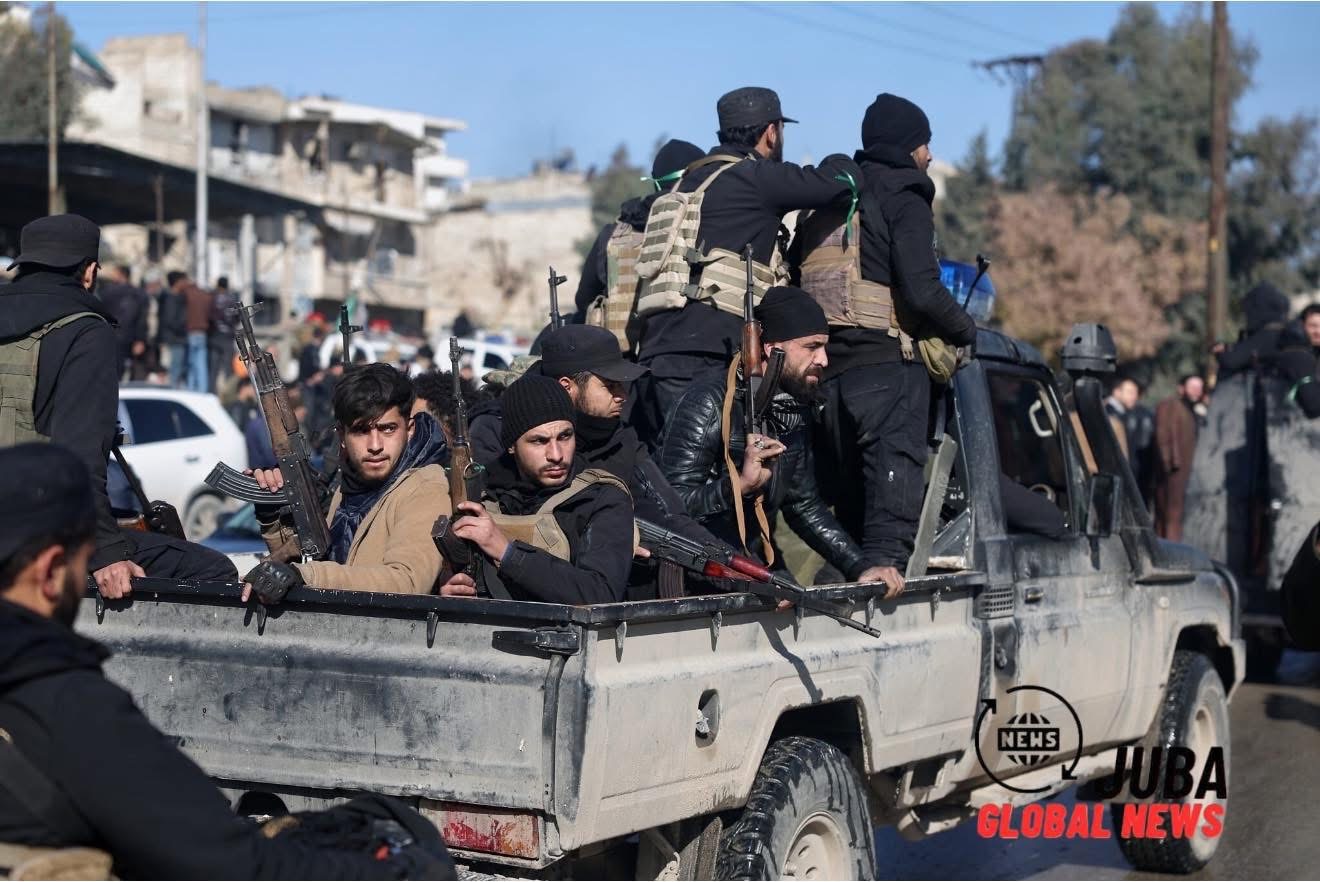
Aftermath and Broader Implications
By January 11, calm had returned to Aleppo, with government security forces conducting sweeps, searching for hidden weapons, tunnels, and detained prisoners from the Assad era. The withdrawal consolidates transitional government control over the entire city for the first time since the fall of Bashar al-Assad in late 2024.
This development is a major setback for the SDF in Aleppo, where Kurdish forces had maintained pockets since 2011. It highlights ongoing challenges in post-Assad Syria: unifying fragmented armed groups, addressing Kurdish autonomy demands, and preventing escalation involving regional players like Turkey (which views the SDF as linked to the PKK and has threatened action).
Analysts warn that while violence has paused, the underlying fault line—SDF integration—remains unresolved. The northeast, rich in oil and agriculture, stays under SDF control, and stalled talks could spark future confrontations.
The U.S., with troops in eastern Syria and alliances on both sides, played a pivotal role in de-escalation, underscoring Washington’s balancing act in the new Syria.
As Syria navigates its fragile transition in 2026, the Aleppo withdrawal represents both a step toward centralized authority and a reminder of deep divisions that could threaten long-term stability. Events continue to unfold rapidly—stay informed through reliable sources as the situation develops.