

EU Approves Long-Awaited Mercosur Trade Deal After 25 Years of Negotiations: A Historic Step Forward Amid Fierce Opposition
On January 9, 2026 , a qualified majority of European Union member states gave the green light for the bloc to sign its most ambitious free trade agreement

On January 9, 2026, a qualified majority of European Union member states gave the green light for the bloc to sign its most ambitious free trade agreement to date: the EU-Mercosur Partnership Agreement. After more than 25 years of complex, often stalled talks, the deal with South America’s Mercosur bloc (Argentina, Brazil, Paraguay, and Uruguay) is now cleared for formal signature, expected in Asunción, Paraguay, around January 17. This paves the way for one of the world’s largest free trade zones, encompassing over 700 million people and promising significant economic gains—while igniting intense protests from European farmers and environmental groups.
Here are symbolic images of the EU and Mercosur flags together, representing the historic partnership:
A Quarter-Century in the Making
Negotiations between the EU and Mercosur began in 1999, evolving through multiple rounds, breakdowns, and revivals. The breakthrough came in late 2024, when European Commission President Ursula von der Leyen personally helped finalize the text amid shifting global dynamics—including U.S. protectionism under President Trump and growing Chinese influence in Latin America.
The January 9 vote saw 21 EU countries in favor, with France, Poland, Austria, Ireland, and Hungary voting against, and Belgium abstaining. This qualified majority (representing at least 65% of the EU population) overcame last-minute hurdles, including concessions for Italian farmers and strengthened safeguards for sensitive sectors.
The agreement includes two main components:
- The EU-Mercosur Partnership Agreement (EMPA) — a comprehensive pact covering political dialogue, cooperation, sustainable development, and trade.
- An Interim Trade Agreement (iTA) — focusing on immediate tariff reductions and investment liberalization.
Once signed, large parts of the political and cooperation chapters can apply provisionally, while the full deal requires approval from the European Parliament and ratification by all EU and Mercosur national parliaments—a process that could take years.
Economic Stakes: Winners and Opportunities
The deal aims to eliminate or phase out tariffs on 91-92% of goods over 15 years. EU exports—dominated by machinery, chemicals, vehicles, pharmaceuticals, and wines—stand to gain dramatically, with potential removal of up to €4 billion in duties. Mercosur exports focus on agricultural products, minerals, pulp, paper, and critical raw materials.
Proponents, including Germany, Spain, and von der Leyen, hail it as a “win-win”:
- Projected €50 billion boost to EU exporters by 2040.
- €9 billion in growth for Mercosur economies.
- Strategic diversification away from U.S. tariffs and Chinese dominance in rare earths/minerals vital for tech and autos.
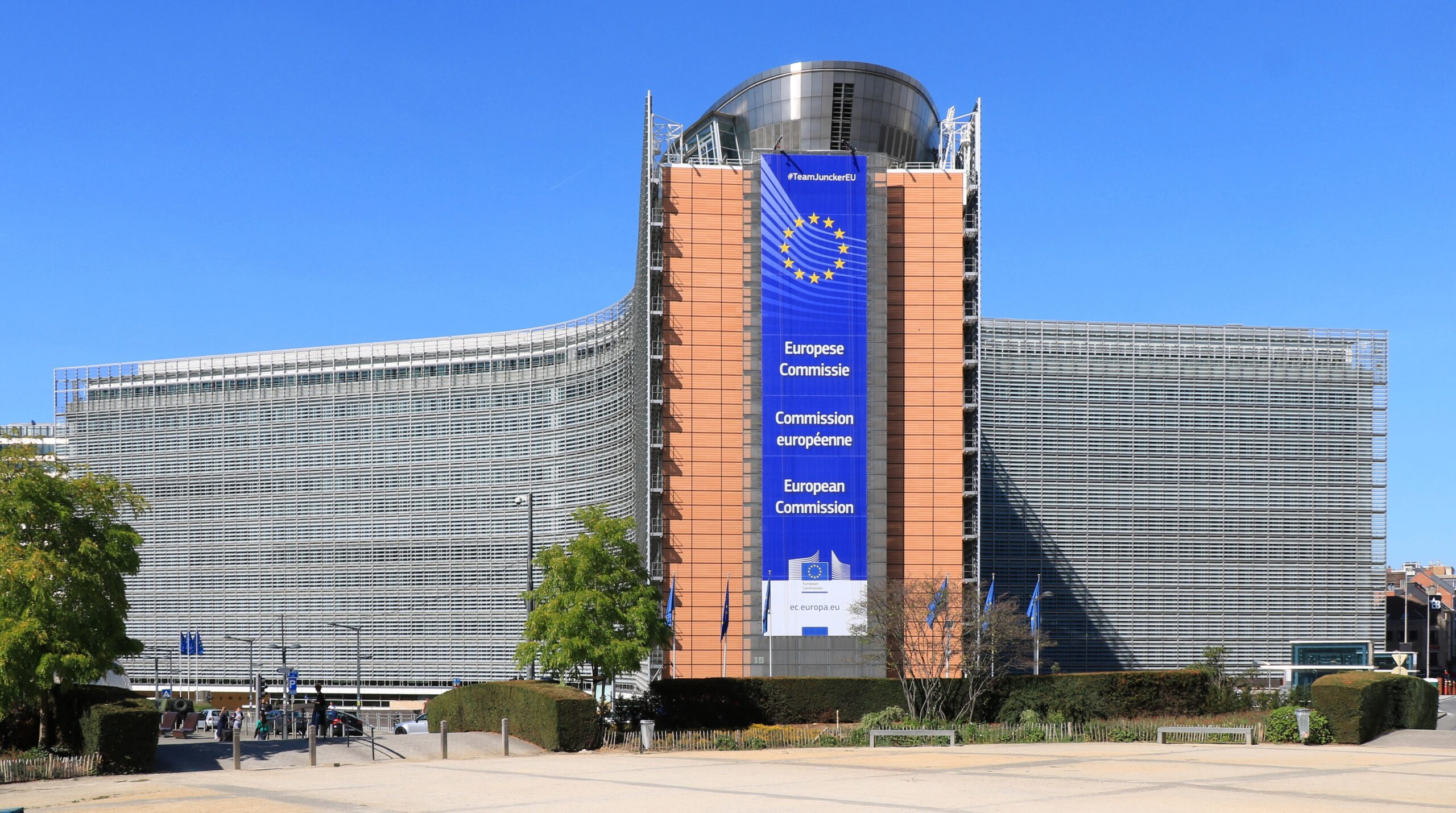
Here are scenes of the European Commission headquarters in Brussels, where the final approvals were secured:
Fierce Opposition: Farmers’ Backlash and Environmental Concerns
Despite the breakthrough, the deal faces massive resistance, particularly from European farmers fearing a flood of cheaper imports—especially beef, poultry, sugar, and ethanol—from Mercosur powerhouses like Brazil.
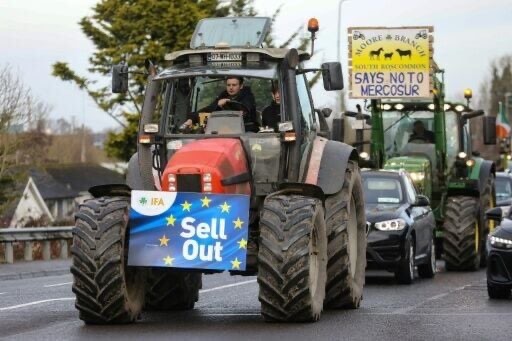
Protests erupted immediately after the January 9 vote, with farmers blocking roads in Paris, Brussels, Warsaw, and other cities. In Ireland, thousands rallied in Athlone with tractors and signs reading “Stop EU-Mercosur,” warning of threats to local beef industries.
These powerful images capture the scale of farmer protests across Europe:
Critics argue Mercosur producers face lower standards on deforestation, pesticides, animal welfare, and labor rights. Environmentalists highlight risks to the Amazon rainforest from expanded cattle ranching.
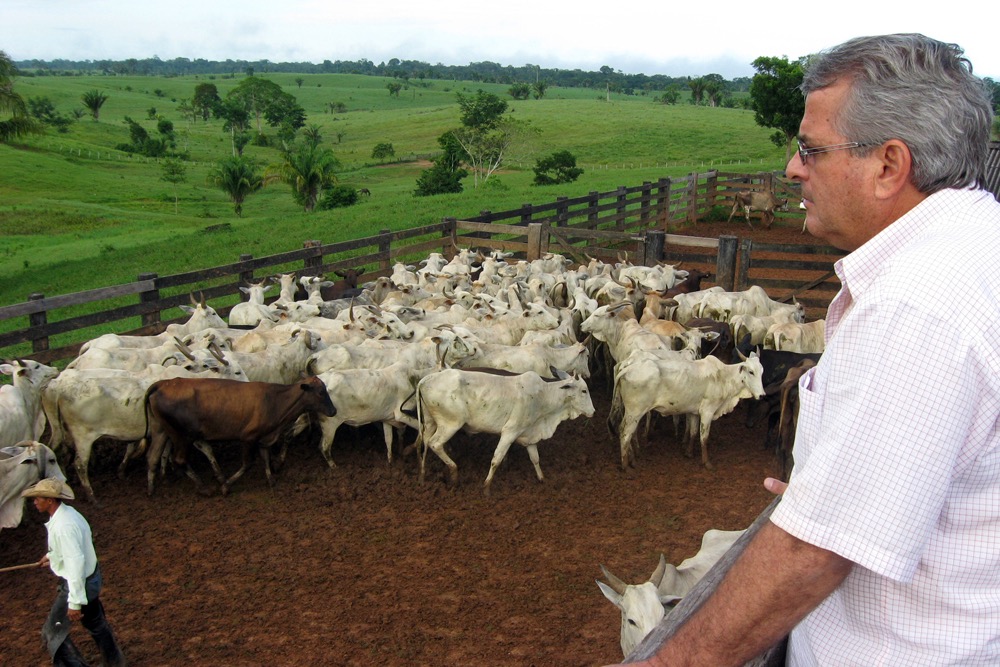
Here are visuals of Brazilian and Argentinian cattle ranching, central to Mercosur’s agricultural exports:
To address concerns, negotiators included:
- Strict quotas on sensitive imports (e.g., limited beef volumes).
- Enhanced monitoring and rapid-response safeguards.
- A crisis fund and accelerated support for EU farmers.
- Commitments to Paris Agreement compliance and anti-deforestation rules.
France’s President Emmanuel Macron called it an “agreement from another age,” while opposition parties threatened no-confidence motions. Ireland’s farmers vow to fight in the European Parliament.
Looking Ahead: Signature, Ratification, and Global Impact
With the Council greenlight secured, von der Leyen is set to travel to Paraguay for the signing ceremony. The deal signals Europe’s commitment to multilateralism amid global uncertainty, potentially countering U.S. protectionism and deepening ties with the Global South.
Yet the path to full implementation remains uncertain—dependent on parliamentary approval and national ratifications. Protests continue, and the European Parliament vote could prove contentious.
As 2026 unfolds, the EU-Mercosur agreement stands as a landmark in global trade: a bold move toward openness and partnership, tempered by deep divisions over agriculture, sustainability, and fairness. The coming months will test whether this historic pact can deliver its promised prosperity without fracturing European unity. Stay tuned as developments progress rapidly.
