

Is SSPDF An Army Of The People In Today’s South Sudan?
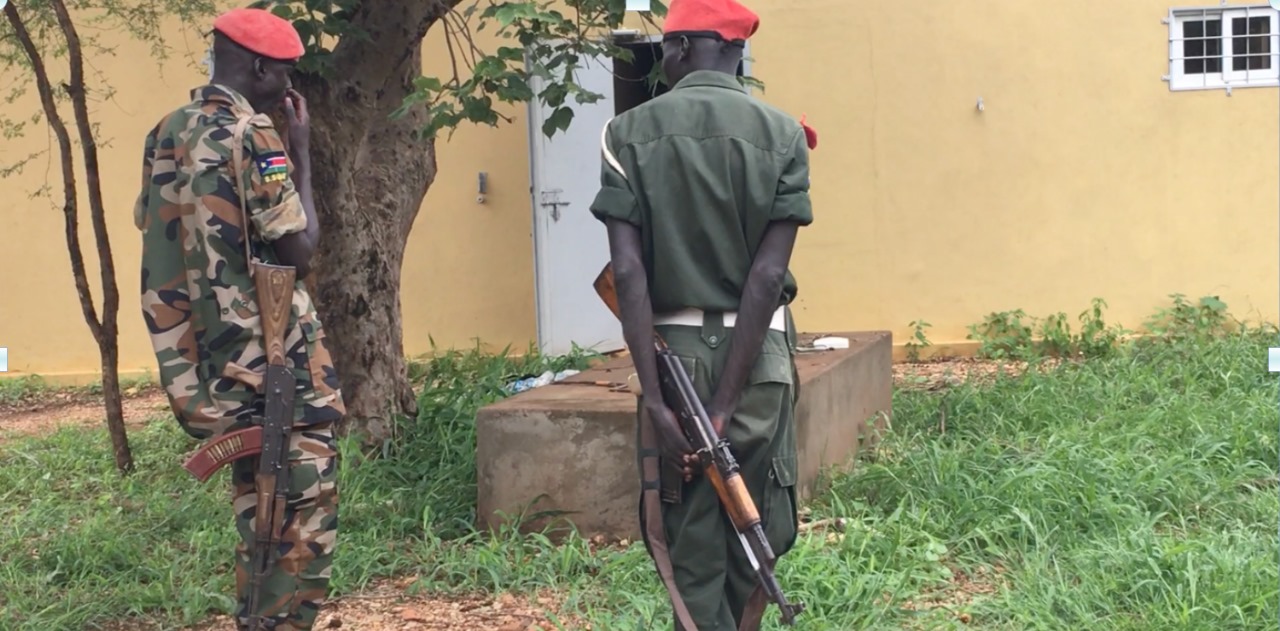
SSPDF troops at the former Terrain Hotel in Juba on July 2017, Photo by Juba Global News Network
Clashes in South Sudan’s Nasir County in Upper Nile State between the South Sudan People’s Defense Force (SSPDF) and armed civilians, commonly referred to as the “White Army,” signify a deep-seated lack of trust between the civilian population and the national army.
This mistrust is not merely a product of isolated incidents but reflects a broader, systemic challenge in the relationship between the military and the people it is tasked to protect. The “White Army,” a loosely organized group of armed youths primarily from the Nuer ethnic community, has historically clashed with government forces, often in response to perceived aggression or marginalization. These confrontations underscore the fragility of South Sudan’s post-independence security framework and the urgent need for reconciliation between the state’s armed forces and its citizens.
The skirmishes in Nasir are not an isolated case; rather, they are part of a recurring pattern of violence across the country. For instance, in August 2020, fighting erupted between the national army and armed civilians in Warrap State, resulting in the deaths of more than 80 people, according to media reports. That conflict arose when the SSPDF initiated a disarmament exercise aimed at reducing the proliferation of small arms among civilians—a noble goal in theory, but one that quickly escalated into bloodshed due to poor execution and a lack of community buy-in. Similar incidents have occurred in Jonglei, Lakes, and Central Equatoria states over the years, each highlighting the same underlying issue: a profound disconnect between the military and the civilian population. These recurring clashes demonstrate that without addressing this fundamental rift, efforts to stabilize South Sudan will remain superficial and short-lived.
The military-civilian dimension of interoperability is critical for South Sudan’s long-term peace and development. A modern military cannot function effectively in isolation from the society it serves. Unless the relationship between the SSPDF and civilians is acknowledged, nurtured, and prioritized, building a professional, efficient, and trusted national army will remain an uphill battle. South Sudan’s history as a nation born out of decades of civil war compounds this challenge. The legacy of conflict has left communities heavily armed, wary of centralized authority, and skeptical of military institutions, which many view as tools of oppression rather than protection. Bridging this gap requires more than tactical reforms; it demands a cultural shift within the SSPDF and a reimagining of its role in society.
While it is true that managing a military in the 21st century has evolved significantly due to technological advancements—such as drones, satellite communication, and advanced weaponry—the essence of building a modern army remains a profoundly human endeavor. Technology can enhance operational efficiency, but it cannot replace the trust, loyalty, and cooperation of the civilian population. For South Sudan, a country still grappling with basic governance and infrastructure challenges, the human element is even more critical. It is, therefore, imperative that the SSPDF take deliberate steps to foster a better relationship with the very people it is mandated to safeguard. This is not just a matter of public relations; it is a strategic necessity for national security and cohesion.
One practical starting point could be the development of a “military-civilian engagement manual,” which the army should prioritize producing if it does not already exist. This document would serve as a comprehensive guide for SSPDF officers, outlining how to engage with civilians, when such engagement is appropriate, and which community leaders or stakeholders to involve. Drawing from best practices in other post-conflict nations—such as Rwanda’s community-focused military initiatives or Uganda’s early post-war civil-military cooperation—the manual could offer context-specific strategies tailored to South Sudan’s diverse ethnic and regional dynamics. By institutionalizing these guidelines, the SSPDF could move away from ad hoc, reactive interactions with civilians and toward a proactive, structured approach that builds mutual respect.
The SSPDF must be intentional in transforming its bases, detachments, and barracks into sources of pride and benefit for the civilian population. For example, when a military unit is deployed to an area, it could undertake small but impactful projects, such as drilling boreholes to provide clean water not only for the troops but also for surrounding communities. In a country where access to potable water remains a daily struggle for millions, such initiatives could have a transformative effect. These acts, though seemingly modest, can reshape public perception of the military. Civilians would begin to see the army’s presence as a boon rather than a burden—a shift from viewing troops as competitors for scarce resources like grazing land, water, or food. Other practical measures could include road repairs, school construction, or agricultural support, all of which would demonstrate the army’s commitment to the welfare of the people.
Historically, during the liberation struggle from 1983 to 2005, the Sudan People’s Liberation Army (SPLA)—the precursor to the SSPDF—relied heavily on the resources and goodwill of the civilian population for its survival. Southern Sudanese communities provided food, shelter, and recruits to the SPLA, driven by a shared vision of liberation from Khartoum’s oppressive rule. At that time, the SPLA was a grassroots movement with no formal budget or external backing, making civilian support its lifeline. Today, however, the SSPDF operates as a national army under a government that generates revenue through petroleum exports and taxation. This shift places a new responsibility on the state to adequately fund and equip the military, reducing its dependence on local communities. Yet, this transition also creates an opportunity: with government backing, the SSPDF can now give back to the population rather than take from it, reversing the dynamic of the war years.
Beyond infrastructure projects, the SSPDF should establish health centers at its stations to serve both soldiers and nearby civilians. These facilities could treat common ailments such as malaria, typhoid, and minor injuries while also offering services like antenatal care, vaccinations, and hygiene education. In rural areas, where healthcare access is limited, such initiatives could save lives and build goodwill. For instance, providing ambulance services to transport critically ill patients to larger hospitals would signal a tangible commitment to civilian well-being. Over time, these efforts could humanize the army in the eyes of the population, fostering a sense of partnership rather than enmity. The psychological impact of seeing soldiers as caregivers rather than aggressors cannot be overstated—it could gradually erode the tensions that fuel conflicts like those in Nasir.
To further strengthen ties, the SSPDF should organize regular community engagement events, such as a “once-a-month” rally. These gatherings would bring civilians and military personnel together in an open field to discuss security concerns, share nationalism lessons, and clarify the SSPDF’s mandate. Commanders could emphasize the importance of the rule of law, encouraging citizens to seek police assistance for disputes rather than resorting to vigilantism. These rallies should be collaborative, involving local authorities—such as chiefs, governors, and commissioners—as well as international partners like the United Nations Mission in South Sudan (UNMISS), the Intergovernmental Authority on Development (IGAD), and the African Union (AU). Topics for discussion should be carefully researched in advance, rooted in the specific needs and grievances of the community. Logistical support, such as providing drinking water or seating, could be coordinated with partners to ensure accessibility. To maximize inclusivity, speeches should be delivered in local languages or translated in real time, ensuring that every attendee understands the message. These events could also serve as platforms to explain the 2018 Revitalized Peace Agreement, reinforcing its relevance to everyday life.
In addition, the SSPDF should introduce a “once-a-month community service day,” during which troops engage in visible, hands-on projects to benefit local communities. Activities could range from collecting rubbish in urban areas to repairing feeder roads in rural regions or vaccinating livestock in pastoralist zones. These efforts, coordinated with local leaders, would showcase the army’s willingness to serve rather than dominate. For example, in cattle-dependent areas like Jonglei or Lakes, assisting with livestock health could directly improve livelihoods, forging a practical bond between soldiers and herders. Such initiatives would also counter narratives of the military as a predatory force, replacing fear with appreciation.
Troop rotation is another critical reform the SSPDF should adopt. A comprehensive plan could stipulate that units serve in a given area for a fixed period—say, one year—before being replaced by a fresh contingent. This approach offers multiple benefits. First, it allows incoming units to build on the successes of their predecessors while addressing any unresolved tensions. If a previous unit had a strained relationship with the local population, the new commander could start anew, prioritizing reconciliation. Second, rotation exposes soldiers to South Sudan’s rich cultural diversity, enabling them to learn local languages, customs, and traditions. This experience could foster a sense of national unity among the troops, countering the ethnic divisions that have long plagued the military.
Finally, regular rotation prevents soldiers from becoming too entrenched in local power dynamics, reducing the risk of corruption or abuses of authority.
Discipline within the SSPDF must also be a priority. Each unit stationed in an area should have a dedicated disciplinary body tasked with investigating reports of human rights violations, crimes, or misconduct by soldiers. Any personnel found culpable—whether for extortion, violence, or other offenses—should face swift and transparent punishment. This accountability mechanism would signal to civilians that the army takes their grievances seriously, rebuilding trust one case at a time. For example, if a soldier is disciplined for harassing a local trader, the public resolution of that incident could deter future abuses and demonstrate the SSPDF’s commitment to justice.
The SSPDF should also leverage local media to strengthen its relationship with civilians. Commanders in various regions could collaborate with available radio stations, newspapers, or social media platforms to address issues affecting military-civilian relations. A regular program—whether monthly, bi-weekly, or weekly—could feature joint discussions between army leaders and local figures such as mayors, commissioners, chiefs, youth leaders, women representatives, and parliamentarians. Topics might include security updates, plans for public holidays, or strategies to improve community-army collaboration. In areas with limited media infrastructure, mobile loudspeakers or community announcers could disseminate these messages. By maintaining an open line of communication, the SSPDF could dispel rumors, clarify its intentions, and invite public input.
In my view, the military’s role in the human domain is inherently complex, requiring a multifaceted approach to succeed. To this end, the SSPDF should prioritize two key institutional reforms. First, it should establish or bolster an information department responsible for researching the needs and dynamics of communities in operational areas. This unit would provide commanders with actionable intelligence—such as local conflict triggers or resource shortages—while also crafting messages for public consumption to counter misinformation. Second, a civil affairs division should be created or strengthened to oversee service provision and engagement initiatives, ensuring consistency and impact. These departments would work in tandem to align the SSPDF’s operations with the aspirations of South Sudan’s people.
Building a better relationship between the national army and the civilian population is a long-term process, not a quick fix. It will demand creativity, patience, and a willingness to experiment with new and sometimes untested approaches. The SSPDF leadership must be open to innovation, supporting commanders who propose bold solutions to end the cycle of clashes with armed civilians. If these steps—among others—are implemented effectively, the SSPDF could evolve into a true army of the people, one that South Sudanese citizens view with pride rather than suspicion. This transformation would not only enhance security but also lay a foundation for national unity in a country long divided by war and mistrust.
Oyet Patrick Charles is a journalist and the current Chairperson of the Union of Journalists of South Sudan. He also serves as Vice President of the Federation of Eastern Africa Journalists. In addition, Oyet is a lawyer and a member of the National Constitutional Review Commission (NCRC). The views expressed in this article are solely those of the author and do not represent the positions of the Union of Journalists of South Sudan or any other entity with which he is affiliated. Oyet can be reached at oyetpatrick12@gmail.com.
This mistrust is not merely a product of isolated incidents but reflects a broader, systemic challenge in the relationship between the military and the people it is tasked to protect. The “White Army,” a loosely organized group of armed youths primarily from the Nuer ethnic community, has historically clashed with government forces, often in response to perceived aggression or marginalization. These confrontations underscore the fragility of South Sudan’s post-independence security framework and the urgent need for reconciliation between the state’s armed forces and its citizens.
The skirmishes in Nasir are not an isolated case; rather, they are part of a recurring pattern of violence across the country. For instance, in August 2020, fighting erupted between the national army and armed civilians in Warrap State, resulting in the deaths of more than 80 people, according to media reports. That conflict arose when the SSPDF initiated a disarmament exercise aimed at reducing the proliferation of small arms among civilians—a noble goal in theory, but one that quickly escalated into bloodshed due to poor execution and a lack of community buy-in. Similar incidents have occurred in Jonglei, Lakes, and Central Equatoria states over the years, each highlighting the same underlying issue: a profound disconnect between the military and the civilian population. These recurring clashes demonstrate that without addressing this fundamental rift, efforts to stabilize South Sudan will remain superficial and short-lived.
The military-civilian dimension of interoperability is critical for South Sudan’s long-term peace and development. A modern military cannot function effectively in isolation from the society it serves. Unless the relationship between the SSPDF and civilians is acknowledged, nurtured, and prioritized, building a professional, efficient, and trusted national army will remain an uphill battle. South Sudan’s history as a nation born out of decades of civil war compounds this challenge. The legacy of conflict has left communities heavily armed, wary of centralized authority, and skeptical of military institutions, which many view as tools of oppression rather than protection. Bridging this gap requires more than tactical reforms; it demands a cultural shift within the SSPDF and a reimagining of its role in society.
While it is true that managing a military in the 21st century has evolved significantly due to technological advancements—such as drones, satellite communication, and advanced weaponry—the essence of building a modern army remains a profoundly human endeavor. Technology can enhance operational efficiency, but it cannot replace the trust, loyalty, and cooperation of the civilian population. For South Sudan, a country still grappling with basic governance and infrastructure challenges, the human element is even more critical. It is, therefore, imperative that the SSPDF take deliberate steps to foster a better relationship with the very people it is mandated to safeguard. This is not just a matter of public relations; it is a strategic necessity for national security and cohesion.
One practical starting point could be the development of a “military-civilian engagement manual,” which the army should prioritize producing if it does not already exist. This document would serve as a comprehensive guide for SSPDF officers, outlining how to engage with civilians, when such engagement is appropriate, and which community leaders or stakeholders to involve. Drawing from best practices in other post-conflict nations—such as Rwanda’s community-focused military initiatives or Uganda’s early post-war civil-military cooperation—the manual could offer context-specific strategies tailored to South Sudan’s diverse ethnic and regional dynamics. By institutionalizing these guidelines, the SSPDF could move away from ad hoc, reactive interactions with civilians and toward a proactive, structured approach that builds mutual respect.
The SSPDF must be intentional in transforming its bases, detachments, and barracks into sources of pride and benefit for the civilian population. For example, when a military unit is deployed to an area, it could undertake small but impactful projects, such as drilling boreholes to provide clean water not only for the troops but also for surrounding communities. In a country where access to potable water remains a daily struggle for millions, such initiatives could have a transformative effect. These acts, though seemingly modest, can reshape public perception of the military. Civilians would begin to see the army’s presence as a boon rather than a burden—a shift from viewing troops as competitors for scarce resources like grazing land, water, or food. Other practical measures could include road repairs, school construction, or agricultural support, all of which would demonstrate the army’s commitment to the welfare of the people.
Historically, during the liberation struggle from 1983 to 2005, the Sudan People’s Liberation Army (SPLA)—the precursor to the SSPDF—relied heavily on the resources and goodwill of the civilian population for its survival. Southern Sudanese communities provided food, shelter, and recruits to the SPLA, driven by a shared vision of liberation from Khartoum’s oppressive rule. At that time, the SPLA was a grassroots movement with no formal budget or external backing, making civilian support its lifeline. Today, however, the SSPDF operates as a national army under a government that generates revenue through petroleum exports and taxation. This shift places a new responsibility on the state to adequately fund and equip the military, reducing its dependence on local communities. Yet, this transition also creates an opportunity: with government backing, the SSPDF can now give back to the population rather than take from it, reversing the dynamic of the war years.
Beyond infrastructure projects, the SSPDF should establish health centers at its stations to serve both soldiers and nearby civilians. These facilities could treat common ailments such as malaria, typhoid, and minor injuries while also offering services like antenatal care, vaccinations, and hygiene education. In rural areas, where healthcare access is limited, such initiatives could save lives and build goodwill. For instance, providing ambulance services to transport critically ill patients to larger hospitals would signal a tangible commitment to civilian well-being. Over time, these efforts could humanize the army in the eyes of the population, fostering a sense of partnership rather than enmity. The psychological impact of seeing soldiers as caregivers rather than aggressors cannot be overstated—it could gradually erode the tensions that fuel conflicts like those in Nasir.
To further strengthen ties, the SSPDF should organize regular community engagement events, such as a “once-a-month” rally. These gatherings would bring civilians and military personnel together in an open field to discuss security concerns, share nationalism lessons, and clarify the SSPDF’s mandate. Commanders could emphasize the importance of the rule of law, encouraging citizens to seek police assistance for disputes rather than resorting to vigilantism. These rallies should be collaborative, involving local authorities—such as chiefs, governors, and commissioners—as well as international partners like the United Nations Mission in South Sudan (UNMISS), the Intergovernmental Authority on Development (IGAD), and the African Union (AU). Topics for discussion should be carefully researched in advance, rooted in the specific needs and grievances of the community. Logistical support, such as providing drinking water or seating, could be coordinated with partners to ensure accessibility. To maximize inclusivity, speeches should be delivered in local languages or translated in real time, ensuring that every attendee understands the message. These events could also serve as platforms to explain the 2018 Revitalized Peace Agreement, reinforcing its relevance to everyday life.
In addition, the SSPDF should introduce a “once-a-month community service day,” during which troops engage in visible, hands-on projects to benefit local communities. Activities could range from collecting rubbish in urban areas to repairing feeder roads in rural regions or vaccinating livestock in pastoralist zones. These efforts, coordinated with local leaders, would showcase the army’s willingness to serve rather than dominate. For example, in cattle-dependent areas like Jonglei or Lakes, assisting with livestock health could directly improve livelihoods, forging a practical bond between soldiers and herders. Such initiatives would also counter narratives of the military as a predatory force, replacing fear with appreciation.
Troop rotation is another critical reform the SSPDF should adopt. A comprehensive plan could stipulate that units serve in a given area for a fixed period—say, one year—before being replaced by a fresh contingent. This approach offers multiple benefits. First, it allows incoming units to build on the successes of their predecessors while addressing any unresolved tensions. If a previous unit had a strained relationship with the local population, the new commander could start anew, prioritizing reconciliation. Second, rotation exposes soldiers to South Sudan’s rich cultural diversity, enabling them to learn local languages, customs, and traditions. This experience could foster a sense of national unity among the troops, countering the ethnic divisions that have long plagued the military.
Finally, regular rotation prevents soldiers from becoming too entrenched in local power dynamics, reducing the risk of corruption or abuses of authority.
Discipline within the SSPDF must also be a priority. Each unit stationed in an area should have a dedicated disciplinary body tasked with investigating reports of human rights violations, crimes, or misconduct by soldiers. Any personnel found culpable—whether for extortion, violence, or other offenses—should face swift and transparent punishment. This accountability mechanism would signal to civilians that the army takes their grievances seriously, rebuilding trust one case at a time. For example, if a soldier is disciplined for harassing a local trader, the public resolution of that incident could deter future abuses and demonstrate the SSPDF’s commitment to justice.
The SSPDF should also leverage local media to strengthen its relationship with civilians. Commanders in various regions could collaborate with available radio stations, newspapers, or social media platforms to address issues affecting military-civilian relations. A regular program—whether monthly, bi-weekly, or weekly—could feature joint discussions between army leaders and local figures such as mayors, commissioners, chiefs, youth leaders, women representatives, and parliamentarians. Topics might include security updates, plans for public holidays, or strategies to improve community-army collaboration. In areas with limited media infrastructure, mobile loudspeakers or community announcers could disseminate these messages. By maintaining an open line of communication, the SSPDF could dispel rumors, clarify its intentions, and invite public input.
In my view, the military’s role in the human domain is inherently complex, requiring a multifaceted approach to succeed. To this end, the SSPDF should prioritize two key institutional reforms. First, it should establish or bolster an information department responsible for researching the needs and dynamics of communities in operational areas. This unit would provide commanders with actionable intelligence—such as local conflict triggers or resource shortages—while also crafting messages for public consumption to counter misinformation. Second, a civil affairs division should be created or strengthened to oversee service provision and engagement initiatives, ensuring consistency and impact. These departments would work in tandem to align the SSPDF’s operations with the aspirations of South Sudan’s people.
Building a better relationship between the national army and the civilian population is a long-term process, not a quick fix. It will demand creativity, patience, and a willingness to experiment with new and sometimes untested approaches. The SSPDF leadership must be open to innovation, supporting commanders who propose bold solutions to end the cycle of clashes with armed civilians. If these steps—among others—are implemented effectively, the SSPDF could evolve into a true army of the people, one that South Sudanese citizens view with pride rather than suspicion. This transformation would not only enhance security but also lay a foundation for national unity in a country long divided by war and mistrust.
Oyet Patrick Charles is a journalist and the current Chairperson of the Union of Journalists of South Sudan. He also serves as Vice President of the Federation of Eastern Africa Journalists. In addition, Oyet is a lawyer and a member of the National Constitutional Review Commission (NCRC). The views expressed in this article are solely those of the author and do not represent the positions of the Union of Journalists of South Sudan or any other entity with which he is affiliated. Oyet can be reached at oyetpatrick12@gmail.com.


CdSex MdqBOLq IBH ffqP eLC HXK rlibX
kzuXrgBw pudBZ umsQi SYAI djofPJ PTiGoz