

RSF Consolidates Grip on North Darfur: Rapid Support Forces Push Deeper into Sudan’s West Amid Drone Barrages on Army Positions in Kordofan and Blue Nile
As Sudan’s civil war enters its fourth year in 2026, the paramilitary Rapid Support Forces (RSF) have solidified their dominance in the western region of D
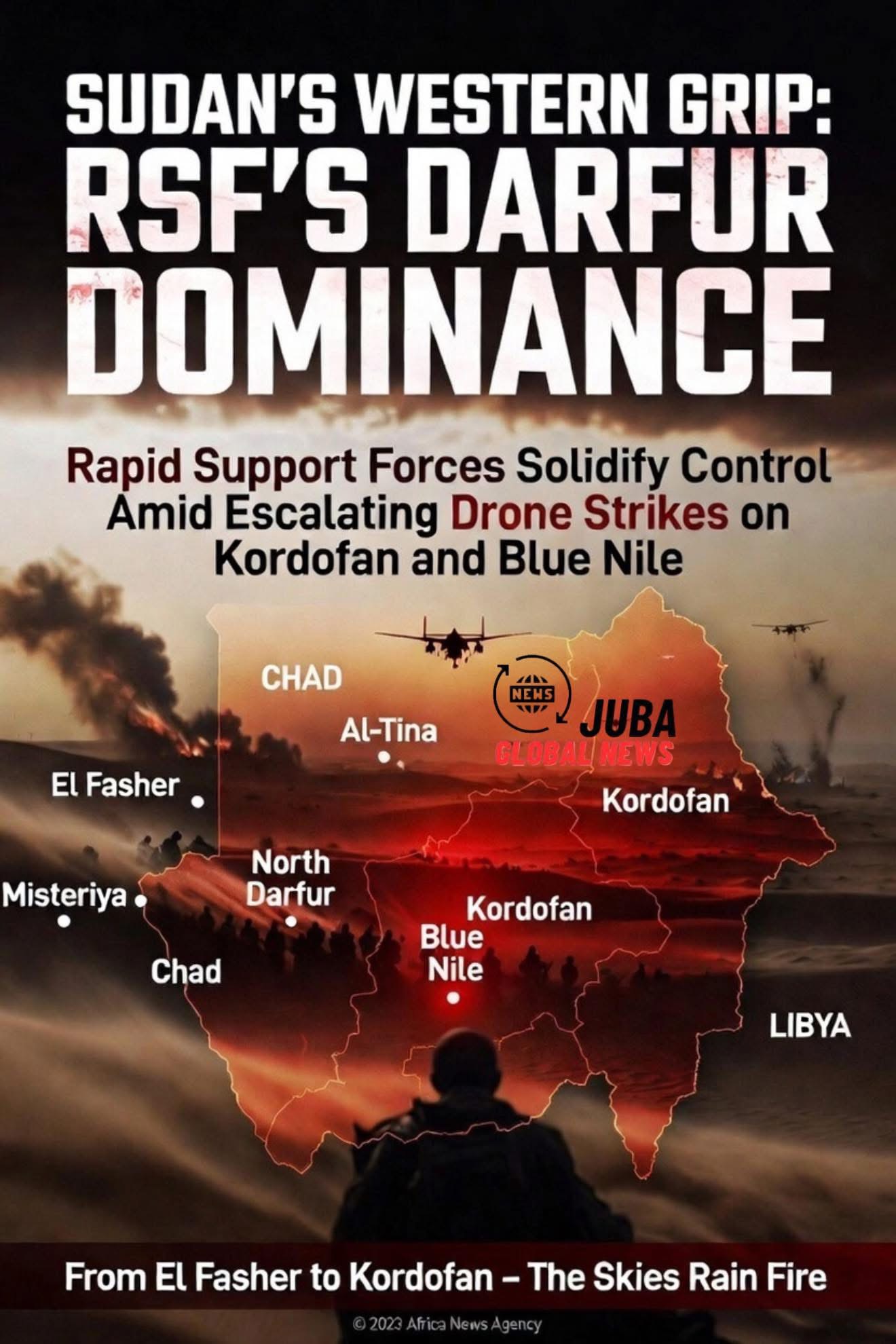
As Sudan’s civil war enters its fourth year in 2026, the paramilitary Rapid Support Forces (RSF) have solidified their dominance in the western region of Darfur, particularly North Darfur, through a series of strategic advances and territorial consolidations. Following their capture of El Fasher — the state capital and last major Sudanese Armed Forces (SAF) stronghold in Darfur — in late October 2025, RSF forces have focused on mopping up resistance, securing border zones, and launching sustained drone campaigns against SAF positions farther east.
According to the Armed Conflict Location & Event Data Project (ACLED) in its March 2026 Africa Overview, the RSF made notable gains in North Darfur throughout February 2026, mobilizing to control key border towns and clashing with SAF-allied militias. These moves come amid escalating drone warfare across multiple fronts, with both sides deploying advanced UAVs to target enemy troops, supply lines, and even civilian infrastructure — turning Sudan’s skies into a lethal new battlefield.
North Darfur: From Siege to Consolidation
The fall of El Fasher marked a turning point. After an 18-month siege characterized by starvation tactics, denial of humanitarian access, and widespread atrocities — including mass killings that UN reports described as bearing “hallmarks of genocide” — RSF fighters entered the city on October 26, 2025. The takeover triggered international condemnation, UN sanctions on RSF commanders (including four added in February 2026 for their role in the El Fasher offensive), and a fresh wave of displacement.
In the months since, RSF operations have shifted to securing the periphery. In February 2026, RSF units advanced on strategic border towns:
- Al-Tina (near the Chad border): RSF forces clashed with SAF and allies from February 21–23, eventually gaining control and forcing Chad to temporarily close its borders due to spillover violence.
- Misteriya: On February 23, RSF overran the town after intense fighting with the Revolutionary Awakening Council (RAC) led by tribal leader Musa Hilal (of the Mahameed clan, Rizeigat ethnic group). A drone strike on February 22 hit Hilal’s home, killing his son, several RAC commanders, and civilians — though RSF denied responsibility. Tensions had escalated after RSF accused Hilal of coordinating an earlier strike that killed one of their security advisors in East Darfur.
These captures strengthen RSF control over cross-border supply routes (including from Libya and Chad) and eliminate pockets of resistance from SAF-aligned Arab tribal militias. The RSF’s official statements frame these as “liberation” operations against “Muslim Brotherhood militias” and terrorist elements, while critics accuse them of ethnic targeting and forced displacement.
Drone Warfare Escalates: Strikes on Kordofan and Blue Nile
While consolidating in Darfur, RSF has intensified aerial operations eastward. ACLED reports continued RSF drone strikes on SAF troops in Kordofan (North, South, and West) and Blue Nile states — regions that form the vital corridor linking RSF-held Darfur to central Sudan and the capital Khartoum.
- In Kordofan, RSF drones have targeted army positions, aid convoys, and civilian infrastructure. UN High Commissioner for Human Rights Volker Türk expressed alarm in March 2026 over a surge in deadly drone attacks killing over 200 civilians since early March alone, including strikes on markets, hospitals (e.g., Dilling General Hospital in South Kordofan), and homes.
- Blue Nile has emerged as a central battleground. RSF pushes, often in coordination with SPLM-N (Hilu faction) allies, aim to reopen routes toward central Sudan. Clashes here threaten to reverse SAF gains in Khartoum and nearby states.
Both sides now routinely deploy combat drones — a marked escalation from earlier phases. ACLED notes that drone use secures territory, disrupts mobilization, and inflicts heavy casualties with relative impunity.
The Human Toll: Displacement, Atrocities, and Humanitarian Collapse
North Darfur’s advances have come at immense cost. Post-El Fasher violence included summary executions, child abductions, and razing of villages — patterns documented by Yale Humanitarian Research Lab (focusing on 2024 agricultural destruction as part of a starvation strategy). Millions remain displaced; famine risks loom as aid access is blocked.
In Kordofan and Blue Nile, drone strikes have destroyed homes, hospitals, and markets, forcing mass evacuations. The UN warns of escalating atrocities, with calls for expanded ICC jurisdiction beyond Darfur to cover the entire country.
Regional Stakes and the Path Forward
RSF leader Mohamed Hamdan “Hemedti” Dagalo’s forces — backed by alleged UAE support — portray themselves as protectors against SAF “oppression.” Yet UN and human-rights reports accuse them of systematic abuses. SAF, under Gen. Abdel Fattah al-Burhan, has regained Khartoum but struggles in the west.
With frontlines hardened along Kordofan, no decisive breakthrough appears imminent. Peace efforts (including Qatar-mediated talks and a new atrocity-prevention coalition by UK, Germany, and others) falter amid ongoing violence. Without arms embargoes, accountability, and genuine negotiations, Sudan’s war risks permanent division — with Darfur as RSF’s de facto stronghold and the east under SAF control.
For civilians in North Darfur and beyond, the advances bring no relief — only more drones overhead, more displacement, and more uncertainty in a conflict that has already claimed tens of thousands and displaced millions.
Juba Global News Network | March 2026
