

JNIM’s Revenge Blitz: Al-Qaeda Affiliate Unleashes Deadly Region-Wide Offensive Across Central Sahel After Senior Commander Defects to Islamic State Rivals
In February 2026, the jihadist landscape of the Central Sahel exploded once again. Following the defection of a high-ranking commander to the rival Islamic
In February 2026, the jihadist landscape of the Central Sahel exploded once again. Following the defection of a high-ranking commander to the rival Islamic State Sahel Province (ISSP), Jama’at Nasr al-Islam wal-Muslimin (JNIM) — Al-Qaeda’s powerful Sahel branch — launched one of its most coordinated and violent campaigns in years. The offensive swept across Burkina Faso, Niger, and spilled into Benin, leaving behind a trail of ambushes, mass killings, and terrified communities.
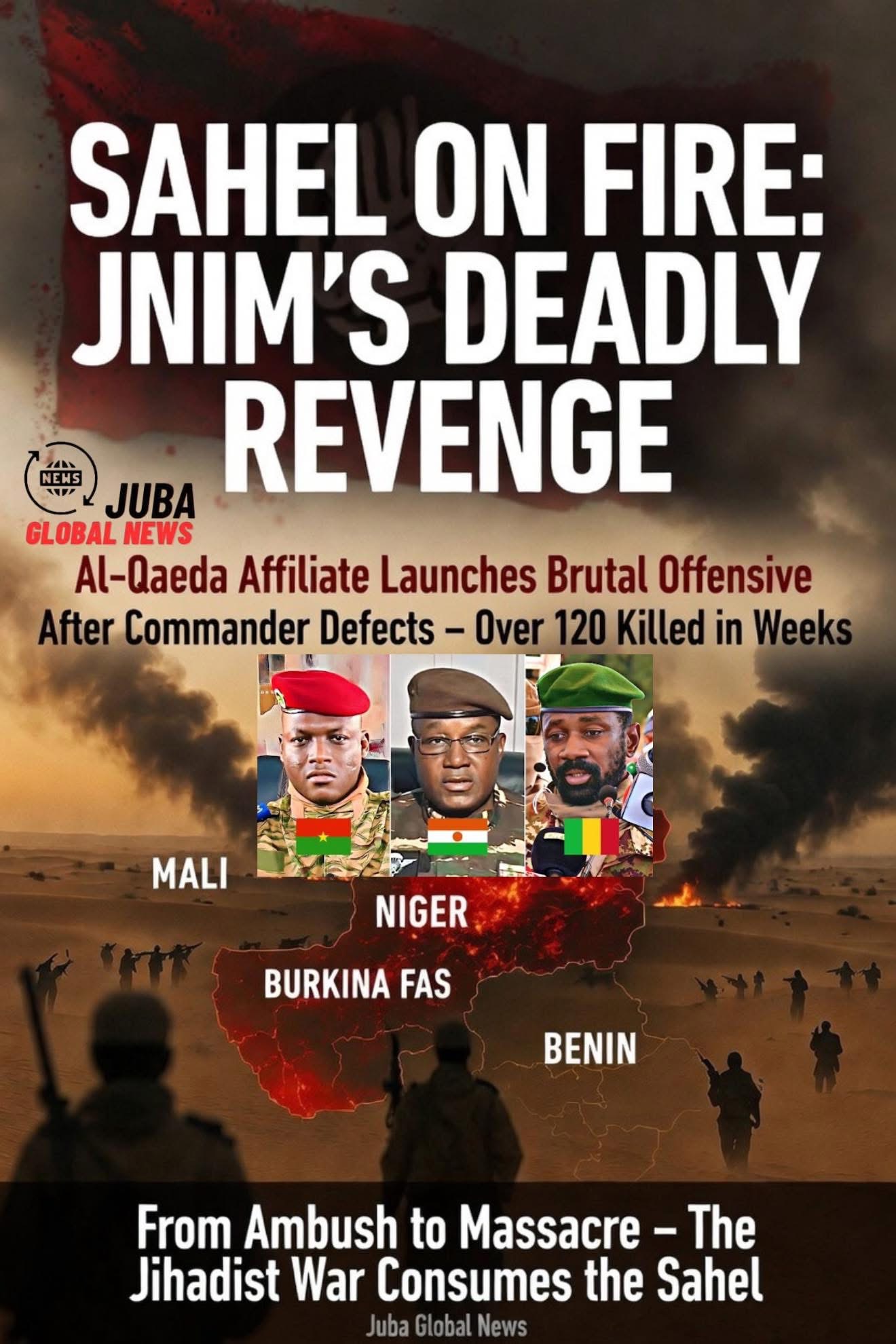
According to the Armed Conflict Location & Event Data Project (ACLED) March 2026 overview, the campaign was no random surge — it was a deliberate show of force designed to punish betrayal, deter further defections, and reassert JNIM’s dominance in a region where its grip was slipping.
The Defection That Ignited the Fire: Sadou Samahouna’s Betrayal
The trigger was the defection of Sadou Samahouna, a senior JNIM commander in Burkina Faso’s volatile Est region and the younger brother of Abu Hanifa, JNIM’s emir for Niger. Sadou reportedly crossed over to ISSP with only a small group of fighters, but his influence and family ties sent shockwaves through JNIM’s leadership. Fearing a wave of copycat defections and loss of internal cohesion, JNIM’s high command responded with overwhelming violence.
The first major strike came on 4 February, when JNIM fighters stormed a Nigerien military base in Makalondi — right near the Boni area where Sadou had defected. It was a clear message: betrayal will be met with fire.
Burkina Faso Becomes the Killing Ground: 30+ Attacks, 120+ Dead
The offensive quickly shifted its full weight to Burkina Faso, hitting the Est, Centre-Nord, and Nord regions hardest. JNIM targeted not only the regular Burkinabe army but also the state-backed Volunteers for the Defense of the Homeland (VDP) militias — local civilians armed by the junta to fight jihadists.
In just weeks, JNIM carried out more than 30 attacks in Burkina Faso alone, killing over 120 soldiers, forest guards, and VDP fighters. The group adopted brutal mass-violence tactics long associated with its Islamic State rivals — ambushes on patrols, raids on outposts, and executions that left entire villages reeling.

Copycat Tactics and Internal Rivalry
Analysts note that JNIM deliberately mirrored ISSP’s ruthless style — an approach that appears to have won support among some of its own rank-and-file fighters disillusioned with more restrained Al-Qaeda methods. The message was clear: JNIM would not go quietly.
The rivalry did not stay one-sided. In response, ISSP launched its own offensive on 9–10 February in Burkina Faso’s Sahel region. Islamic State fighters overran several JNIM positions in villages and killed more than 40 JNIM militants in direct clashes — the bloodiest month of infighting between the two groups in recent memory.
Spillover into Benin: A New Southern Front Opens
The violence refused to stay contained. JNIM pushed operations southward into Benin, opening a dangerous new frontier along the tri-border area with Niger and Burkina Faso. Attacks on Beninese forces and border posts signalled a deliberate expansion strategy — one that threatens to drag coastal West Africa deeper into the Sahel’s chaos.

Civilian Hell: Villages Burn, Thousands Flee
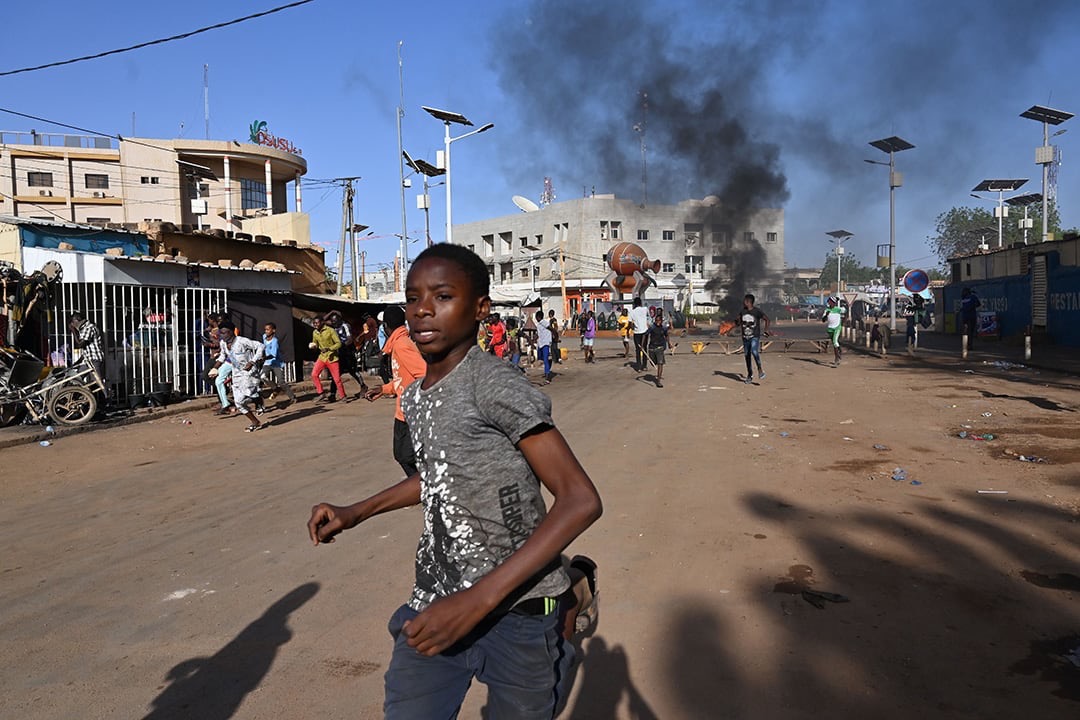
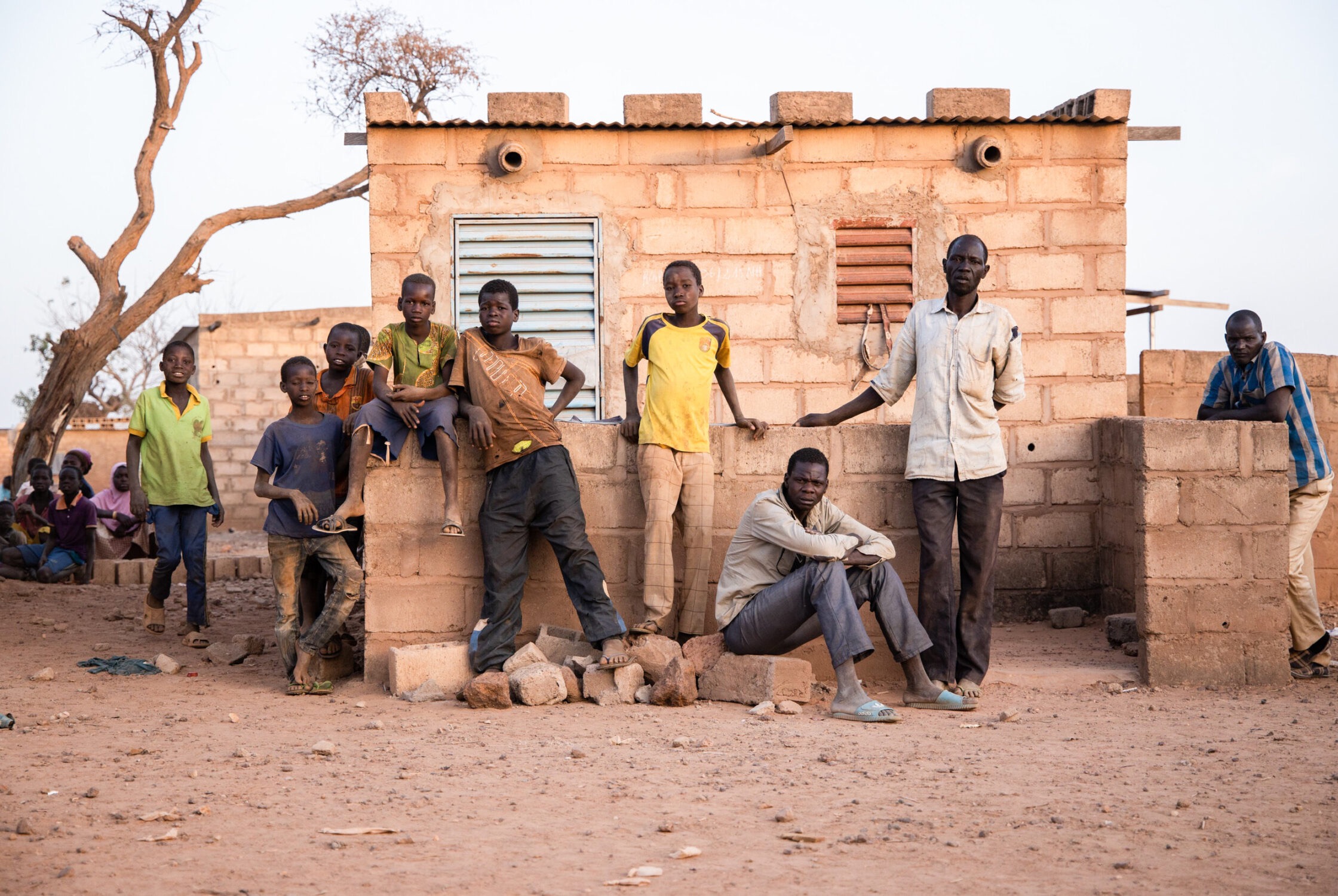
The human toll has been devastating. Markets have emptied, roads have become death traps, and entire communities live under constant threat. VDP fighters — often poorly trained local volunteers — have borne the heaviest losses, but civilians have paid dearly too. Displacement is surging once again, adding to the millions already uprooted across the Sahel.

Juntas Under Pressure: Broken Promises and Escalating Violence
Burkina Faso’s military junta, like Niger’s, came to power promising to crush the jihadists. Instead, violence has only intensified. With French forces long gone and international partners wary, both governments have relied heavily on local VDP militias — a strategy now backfiring as JNIM targets them with lethal precision.
The offensive has exposed deep fractures: porous borders, weak intelligence, and the toxic competition between JNIM and ISSP that keeps the region locked in endless cycles of revenge.
What 2026 Holds: More Bloodshed or a Breaking Point?
ACLED analysts warn that without major changes, the JNIM–ISSP rivalry will only fuel further escalation. The defection and counter-offensive have shown both groups are willing to use extreme violence to maintain or gain ground. Southern expansion into Benin, Togo, and even Nigeria now looks inevitable.
For millions of Sahelians, the desert winds still carry the same dread: another year of ambushes, massacres, and mourning. Markets stay silent. Children stay home. Families bury their dead in haste.
Until the root causes — poverty, weak governance, ethnic tensions, and the global jihadist proxy war playing out on African soil — are confronted with genuine political will and regional cooperation, the Central Sahel will remain exactly what it has become: a bloody arena where Al-Qaeda and Islamic State fight for supremacy, and ordinary people pay the ultimate price.
Juba Global News Network | March 2026
