

Kidnappings of Foreigners Soar in Sahel: 2025 Marked as One of the Worst Years on Record for Abductions in Africa’s Lawless Heartland
The vast, arid expanses of West Africa’s Sahel region — stretching across Mali, Niger, Burkina Faso, and into neighboring states — have long been synonymou
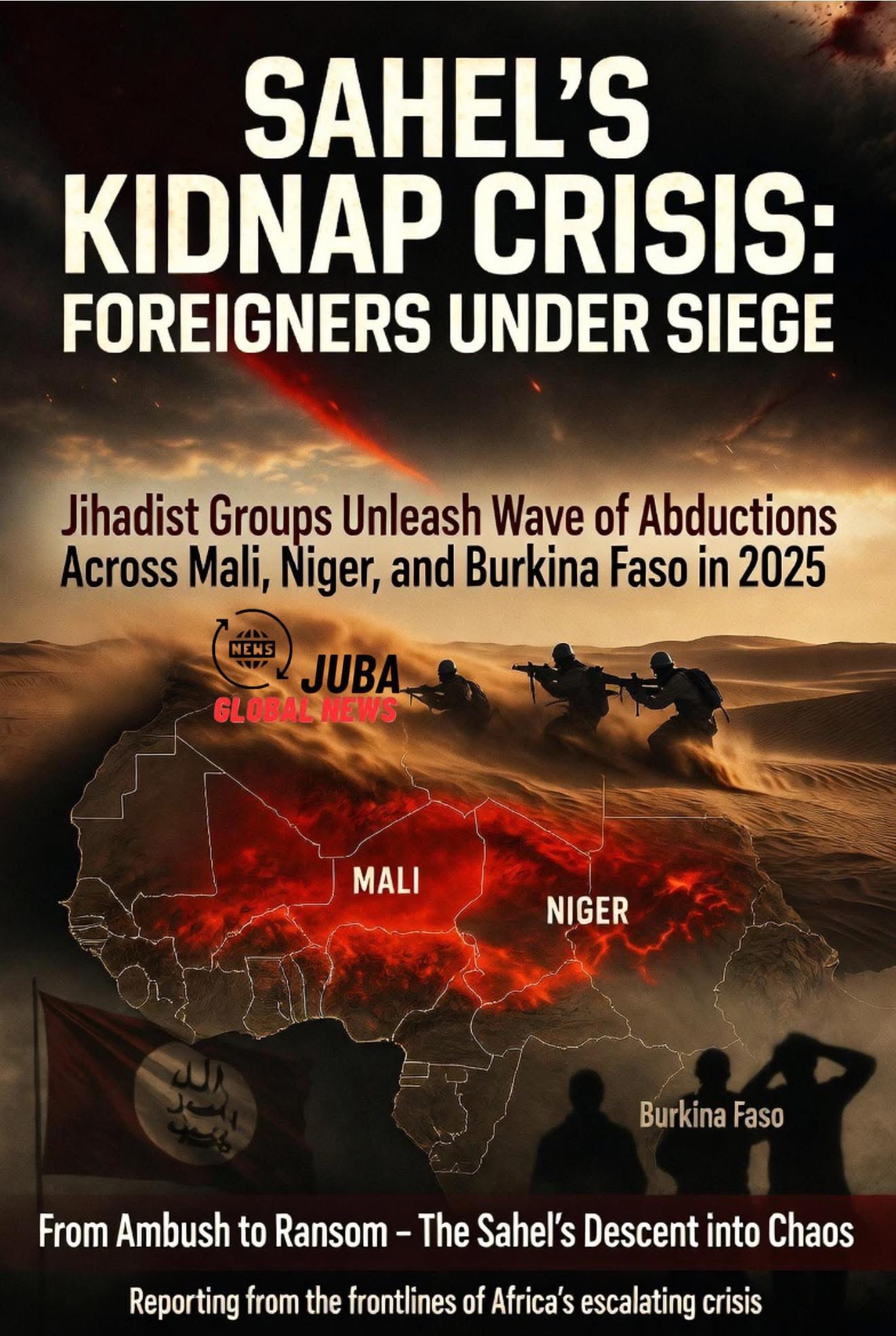
The vast, arid expanses of West Africa’s Sahel region — stretching across Mali, Niger, Burkina Faso, and into neighboring states — have long been synonymous with jihadist insurgencies, porous borders, and collapsing state authority. But in 2025, a chilling new chapter unfolded: the kidnapping of foreign nationals surged to unprecedented levels, making it one of the worst years on record for such abductions across the continent.
According to data tracked by the Armed Conflict Location & Event Data Project (ACLED), an independent global conflict monitor, there were at least 30 separate kidnapping events targeting foreigners in Mali and Niger alone by the end of November 2025 — with the full-year tally likely higher. By year’s end, ACLED recorded at least 56 abduction events involving foreign nationals in these two countries, accounting for around 70% of all foreign kidnapping cases documented across Africa that year.
The spike wasn’t random. It reflected deepening insecurity, evolving jihadist tactics, and a deliberate shift toward “economic warfare” by armed groups desperate for funding amid weakened international counterterrorism efforts.
The Faces Behind the Numbers: High-Profile Cases That Shocked the World
Many incidents drew international headlines. Foreign aid workers, expatriate miners, construction engineers, and even tourists became prime targets. Chinese nationals — often working in gold-rich areas of southwestern Mali — made up around 40% of high-profile cases, followed by Indians (about 15%) involved in energy and infrastructure projects. Other victims included Europeans, Americans, and locals from neighboring countries mistaken for foreigners.
One emblematic case involved a Serbian national abducted in late 2025 while working on a project in Mali; his ordeal mirrored dozens of others where victims were snatched from remote sites, vehicles, or hotels. Ransoms — sometimes in the millions — funded weapons, fighters, and propaganda. But as one ACLED analyst noted, the abductions served broader goals: intimidating expatriate communities, disrupting foreign investment, and pressuring governments into concessions or payouts.
The primary perpetrator? Jama’at Nusrat al-Islam wal-Muslimin (JNIM), Al-Qaeda’s dominant Sahel affiliate, which orchestrated the majority of the surge. JNIM’s attacks swept across Burkina Faso, Mali, and Niger throughout 2025, expanding territory and exploiting the withdrawal of foreign forces (notably French troops) and fractured regional alliances.
Islamic State Sahel Province (ISSP) also contributed, with a notable early-2025 wave of foreign abductions — an anomaly compared to prior years’ average of just 2–4 such events annually in the central Sahel.
Why 2025? The Perfect Storm of Factors
Several converging trends fueled the explosion:
- Security Vacuum: Coups in Mali (2020–2021), Burkina Faso (2022), and Niger (2023) led to the expulsion of Western troops and intelligence support. The resulting power gaps allowed jihadists to roam freely.
- Economic Warfare: With traditional funding streams squeezed, groups turned to kidnappings as a lucrative revenue source. Ransoms from wealthy foreign governments or companies provided quick cash.
- Shift in Targets: Earlier decades saw Westerners as the go-to victims for massive payouts. By the 2020s, fewer expatriates lived or traveled in the region, so jihadists adapted — but 2025 saw a rebound in foreign targeting as Chinese and Indian investments grew in mining and infrastructure.
- New Tactics: JNIM and others used ambushes on convoys, hotel raids, and roadblocks to snatch victims quickly, often in broad daylight.
The result: entire sectors — mining, humanitarian aid, construction — became high-risk. Travel advisories from the US, UK, France, and others urged immediate evacuation from parts of Mali, Niger, and Burkina Faso.
Beyond Foreigners: The Broader Kidnapping Crisis
While foreign abductions grabbed headlines, locals suffered far worse. Jihadists, bandits, and even some state-aligned militias abducted thousands of Sahelian civilians for ransom, forced labor, or recruitment. Reports indicate abductions of locals increased twenty-fold since JNIM’s formation in 2017, turning kidnapping into an entrenched “industry” across the region.
In Nigeria’s northwest (adjacent to the Sahel), mass school abductions continued — echoing the 2014 Chibok case — with hundreds taken in single raids.
Human Cost and Global Ripples
Victims endure horrific conditions: isolation, torture, mock executions. Families face agonizing waits, sometimes paying ransoms quietly to avoid government bans on negotiations. Released hostages often speak of psychological scars that last a lifetime.
The surge has chilled foreign investment, devastated aid operations, and accelerated displacement — millions have fled Sahel violence since 2019. It also strains bilateral ties, as governments grapple with whether to pay or refuse demands.
Looking Ahead: No Easy End in Sight
As 2026 begins, the trend shows no signs of abating. Jihadist groups continue expanding southward toward coastal states like Benin and Togo. Without restored security cooperation, stronger regional forces, or addressing root causes (poverty, governance failures, climate stress), the Sahel risks becoming even more lawless.
For foreigners considering work or travel in the region, the message is stark: the risks are higher than ever. For millions of Sahelians living under perpetual threat, kidnapping is just one symptom of a deeper humanitarian and security catastrophe.
Until the international community and regional leaders mount a unified response — beyond military fixes — the abductions will continue, turning the Sahel’s red sands into a graveyard of hope.
Juba Global News Network | March 2026
