

Nigeria Overhauls Petroleum Agencies Amid Corruption Allegations: Tinubu Removes Key Officials
In a decisive move to combat entrenched corruption and inefficiency in Nigeria’s oil sector, President Bola Tinubu has sacked the heads of two critical reg
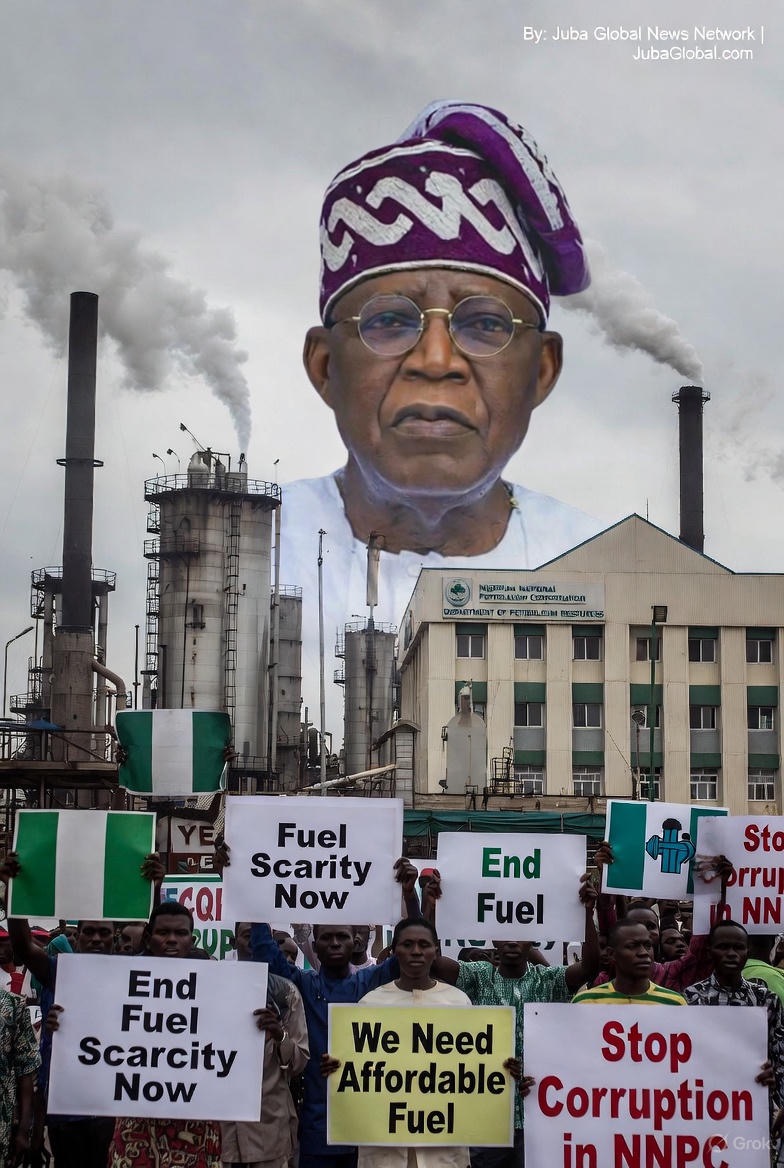
In a decisive move to combat entrenched corruption and inefficiency in Nigeria’s oil sector, President Bola Tinubu has sacked the heads of two critical regulatory bodies—the Nigerian Midstream and Downstream Petroleum Regulatory Authority (NMDPRA) and the Nigerian Upstream Petroleum Regulatory Commission (NUPRC). The announcement, made on December 18, 2025, saw the immediate removal of NMDPRA Chief Executive Farouk Ahmed and NUPRC Commission Chief Executive Gbenga Komolafe, alongside other senior executives. This shake-up, described by the presidency as a necessary step to restore transparency and efficiency, comes amid mounting allegations of graft, regulatory failures, and favoritism in one of Africa’s largest oil-producing nations.
The dismissals signal Tinubu’s intensified anti-corruption drive in the petroleum industry, a sector plagued by scandals that have cost Nigeria billions in revenue. As the country grapples with fuel subsidy removal fallout, refinery delays, and global energy transitions, these changes raise hopes for reform while sparking debates about political motivations and the path to genuine accountability.
The Dismissals: Details and Immediate Fallout
Presidential spokesman Bayo Onanuga confirmed the sackings, stating that Tinubu had directed the affected officials to hand over to their deputies pending new appointments. Farouk Ahmed, who led the NMDPRA since its inception in 2021, faced intense criticism over the handling of fuel imports, pricing discrepancies, and allegations of shielding powerful importers. Gbenga Komolafe, at the helm of the NUPRC, was accused of inefficiencies in upstream licensing and oversight failures contributing to oil theft and production shortfalls.
Other removed executives included the Executive Director of Health, Safety, Environment, and Community at NMDPRA, Ogbe Ogbene, and several commission secretaries. The presidency emphasized that the moves were part of broader efforts to align the agencies with the Petroleum Industry Act (PIA) of 2021, which unbundled the former Nigerian National Petroleum Corporation (NNPC) into commercial and regulatory entities.
Reactions were swift. Industry stakeholders welcomed the changes as overdue, while critics questioned timing—coming months after public outcries over fuel scarcity and high prices. Labor unions in the sector called for fair investigations, warning against witch-hunts.
Allegations Fueling the Shake-Up
Corruption allegations have shadowed both agencies. Ahmed was accused of conflicts of interest, with reports claiming NMDPRA under his watch favored certain importers amid the Dangote Refinery’s delayed integration into domestic supply chains. Leaked documents and whistleblower claims suggested irregularities in import licenses and quality controls, exacerbating Nigeria’s reliance on costly imports despite being a major crude producer.
For Komolafe’s NUPRC, criticisms centered on lax enforcement against oil theft—estimated to cost Nigeria up to 400,000 barrels per day—and delays in licensing rounds. The 2024 marginal fields bid round faced lawsuits over alleged opacity, with accusations that connected firms received preferential treatment.
Broader sector woes include the NNPC’s opaque finances, with Tinubu previously ordering audits revealing multibillion-dollar discrepancies. The president’s subsidy removal in May 2023, while aimed at freeing funds for development, led to skyrocketing pump prices and public hardship, amplifying calls for accountability in regulatory bodies.
Tinubu’s Reform Agenda and Broader Context
Since assuming office in 2023, Tinubu has positioned anti-corruption and economic diversification as pillars of his “Renewed Hope” agenda. The PIA was intended to attract investment, but implementation has been uneven. Oil production hovers below OPEC quotas at around 1.4 million barrels per day, hampered by theft, aging infrastructure, and community unrest in the Niger Delta.
The sackings align with recent actions: appointing new NNPC leadership and pushing for local refining via the Dangote facility. Analysts view them as efforts to assert control over a sector dominated by vested interests, potentially paving the way for mergers or further restructuring of the agencies.
However, skeptics point to political undertones. Some dismissed officials were holdovers from the Buhari era, and regional balancing—common in Nigerian appointments—may play a role in replacements.
Implications for Nigeria’s Oil Sector and Economy
As Africa’s largest oil exporter, Nigeria’s petroleum industry accounts for over 80% of export revenue and 90% of foreign exchange. Efficient regulation is crucial for attracting the $15–20 billion annual investment needed to boost production to 2 million barrels per day.
Positive outcomes could include streamlined licensing, reduced theft through better oversight, and smoother integration of private refineries. The Dangote Refinery, Africa’s largest, has faced regulatory hurdles; clearer leadership might accelerate its full domestic impact, potentially stabilizing fuel prices.
Challenges remain: entrenched cartels, judicial delays in corruption cases, and global shifts toward renewables pressure Nigeria to diversify. Tinubu’s administration has courted investors with incentives, but trust hinges on transparent governance.
Looking Ahead: Hope or More of the Same?
As of December 19, 2025, interim leaders steer the agencies, with permanent appointments expected soon. Civil society groups like BudgIT and Transparency International hail the moves but demand independent probes and asset declarations for new appointees.
For ordinary Nigerians enduring high fuel costs and economic strain, these changes offer cautious optimism. If followed by prosecutions and systemic reforms, they could mark a turning point. Yet, history is littered with unfulfilled anti-corruption promises in the sector—from the Malabu scandal to subsidy frauds.
Tinubu’s bold step underscores the high stakes: reform the oil industry, or risk perpetuating a cycle of waste that has long hindered Nigeria’s potential. As the world watches Africa’s energy giant navigate turbulence, the true test will be whether these dismissals translate into tangible benefits—or merely musical chairs in a deeply flawed system. For now, the overhaul signals intent; delivery will define legacy.
