

AFCON 2025 Preparations Reach Fever Pitch: Teams Finalize Squads as Morocco Gears Up to Host Continental Showpiece
As the countdown to the 2025 Africa Cup of Nations (AFCON) enters its final weeks, excitement across the continent is palpable. Scheduled to kick off on De
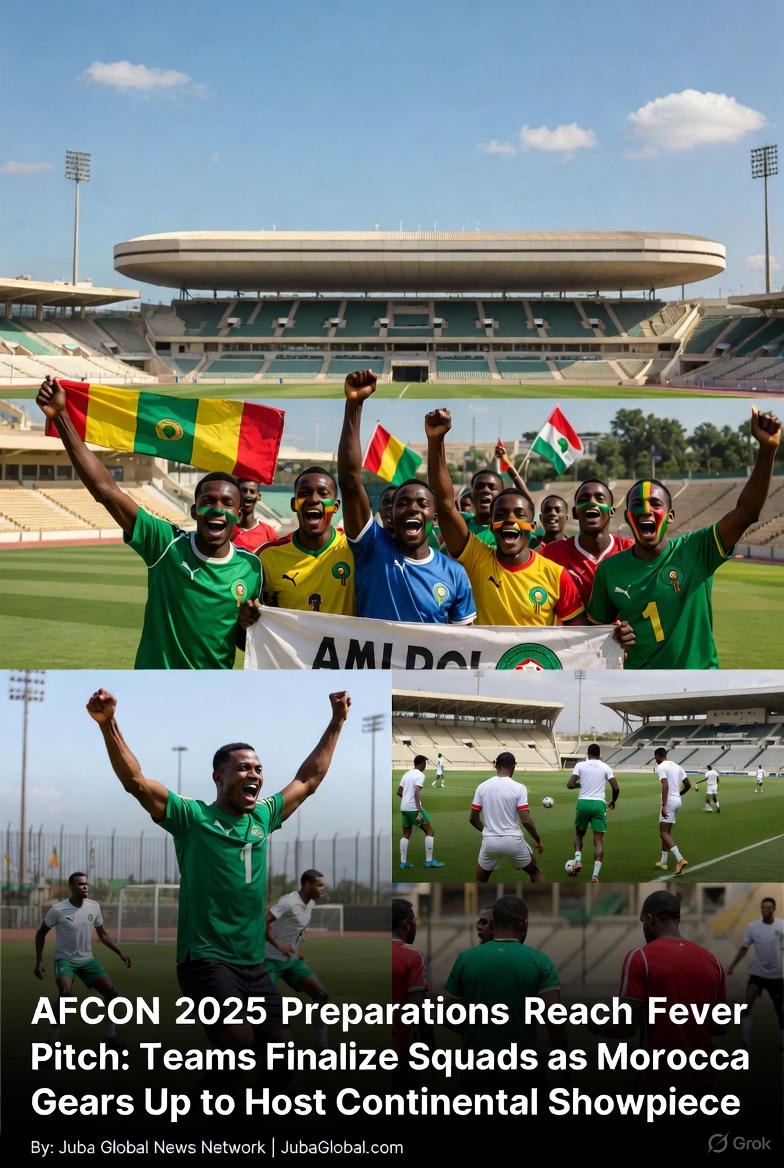
As the countdown to the 2025 Africa Cup of Nations (AFCON) enters its final weeks, excitement across the continent is palpable. Scheduled to kick off on December 21, 2025, and run through January 18, 2026, in Morocco, this edition marks the tournament’s return to a winter slot after recent summer iterations disrupted European club schedules. With 24 nations vying for glory, preparations are intensifying: national teams are in training camps, finalizing squads, and navigating last-minute injuries, while host Morocco invests heavily in infrastructure to deliver a memorable spectacle. Dubbed the “jewel of African football,” AFCON 2025 promises high-stakes drama, emerging talents, and fierce rivalries amid a backdrop of continental pride.
Host Nation Morocco: High Expectations and Robust Preparations
Morocco, awarded hosting rights in 2023 after Guinea’s withdrawal, enters as both organizer and favorite. The Atlas Lions, semi-finalists in the 2022 FIFA World Cup and runners-up in AFCON 2021, boast a golden generation featuring stars like Achraf Hakimi (Paris Saint-Germain), Hakim Ziyech (Galatasaray), and Sofyan Amrabat (Fenerbahçe). Coach Walid Regragui has emphasized unity and ambition, with the team training in Rabat ahead of their opener against Tanzania on December 21 at Stade Ibn Batouta in Tangier.
Infrastructure upgrades have been massive: six venues—including the revamped Stade Mohammed V in Casablanca and the new Ibn Batouta—meet FIFA standards, with capacities ranging from 45,000 to 88,000. Morocco’s experience co-hosting the 2030 World Cup has accelerated developments, including high-speed rail links and enhanced security protocols. King Mohammed VI has rallied national support, framing the tournament as a showcase of Moroccan hospitality and organizational prowess.
Key Contenders and Squad Highlights
Defending champions Côte d’Ivoire aim to retain their title, relying on veterans like Sébastien Haller and emerging talents from their triumphant 2023 campaign. Nigeria’s Super Eagles, three-time winners, arrive with a revamped squad under coach José Peseiro’s successor, featuring Victor Osimhen (Napoli’s goal machine) and Ademola Lookman (Atalanta’s star). Final preparations in Abu Dhabi focused on tactical cohesion amid high expectations from passionate fans.
Senegal, 2021 champions, lean on Sadio Mané (Al-Nassr) and Kalidou Koulibaly, despite recent inconsistencies. Egypt, record seven-time winners, pin hopes on Mohamed Salah (Liverpool), whose form could define their campaign. Algeria, Cameroon, and Ghana round out the traditional powerhouses, each blending experience with youth.
Dark horses include DR Congo (with Yoane Wissa shining) and South Africa (Bafana Bafana seeking redemption post-2023 semi-final exit). Debutants or underdogs like Tanzania and Mozambique add unpredictability.
Injury concerns loom: Nigeria’s Osimhen recovered from a recent knock, while Morocco monitors Noussair Mazraoui’s fitness. Squad announcements in mid-December sparked debates, with exclusions like Algeria’s Riyad Mahrez (retired internationally) making way for fresh blood.
Predictions and Player Spotlights
Analysts favor Morocco, citing home advantage and squad depth, with odds placing them ahead of Senegal and Egypt. Group stages promise thrills: Group A features Morocco, DR Congo, Tanzania, and Congo; Group B pits Egypt against Ghana, Cape Verde, and Mozambique.
Players to watch:
- Victor Osimhen (Nigeria): The reigning African Footballer of the Year, poised for a breakout tournament.
- Mohamed Salah (Egypt): Seeking his first AFCON title in what could be his final shot.
- Achraf Hakimi (Morocco): Dynamic full-back capable of game-changing moments.
- Emerging Stars: Lamine Camara (Senegal), Simon Adingra (Côte d’Ivoire), and Ibrahim Adel (Egypt).
Pundits predict high-scoring affairs, with attacking football trending post-2022 World Cup influences.
Broader Significance: Football’s Role in Unity and Development
Beyond the pitch, AFCON 2025 symbolizes resilience. Delayed from 2024 due to club commitments, it highlights ongoing tensions between CAF and European leagues over player release. Prize money has increased, with winners pocketing $7 million, boosting investment in grassroots football.
Economically, Morocco anticipates a tourism surge, with millions expected to travel. Socially, the tournament fosters pan-African unity, transcending borders amid continental challenges.
As of December 19, 2025, final friendlies conclude, and teams arrive in Morocco. From Durban to Dakar, fans gear up—jerseys sold out, viewing parties planned. AFCON remains Africa’s heartbeat: unpredictable, passionate, and profoundly unifying. Whether Morocco claims a second title or an underdog triumphs, the 2025 edition promises to etch new legends into football folklore. The beautiful game awaits its continental coronation.
