

DRC’s Sky War Escalates: Record Aerial Strikes Hammer M23 Rebels Around Rubaya’s Coltan Riches as Drones Redefine Eastern Congo’s Battlefields
In February 2026, the Democratic Republic of Congo’s armed forces (FARDC) unleashed the highest number of air and drone strikes ever recorded in a single m
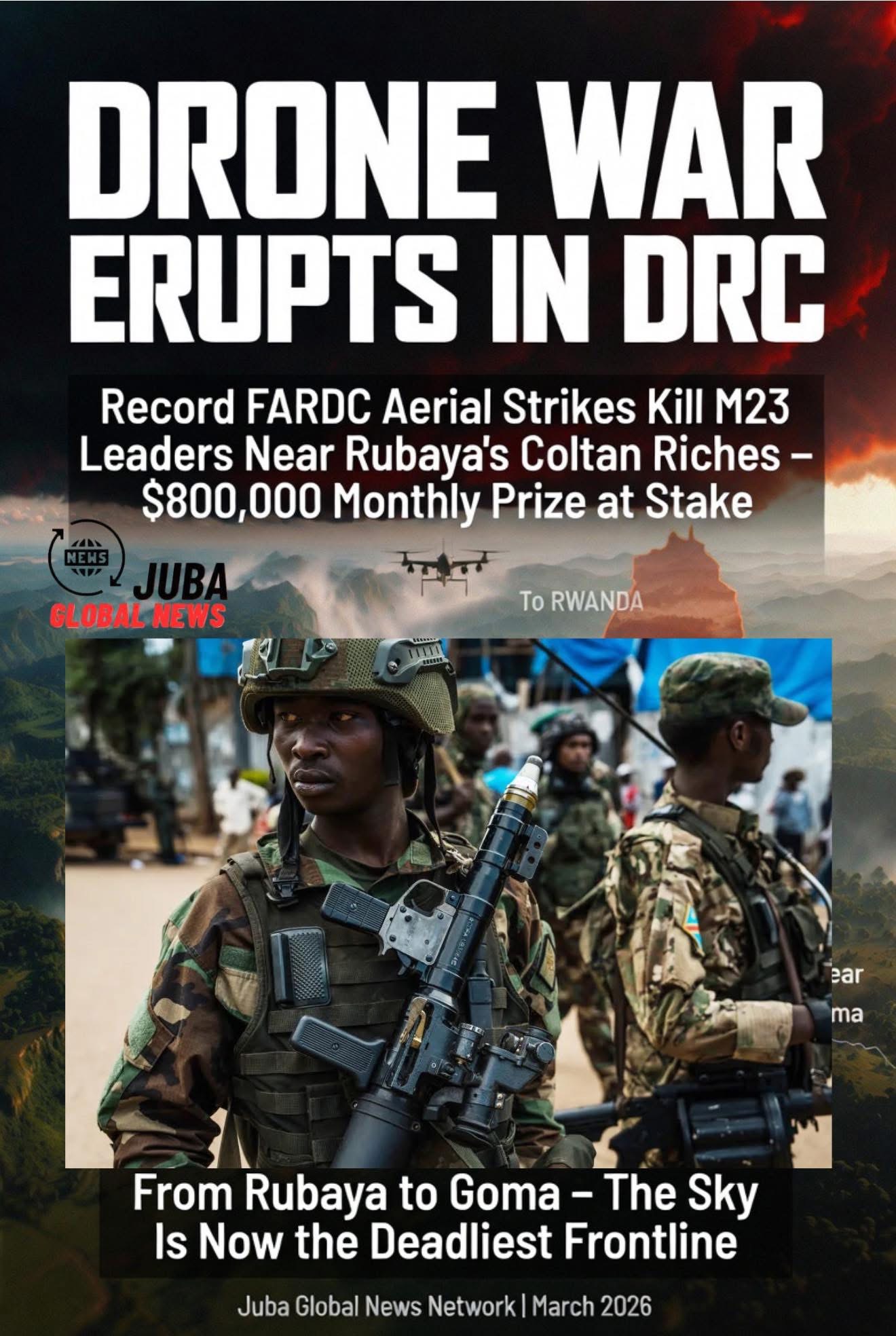
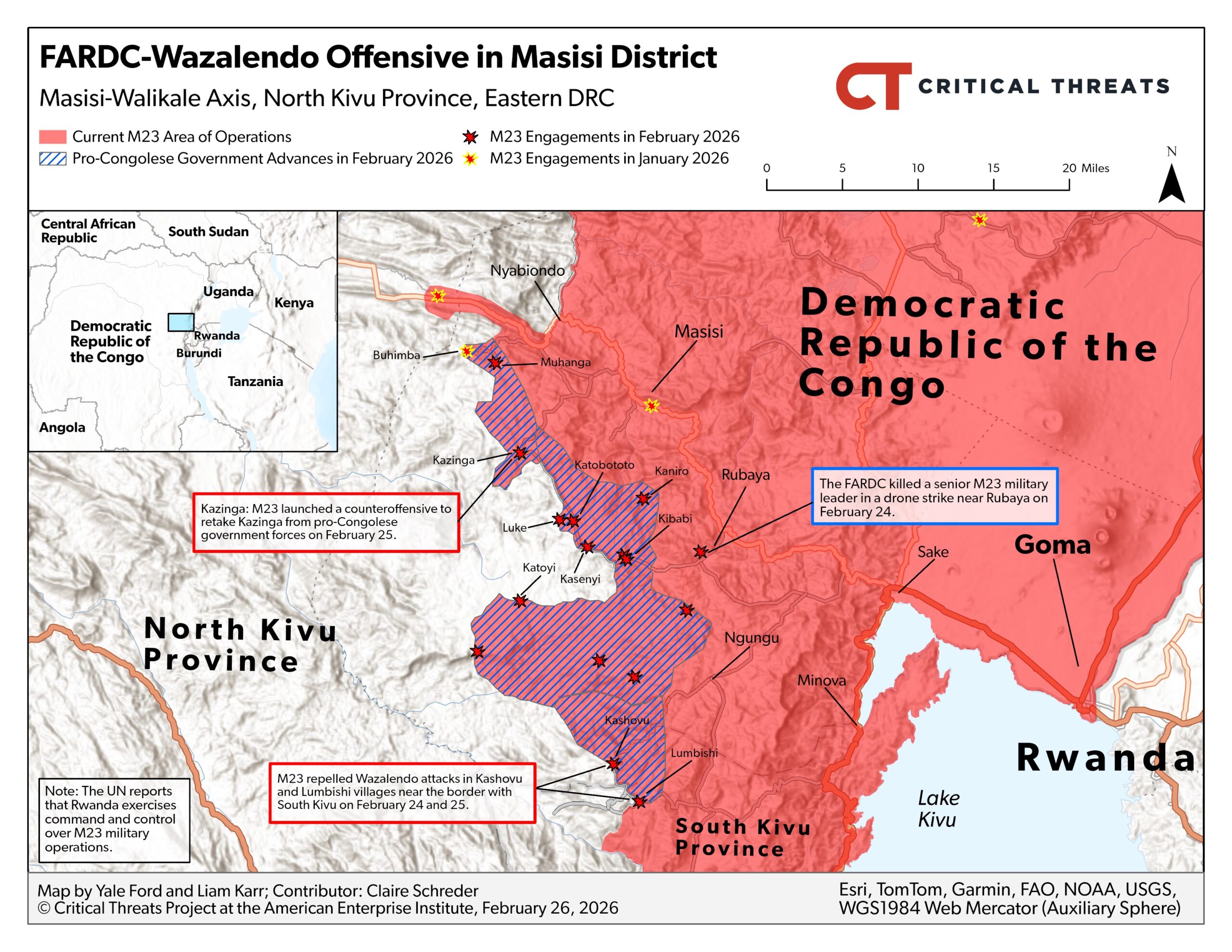
In February 2026, the Democratic Republic of Congo’s armed forces (FARDC) unleashed the highest number of air and drone strikes ever recorded in a single month — a dramatic escalation in the long-running war against the Rwanda-backed March 23 Movement (M23) rebels. The deadliest blow came on 24 February when a Congolese drone slammed into a position near Rubaya in Masisi territory, North Kivu, killing M23 military spokesperson Willy Ngoma and several high-ranking rebel leaders. Rubaya is no ordinary village: it sits atop one of the world’s richest coltan deposits, producing up to 15% of global supply — the mineral that powers smartphones, laptops, and electric vehicles worldwide.
Record Strikes, Precision Kills: The New Face of Warfare in North Kivu
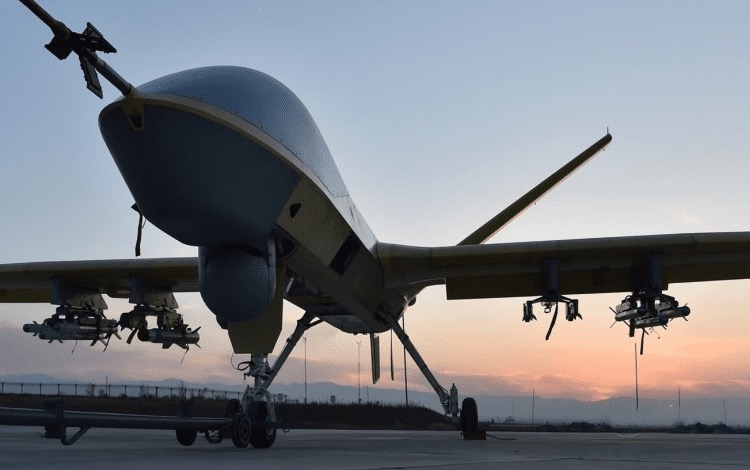
According to the Armed Conflict Location & Event Data Project (ACLED), the FARDC’s aerial campaign has transformed the battlefield. Dozens of strikes targeted M23 positions around Rubaya, Masisi, and nearby mining zones throughout February. The 24 February drone attack — carried out with Chinese CH-4 or Turkish TB2 systems acquired in recent years — not only eliminated Ngoma (a veteran M23 figure sanctioned by the UN and EU) but narrowly missed the group’s overall military commander Sultani Makenga.
M23 has hit back in kind. The rebels launched kamikaze drones against FARDC’s main air base at Kisangani and claimed responsibility for a deadly strike in Goma that killed a French UN aid worker and civilians — the first such attack on the city since M23 seized it last year. Both sides now operate in the skies, turning eastern DRC into Africa’s newest drone-war laboratory.
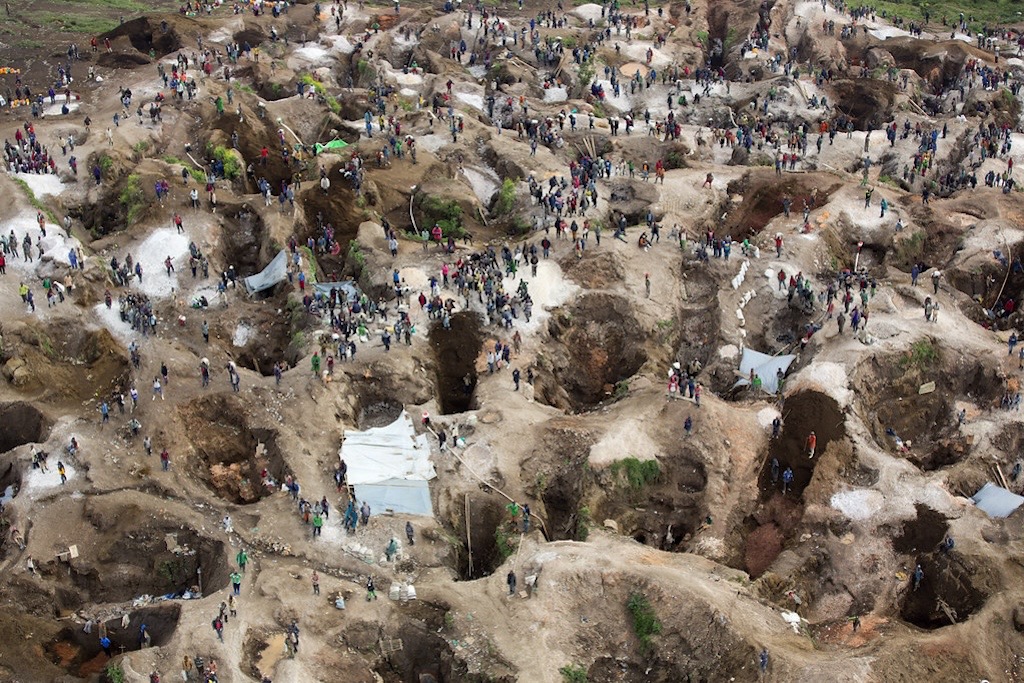
Rubaya: The $800,000-a-Month Prize
Control of Rubaya is worth far more than symbolism. The mine generates at least $800,000 in monthly revenue for whoever holds it — money that funds weapons, fighters, and political ambitions. M23 has held the area for months, using the coltan wealth to sustain its offensive. FARDC’s intensified strikes are clearly aimed at breaking that economic lifeline while supporting ground advances by pro-government Wazalendo militias.
The fighting has spilled across multiple fronts: Masisi-Walikale axis, Mwenga, and even toward South Kivu borders. FARDC and allied militias have clawed back several positions, but M23 counter-attacks have been fierce, with both sides accusing the other of ceasefire violations amid fragile Qatar-mediated peace talks.
The Human Cost: Civilians Caught in the Crossfire
Aerial warfare brings new dangers. Strikes have hit near populated areas, raising fears of civilian casualties. The Goma drone incident — which M23 blamed squarely on FARDC — sparked protests and international outrage. In Rubaya itself, artisanal miners and local communities live under constant threat: one wrong move near a rebel position can bring a drone overhead.
The broader conflict has already displaced millions. North Kivu’s mountainous terrain — lush green hills, deep valleys, and volcanic soil — now hides trenches, checkpoints, and drone launch sites.
M23 Fighters: Battle-Hardened and Well-Equipped
M23 — officially the March 23 Movement — draws from Tutsi communities and claims to defend against ethnic persecution. UN experts and multiple governments accuse Rwanda of providing direct military support, including troops, advanced weapons, and now counter-drone systems. Rebel fighters, often seen in camouflage with modern rifles and rocket launchers, have proven resilient despite the aerial pounding.

Why This Escalation Matters — And What 2026 May Bring
Analysts say the surge in aerial operations reflects Kinshasa’s strategy: use technology to compensate for ground-force weaknesses while pressuring M23’s funding sources. Yet the campaign risks escalating the war further. M23’s drone counter-attacks show they are adapting fast. Ceasefire talks remain stalled, and a new U.S. minerals cooperation deal with Congo has added another layer of international stakes — Rubaya’s coltan is literally on the table.
As ACLED’s March 2026 overview warns, eastern DRC is witnessing a “surge in aerial warfare” that is reshaping the entire conflict. More drones in the sky mean more deaths on the ground — rebel commanders, miners, civilians, and aid workers alike.
The red-earth hills around Rubaya are quiet at night now, but the hum of drones is never far away. For the people of North Kivu, the sky that once brought rain now brings death from above. Until the root causes — mineral greed, ethnic tensions, and foreign meddling — are tackled head-on, the drones will keep flying and the body count will keep rising.
Juba Global News Network | March 2026
