Islamic State Announces ‘New Phase’ of Operations in Syria: Claims Recent Attacks on Syrian Army Forces Amid Post-Assad Instability
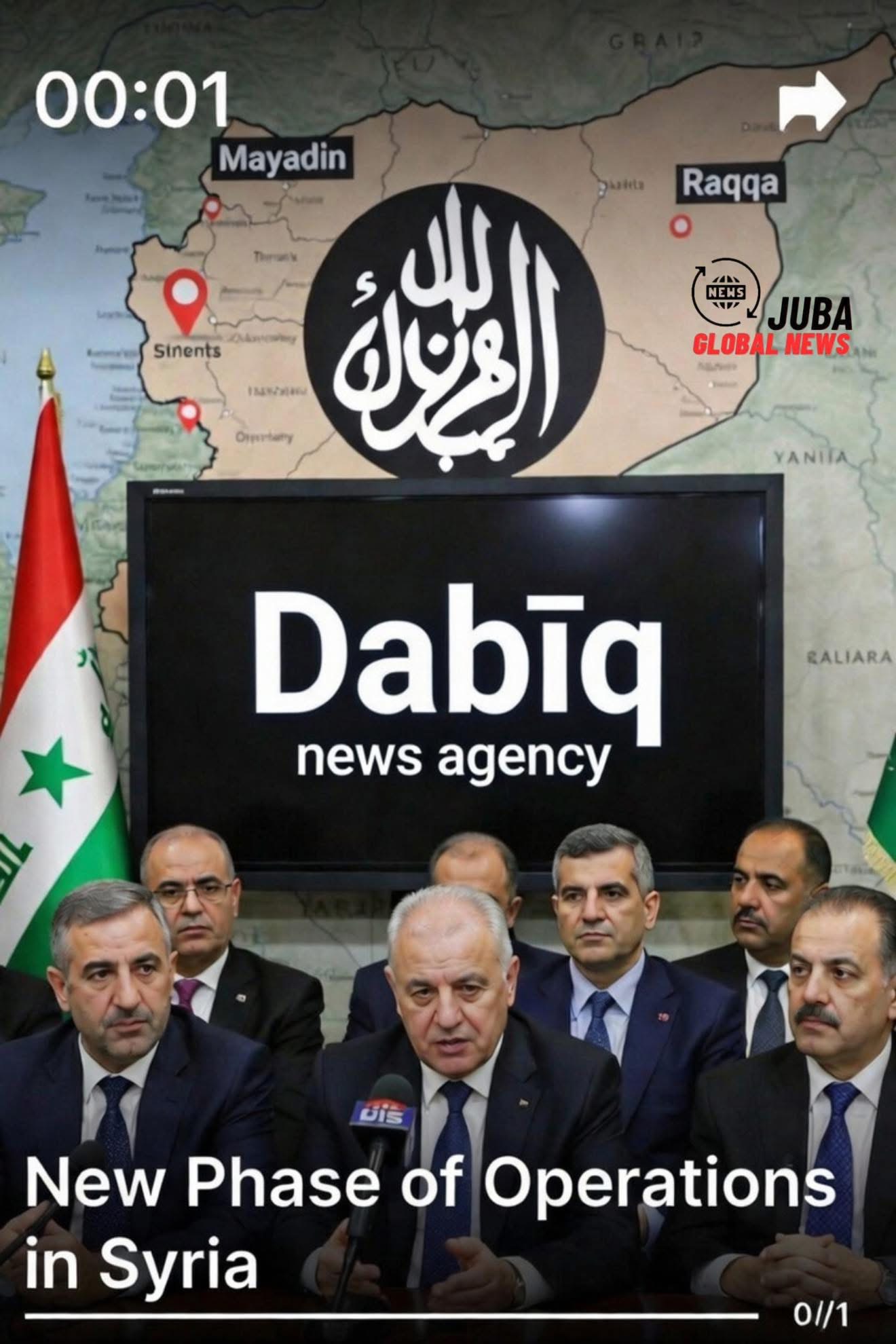
On Saturday, February 21, 2026, the Islamic State (IS, also known as ISIS or Daesh) declared the start of a “new phase of operations” in Syria through its official propaganda outlet, Dabiq news agency. The announcement came alongside claims of responsibility for two separate attacks targeting Syrian army personnel in northern and eastern regions, signaling a renewed push against the country’s transitional leadership under President Ahmed al-Sharaa. The developments highlight the persistent threat posed by the jihadist group in a Syria still reeling from the fall of Bashar al-Assad in late 2024 and ongoing security vacuums.
The Claimed Attacks: Details and Casualties
According to IS’s statement, fighters carried out precision strikes:
- In Mayadin, Deir al-Zor province (eastern Syria), an IS operative used a handgun to target and kill “an individual of the apostate Syrian regime”—identified as a Syrian army soldier.
- In Raqqa (northern Syria), militants attacked two additional army personnel with machine guns.
Syria’s Ministry of Defense confirmed casualties from “unknown assailants” on the same day, reporting that a soldier from the army’s 42nd Division and a civilian were killed in separate incidents. A military source corroborated that the Deir al-Zor victim was a government soldier. The attacks followed a similar claim by IS just two days earlier (February 19), when the group took responsibility for killing a member of the Interior Ministry’s internal security forces and wounding another in Deir al-Zor.
These incidents represent a sharp uptick in IS activity against Syrian government targets since the post-Assad transition. The group has framed the new Syrian leadership—headed by al-Sharaa, a former al-Qaeda figure who led anti-Assad coalitions—as merely a shift from “Iranian occupation” to “Turkish-American occupation,” dismissing al-Sharaa as a “watchdog” for the global coalition and vowing his fate would mirror Assad’s.
Context: IS Resurgence in a Fragmented Syria
The Islamic State’s territorial “caliphate” was defeated in 2019, with the loss of its last stronghold in Baghouz. However, the group never fully disappeared, maintaining sleeper cells and conducting low-level insurgent attacks, particularly in the Syrian desert (Badiya) and eastern provinces like Deir al-Zor. The ouster of Assad in late 2024 created new opportunities: power vacuums, shifting alliances, and reduced foreign military footprints have allowed IS to exploit instability.
Recent months have seen intensified operations. U.S. Central Command (CENTCOM) conducted multiple retaliatory airstrikes in early 2026, including 10 strikes on over 30 IS targets between February 3–12, and earlier waves in January following a December 2025 ambush that killed U.S. personnel in Palmyra. Operation Hawkeye Strike, launched in response, has reportedly killed or captured over 50 IS fighters and destroyed weapons caches.
The new Syrian government, which joined the U.S.-led Global Coalition to Defeat ISIS in late 2025, has taken steps to assume primary responsibility for counter-ISIS efforts. U.S. forces are in a phased withdrawal from Syria—described as “conditions-based” and consolidating rather than fully exiting—amid assurances that Damascus will combat remaining threats. However, critics warn that reduced U.S. presence could embolden IS resurgence, especially as the transitional authorities focus on consolidating power and integrating disparate militias.
Propaganda and Strategic Messaging
IS’s spokesperson, in an audio release accompanying the claims, urged global followers to attack Jewish and Western targets while intensifying pressure on the Syrian regime. The rhetoric positions the group as the true defender of jihad against “apostate” rulers, rejecting the legitimacy of al-Sharaa’s government and the international coalition.
Analysts note that declaring a “new phase” is classic IS propaganda: it aims to project strength, rally supporters, and exploit perceptions of weakness in the new Syrian order. While IS lacks the capacity for large-scale territorial control, its ability to conduct assassinations, ambushes, and bombings keeps it relevant as an insurgent threat.
Broader Implications for Regional Security
The attacks underscore ongoing instability in Syria’s east and north, areas long contested by various actors—including Kurdish-led Syrian Democratic Forces (SDF), Turkish-backed groups, and now central government forces. With U.S. troop reductions underway and coordination with Damascus evolving, the risk of IS exploiting gaps remains high.
International partners, including the U.S., continue strikes and intelligence sharing, but the transitional government’s capacity to sustain pressure on IS cells is untested. Human rights groups and security experts warn that any resurgence could lead to renewed atrocities, displacement, and threats beyond Syria’s borders.
As IS signals escalation, the coming months will test whether the post-Assad era brings genuine stability or opens doors for jihadist revival.
By: Juba Global News Network | JubaGlobal.com
Compiled from reports by Reuters, Al-Monitor, i24NEWS, The National, Al Arabiya, CENTCOM statements, and other sources as of February 22, 2026.