

Ukraine’s Demographic Catastrophe: A Nation Grappling with Widows, Orphans, and a Shrinking Future
As Russia’s full-scale invasion enters its fifth year in February 2026, Ukraine faces what leading demographers call one of the world’s most severe populat
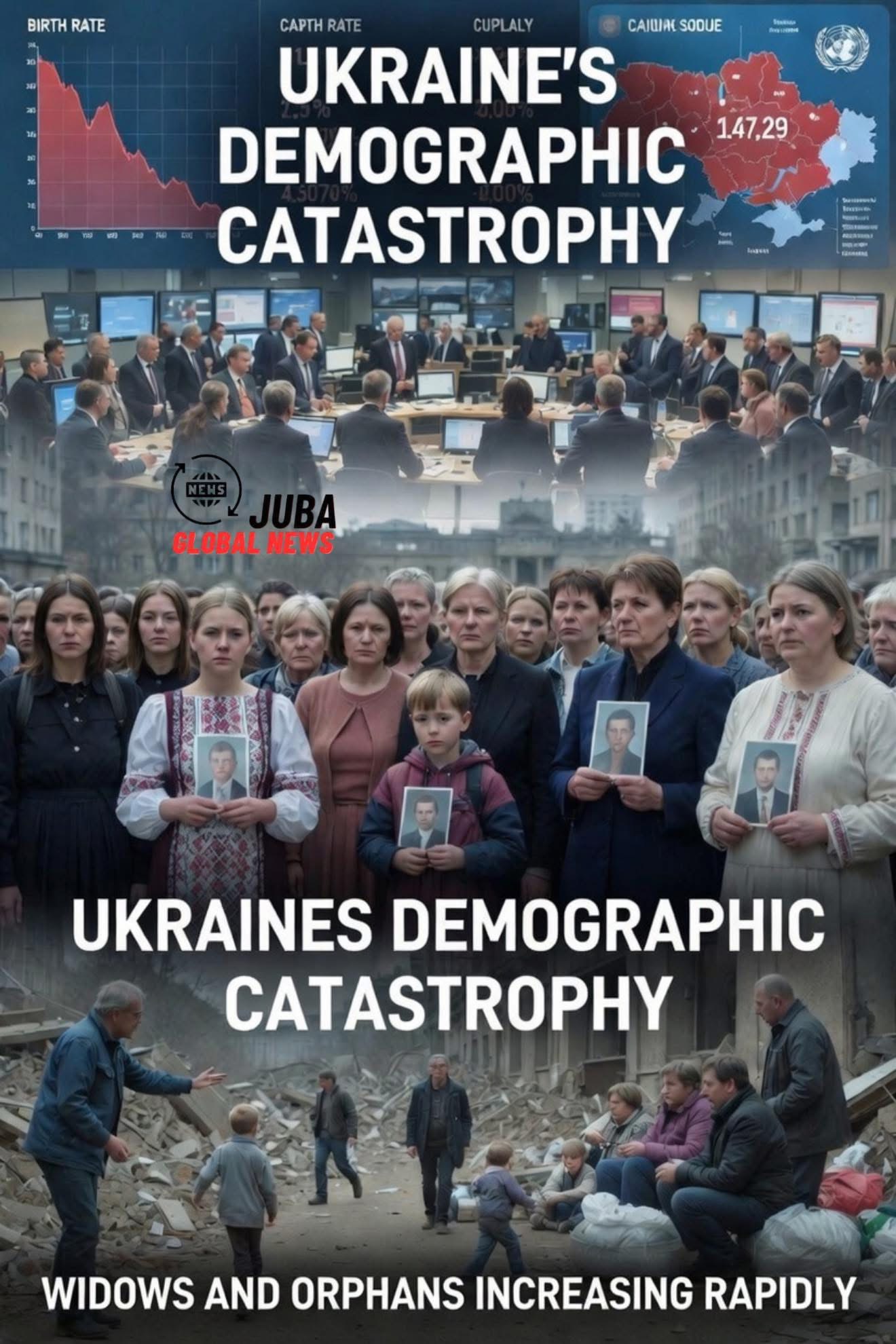
As Russia’s full-scale invasion enters its fifth year in February 2026, Ukraine faces what leading demographers call one of the world’s most severe population crises in modern history. The war has accelerated a pre-existing demographic decline—low birth rates, aging population, and emigration—into a full-blown catastrophe. With mounting battlefield losses, millions displaced abroad, and fertility rates in freefall, Ukraine is rapidly becoming a nation defined by widows and orphans, where entire generations are scarred and the very survival of the Ukrainian gene pool is at stake.
The Numbers Behind the Crisis
Ukraine’s population has plummeted dramatically since 2022. Pre-war estimates placed it around 41-44 million; today, reliable figures hover between 29-35 million, factoring in deaths, emigration, and occupied territories. The United Nations and Ukrainian experts project continued sharp decline without major intervention.
Birth rates have collapsed to historic lows. Many couples delay or abandon plans for children due to constant shelling, blackouts, economic hardship, and psychological trauma. Fertility challenges are rising—stress, poor nutrition, and health issues from prolonged conflict contribute. A new state program, passed in recent months, funds sperm and egg freezing for frontline troops, reflecting official recognition that “the Ukrainian gene pool is dying,” as one soldier told BBC reporters. The initiative stemmed partly from cases where war widows were blocked from using frozen sperm of deceased husbands due to legal hurdles.
Casualties compound the issue. While exact figures remain classified, Western intelligence and open-source estimates suggest tens of thousands of Ukrainian soldiers killed, many in their prime reproductive years. Demographer Ella Libanova, a leading voice on the issue, described it bluntly to CNN: “It’s a catastrophe.” Most fallen fighters are married with children, leaving behind a growing cohort of widows and fatherless kids. Official data shows over 59,000 children already in adoptive or guardianship families without biological parents, a number rising steadily.
Millions more have fled as refugees, many settling permanently in Europe. This brain drain and family separation further hollows out the population pyramid, leaving an inverted structure: fewer young people supporting a larger elderly and dependent group.
Stories from the Front Lines of Grief
Across Ukraine, personal testimonies paint a heartbreaking picture. In Kyiv, three widows—Oksana Borkun, Yulia Selutina, and Olena Biletska—formed a support network after losing husbands to the war. They share stories of grief, financial strain, and raising children alone while helping others navigate bureaucracy for benefits and psychological aid. “Sharing helps us heal and rebuild,” one said, highlighting community resilience amid despair.
In displaced communities, widowed mothers like Helena from Horlivka rebuild from scratch after losing husbands and homes. She now raises two young sons with church and community support, but the emotional toll is immense. Veterans’ families face similar struggles: physical injuries, PTSD, and economic precarity leave widows managing households alone.
UN reports highlight the gendered impact. 2025 was the deadliest year yet for women in the conflict, with over 5,000 confirmed killed and 14,000 injured since 2022 (likely undercounts). Funding cuts threaten services for survivors of sexual violence and displaced women, projecting 63,000 losing access in 2026.
Programs like Caritas Ukraine’s “Side by Side” support veterans and families through rehabilitation, psychological care, and livelihoods—often veteran-to-veteran. Yet housing remains acute: four million need long-term solutions after repeated displacement.
Broader Implications: Survival of a Nation
This crisis threatens Ukraine’s future viability. Conscripting older men risks creating more dependent widows and orphans reliant on state aid. Younger recruits mean fewer workers and fathers. The economy strains under emigration and war damage, with taxes from a shrinking workforce funding pensions and aid.
Experts warn of long-term consequences: inverted demographics, labor shortages, and social strain. Initiatives like fertility preservation aim to mitigate, but they address symptoms, not root causes—ongoing war, insecurity, and economic devastation.
As one demographer noted, every soldier lost is not just a tragedy but a blow to national continuity. Widows and orphans embody the human cost, their resilience a testament to Ukraine’s spirit, yet their growing numbers signal an existential challenge.
International support—humanitarian, reconstruction, and security—remains vital. Without sustained peace efforts and aid, Ukraine’s demographic winter could deepen, threatening the nation’s ability to rebuild and thrive.
By: Juba Global News Network | JubaGlobal.com
Compiled from reports by CNN, BBC, UN Women, Mezha Media, Responsible Statecraft, and official Ukrainian sources as of February 22, 2026.
