SSPLM Leader Condemns South Sudan–Russia Oil Arrangement as Government Presents It as a Historic Step
Opposition chairman Dr Deng Bol Aruai Bol has called the preliminary transfer of former Petronas interests in DPOC and GPOC to Russia's Zarubezhneft illegal and urged its suspension, while the Presidency presents the Moscow signing as a...
Opposition chairman Dr Deng Bol Aruai Bol has called the preliminary transfer of former Petronas interests in DPOC and GPOC to Russia's Zarubezhneft illegal and urged its suspension, while the Presidency presents the Moscow signing as a historic opening for deeper cooperation. No price or final terms have been disclosed.
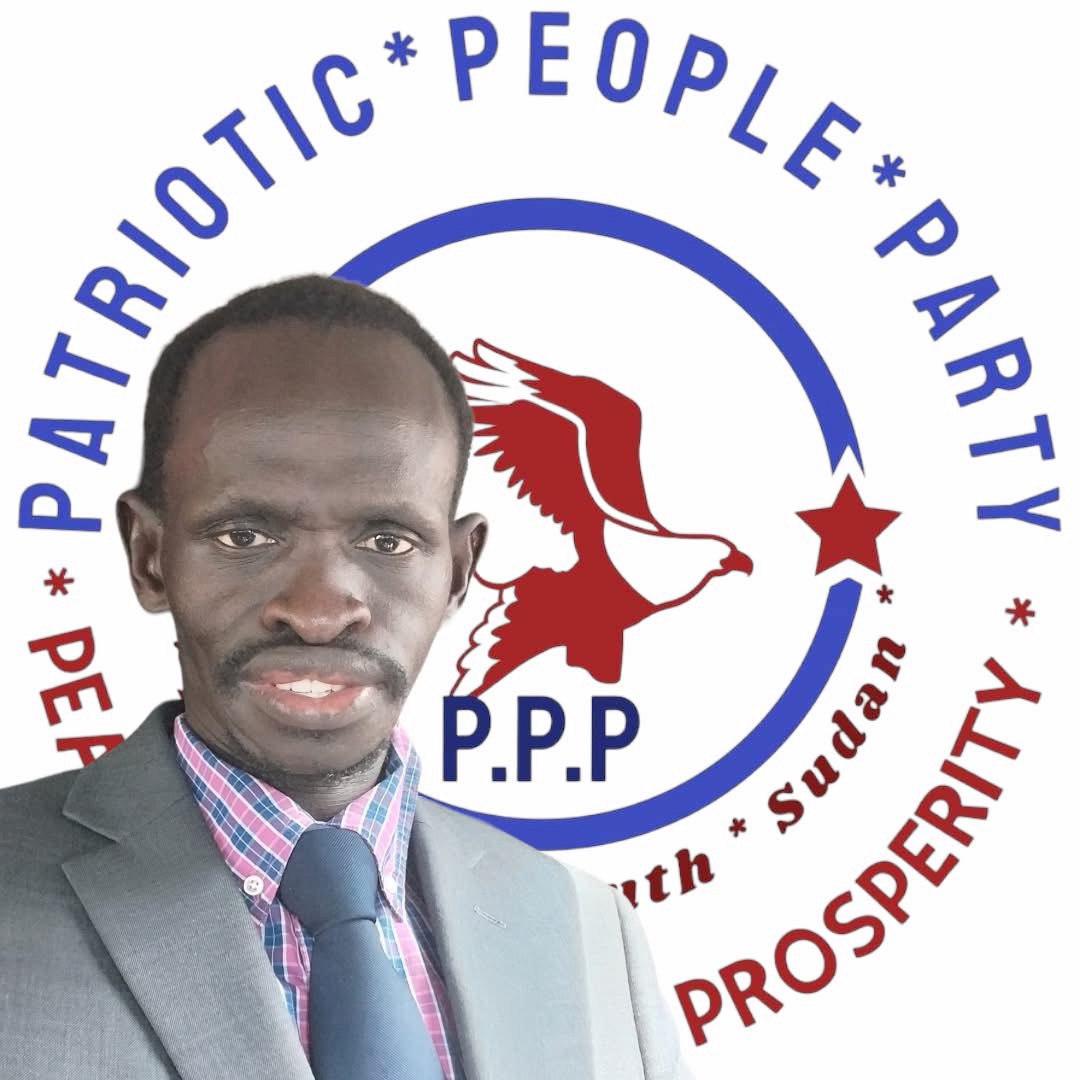
JUBA — The chairman of the opposition South Sudan People's Liberation Movement (SSPLM), Dr Deng Bol Aruai Bol, has strongly condemned the preliminary arrangement announced by the Office of the President to transfer former Petronas interests in the Dar Petroleum Operating Company (DPOC) and the Greater Pioneer Operating Company (GPOC) to Russia's Zarubezhneft, calling for the transaction to be suspended. Financial and other details of the arrangement have not been disclosed by either side.
According to the Presidency's announcement, a Memorandum of Understanding and a Letter of Acceptance were signed in Moscow on 29 October 2026, after senior officials from the Ministry of Petroleum, the Nile Petroleum Corporation (NilePet) and Zarubezhneft met at the Ministry of Energy of the Russian Federation. The meeting was co-chaired by South Sudan's Minister of Petroleum, Awow Daniel Chuang, and Russia's Minister of Energy, Sergey Tsivilev, and took place on the sidelines of the third Russia–Africa Summit, which South Sudan attended from 26 to 31 October.
The Presidency presented the step in expansive terms. Kiir's press unit said South Sudan had taken a major step towards expanding its oil partnership with Russia, and that the proposed transaction "is viewed as a historic development for both countries, opening the way for deeper economic, technical, cultural, and investment cooperation between South Sudan and the Russian Federation." The arrangement is preliminary: no transaction price, final ownership arrangement or completion date has been announced. Since the Moscow signing, the Presidency has also said the caretaker cabinet endorsed a wider strategic partnership framework with Russia — again without publishing the text of the agreement.
Deng Bol, a political leader and former child soldier who led the Red Army Foundation from 2012 to 2022 and is currently in exile, set out a sharply different view. He said oil resources must serve the public interest. "Yet 21 years under Salva Kiir tell a different story: war, displacement, unpaid salaries, failing public services, and widespread hardship despite the country's oil wealth," he wrote. "His administration must account for past revenues, accumulated debts, and obligations against future production before making further commitments."
His objection is also constitutional and political. The SSPLM, he said, rejects the legitimacy of the administration in Juba, arguing: "Following the dissolution of the transitional government on 22 September 2026, we contest its mandate to govern and enter lasting resource agreements on behalf of South Sudan. Continued control of state offices does not resolve that challenge." He cited Article 172 of the Transitional Constitution, which places ownership of petroleum and gas in the people of South Sudan and requires their management for public benefit, arguing that "signing agreements abroad cannot replace accountability at home."
Deng Bol called on the Russian Federation and Zarubezhneft to suspend the transaction. "They must recognise that the administration's legitimacy is contested and establish lawful ownership, the signatories' authority, and compliance with mandatory approvals before proceeding," he said. "We demand disclosure of the signed documents, financial terms, liabilities, and commitments against future oil revenues. Any agreement concluded without lawful authority or required approvals must be declared null and void through the appropriate legal process." He also urged political parties, civil society, professional bodies, oil-producing communities and other stakeholders to condemn the arrangement and demand independent scrutiny, saying the people of South Sudan must not bear further obligations while past failures remain unaccounted for.
The stakes are large because of what the two consortia produce. The Malaysian state-owned company Petronas held a 40 percent interest in DPOC, which operates Blocks 3 and 7 in Upper Nile State, and a 30 percent stake in GPOC, which operates Blocks 1, 2 and 4 in Unity State and Ruweng, before withdrawing from South Sudan in 2024. Oil remains the backbone of government revenue, funding public services and peace initiatives, which is why the identity of the partner taking over such significant shares — and the terms on which it does so — attracts scrutiny well beyond the oil sector.
Two positions now stand side by side. The government presents a preliminary partnership with a major Russian state oil company as a historic opening that can deepen economic and technical cooperation. The SSPLM presents the same papers as an unauthorised commitment of a national resource and demands disclosure and suspension. What would narrow the distance between those accounts is information neither side has yet published: the signed documents themselves, the financial terms, and the approvals relied upon. Until those are public, the arrangement remains what both announcements agree it is — preliminary, and contested.
Source: Juba Global News Network.