Kenya and South Sudan Officials Strengthen Cross-Border Peace, Livestock Protection and Shared Resources at Lokichoggio
A joint workshop in Lokichoggio, opened by Budi County Commissioner Emilio Lomilo Longereja and his Kenyan counterpart Paul Kipsigei Kemey, brought Natural Resource Management committees from Budi, Kapoeta East and Turkana together to map...
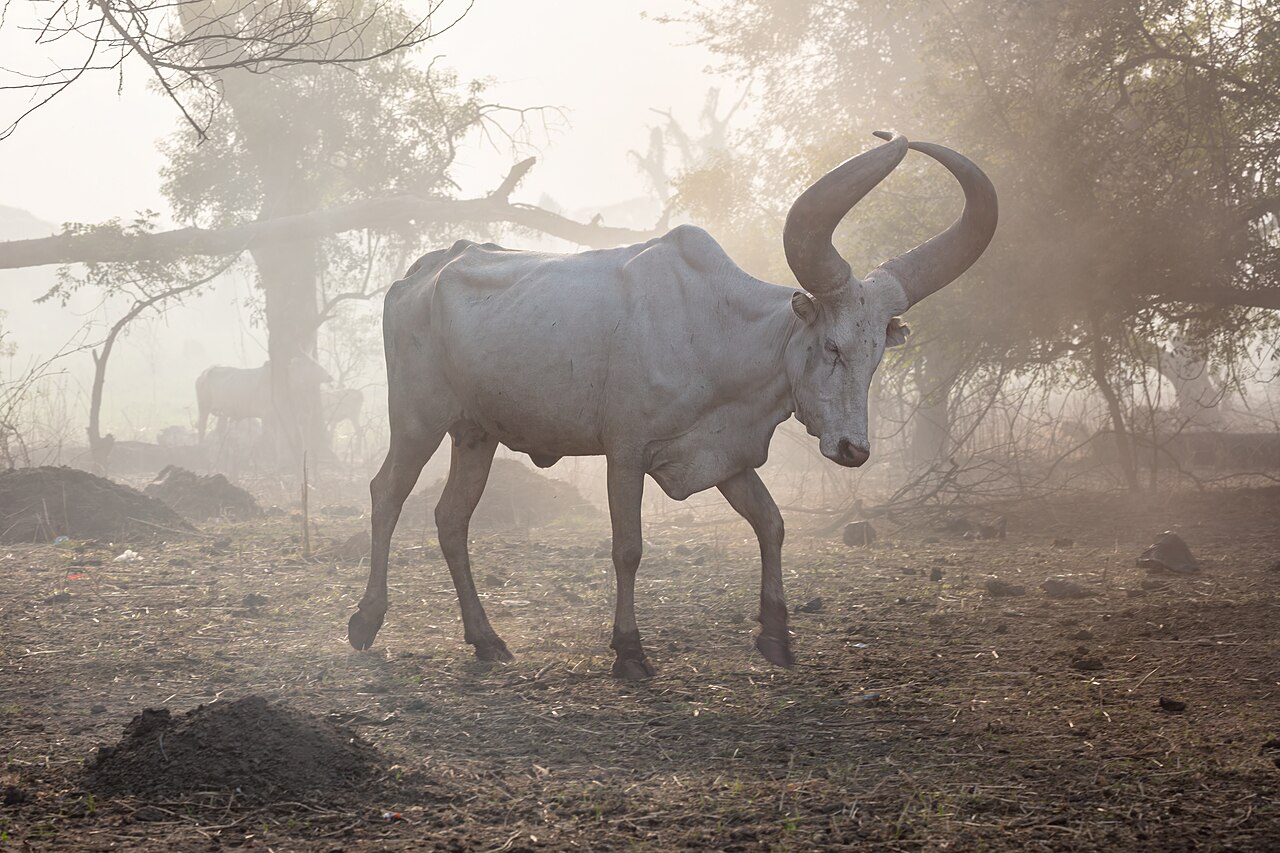
A joint workshop in Lokichoggio, opened by Budi County Commissioner Emilio Lomilo Longereja and his Kenyan counterpart Paul Kipsigei Kemey, brought Natural Resource Management committees from Budi, Kapoeta East and Turkana together to map migration routes, manage shared water and grazing, and protect livestock.
LOKICHOGGIO — Government officials from South Sudan and Kenya have reaffirmed their commitment to cross-border peace, livestock protection and the sustainable management of shared natural resources, following the opening of a joint workshop in Lokichoggio on Monday. The workshop was officially opened by Budi County Caretaker Commissioner Emilio Lomilo Longereja and Lokichoggio Deputy County Commissioner Paul Kipsigei Kemey.
The meeting brought together Natural Resource Management (NRM) committees from Budi and Kapoeta East counties in Eastern Equatoria State, South Sudan, and from Turkana County in Kenya. These committees work at community level on the questions that most often spark conflict along the border: where herds may graze in the wet and dry seasons, how shared water points are used, how livestock movements are regulated, and how disputes are settled before they turn violent.
Speaking at the opening, Deputy County Commissioner Kemey said peaceful coexistence and healthy livestock were essential to improving animal production, strengthening the regional economy and promoting cross-border trade. "Healthy livestock and sustained peace between Kenya and South Sudan are key to boosting animal production, strengthening our economy and promoting trade among our communities," he said. He added that sustained peace between the two neighbouring countries would create opportunities for pastoralist communities, improve children's access to education and strengthen economic cooperation.
Kemey pledged his full support and cooperation with the NRM committees and the local authorities in Budi and Kapoeta East to ensure the initiative succeeds for the benefit of pastoralist communities on both sides of the border. He also commended Commissioner Longereja for recent efforts in recovering stolen livestock and returning the animals to their rightful owners in Turkana, describing the gesture as an important contribution to cross-border peace and trust. In border areas where a single raid can undo months of calm, the prompt return of stolen animals is one of the most practical confidence-building measures officials can take.
The workshop is facilitated by Roots of Generation (ROG) in partnership with the Turkana Pastoralist Development Organisation (TUPADO), and is funded by the European Union. According to the facilitator, the meeting aims to assess the achievements and challenges facing the NRM committees, promote experience-sharing between the two countries and map seasonal livestock migration routes. Participants are also discussing practical approaches to managing shared natural resources, including developing and enforcing community bylaws, identifying wet- and dry-season grazing areas, regulating livestock movements and managing shared water points to prevent disputes.
In his remarks, Commissioner Longereja thanked his Kenyan counterpart and the other officials for the warm reception and hospitality extended to the South Sudanese delegation. He reaffirmed Budi County's commitment to peaceful coexistence and cross-border cooperation, pledging that the county would continue welcoming Turkana and Toposa pastoralists to access grazing resources. "Budi County will continue to host both Turkana and Toposa pastoralists because peaceful coexistence and cooperation are essential for the survival and prosperity of our communities," he said.
The border country shared by Turkana, Toposa and Didinga communities has long been marked by competition over pasture and water, cattle raiding and the movement of herds across an international boundary that pastoralist life does not naturally observe. Regional initiatives, including East African Community peace work among the Ateker border communities, have promoted dialogue, confidence-building and sustainable conflict resolution, with attention to land, resource sharing and security coordination to curb rustling and cross-border attacks.
The Lokichoggio workshop is expected to strengthen collaboration between community leaders and local authorities in addressing resource-based conflicts, protecting livestock and promoting peaceful relations among pastoralist communities along the Kenya–South Sudan border. Its test will be practical: agreed migration routes respected in the dry season, water points shared without dispute, stolen animals recovered and returned, and committees able to resolve the next disagreement by talking. On Monday, at least, officials on both sides were publicly committed to exactly that.
Source: Juba Global News Network.