

Severe Weather Warnings Grip KwaZulu-Natal Coast: Heavy Rain and Flash Flood Risks Prompt High Alert
As South Africa enters the peak of the summer festive season, residents along the KwaZulu-Natal (KZN) coastline face heightened anxiety with the issuance o
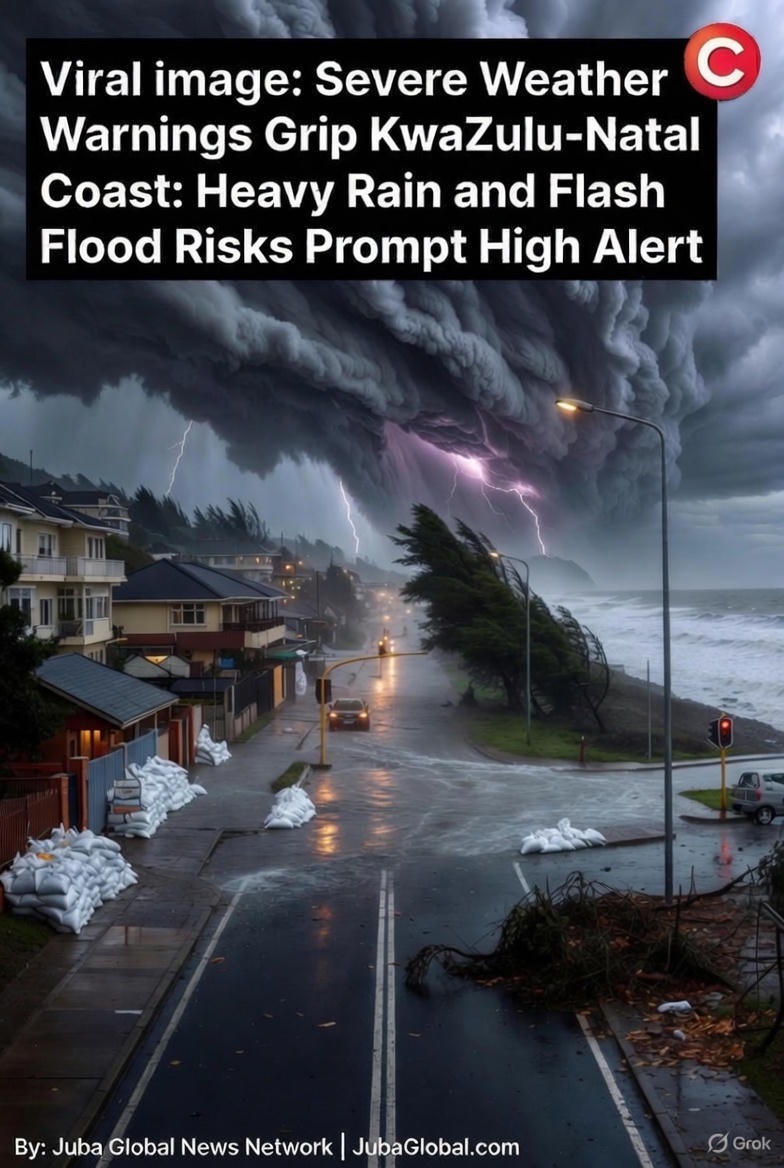
As South Africa enters the peak of the summer festive season, residents along the KwaZulu-Natal (KZN) coastline face heightened anxiety with the issuance of severe weather warnings for heavy rainfall and potential flash floods. On December 17–18, 2025, the South African Weather Service (SAWS) escalated alerts to Orange Level 5 for parts of the province, signaling significant risks of disruptive thunderstorms, strong damaging winds, excessive lightning, hail, and flooding of roads, settlements, and low-lying areas. Coastal regions from Port Shepstone to Richards Bay remain particularly vulnerable, with forecasts predicting continued heavy downpours into December 19 and beyond, potentially causing widespread disruptions during a time when holiday travel peaks.
This latest bout of extreme weather follows a pattern of intense storms that battered KZN earlier in the month, underscoring the province’s vulnerability to climate-driven extremes and raising questions about preparedness amid the joyous buildup to Christmas and New Year celebrations.
The Warnings: Details and Expected Impacts
SAWS issued the high-level alerts on December 17, with an Orange Level 5 warning targeting western and northern KZN, while a Yellow Level 2 alert covered coastal stretches. Forecasters warned of thunderstorms capable of dumping heavy rain, leading to flash flooding in susceptible areas, low-lying bridges, and informal settlements. Damaging winds could down trees and power lines, hail might damage vehicles and crops, and excessive lightning posed risks to life and property.
By December 18, coastal residents received specific advisories for ongoing heavy downpours, with disaster management teams urging vigilance. Impacts could include:
• Flooded roads causing traffic chaos
• Disruptions to public transport
• Power outages
• Potential isolation of communities
Low-lying areas near rivers and estuaries faced the highest risks. Earlier storms on December 2 had already caused extensive damage in places like Dundee, Newcastle, and Dannhauser, with hail and flooding highlighting infrastructure weaknesses.
KZN’s Department of Cooperative Governance and Traditional Affairs (CoGTA) placed teams on high alert, coordinating with municipalities to monitor hotspots and prepare for evacuations if needed. Spokesperson Senzelwe Mzila emphasized proactive measures, including clearing drains and advising residents to avoid unnecessary travel.
A Season of Storms: Context and Patterns
December 2025 has proven unusually stormy for KZN, part of South Africa’s summer rainfall region. Early-month thunderstorms brought hail, heavy rain, and flooding, displacing families and damaging homes. The province, still recovering from those events, now contends with renewed threats just as tourists flock to beaches in Durban, Margate, and Ballito.
Climate experts link the intensity to broader patterns: a warmer atmosphere holds more moisture, leading to heavier downpours. While not every storm attributes directly to climate change, the frequency and severity align with projections for increased extreme weather in subtropical regions like KZN.
The timing exacerbates challenges. Festive travel surges, with highways like the N2 and N3 expected to carry heavy loads. Authorities, including the Road Traffic Management Corporation (RTMC), urged motorists to exercise caution, check forecasts, and delay journeys if possible.
Preparedness and Response Efforts
Provincial authorities activated disaster response protocols. CoGTA MEC Reverend Thulasizwe Buthelezi reiterated calls for caution, noting teams’ readiness to respond to incidents. Municipalities distributed sandbags in flood-prone areas and opened shelters.
SAWS advised residents to:
• Secure loose objects
• Avoid crossing flooded rivers
• Stay indoors during thunderstorms
Community alerts via SMS and social media helped disseminate information. Humanitarian organizations like Gift of the Givers stood by to assist with relief if flooding worsens.
Broader Implications for the Festive Season
As of December 19, 2025, while some rain eases in isolated areas, the coastal belt remains under watch for scattered to widespread showers. The warnings cast a shadow over holiday plans—beach outings, braais, and family gatherings could face interruptions.
Yet, they also highlight resilience. KZN has weathered severe weather before, from the devastating 2022 floods to regular summer storms. Investments in early warning systems and drainage improvements continue, though critics argue more needs doing to address vulnerabilities in informal settlements.
For now, the message is clear: stay informed, stay safe. As clouds gather over the Indian Ocean coastline, South Africans in KZN balance festive cheer with prudent preparation, hoping the storms pass without major incident. With meteorologists monitoring developments closely, the province braces for what could be a wet end to 2025—reminding all that nature’s power demands respect, even amid celebration.
