

Venezuelans React with Hope and Fear: A Nation Divided After Maduro’s Dramatic Capture
By Juba Global News Network | JubaGlobal.com January 4, 2026 As the shockwaves from “Operation Absolute Resolve” ripple across Venezuela, the nation’s 28 m

By Juba Global News Network | JubaGlobal.com
January 4, 2026
As the shockwaves from “Operation Absolute Resolve” ripple across Venezuela, the nation’s 28 million citizens grapple with a whirlwind of emotions: relief at the end of Nicolás Maduro’s 13-year rule, jubilation among his opponents, and profound anxiety over an uncertain future marked by U.S. intervention. In Caracas, streets that echoed with explosions overnight fell eerily quiet by dawn, while Venezuelan diaspora communities—from Miami to Madrid—erupted in celebration. This polarized response underscores the deep divisions sown by years of economic collapse, political repression, and mass exodus under Maduro’s regime.
The U.S.-led raid, which extracted Maduro and his wife Cilia Flores from their fortified compound at Fuerte Tiuna, has left Venezuelans navigating a fragile limbo. President Trump’s pledge to temporarily “run” the country and revive its oil sector adds layers of hope for economic recovery and fear of prolonged foreign influence.
Subdued Streets in Caracas: Fear Overshadows Relief
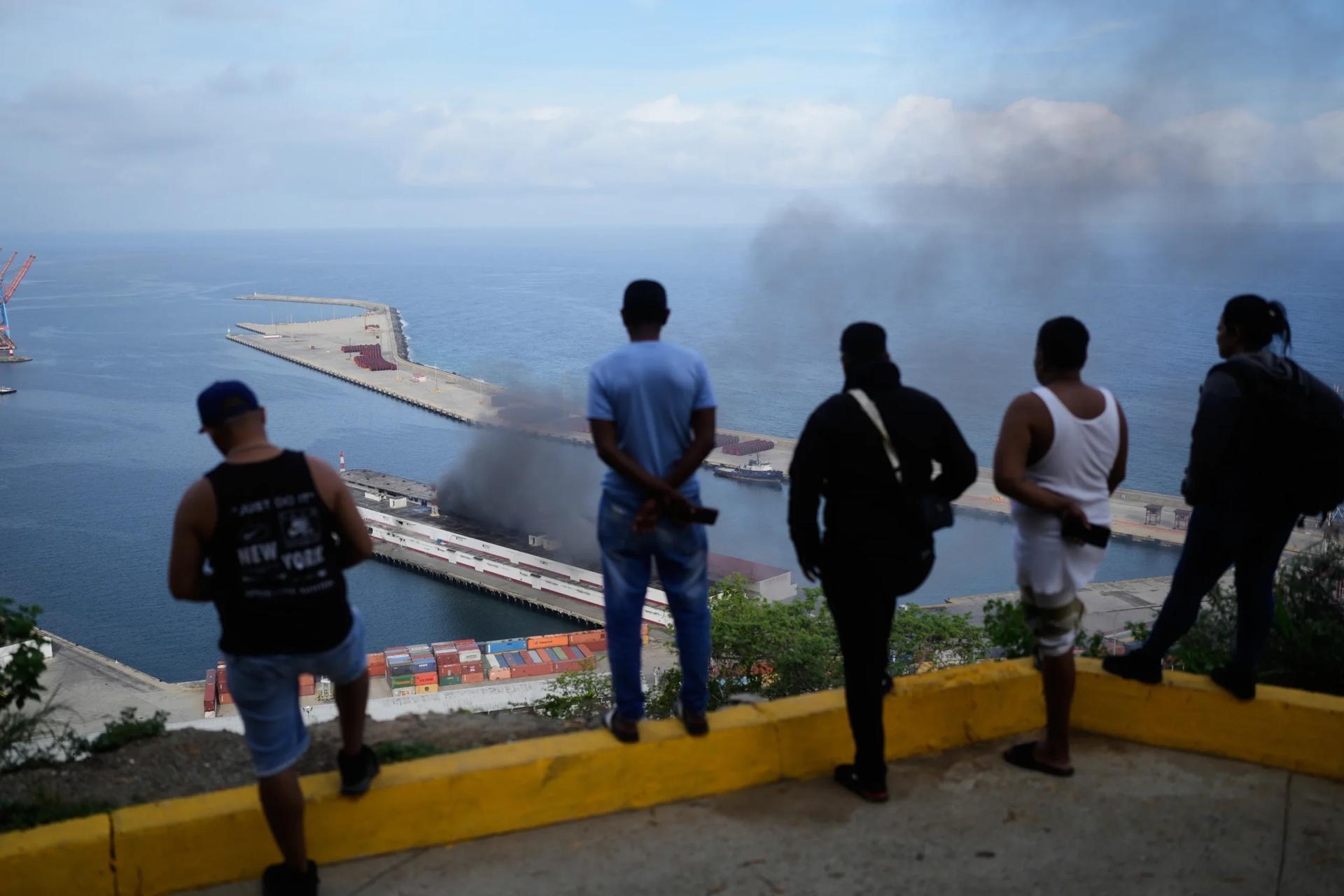
In the capital, reactions were markedly restrained. Residents awoke to debris-strewn avenues, power outages in southern districts, and the acrid smell of gunpowder lingering near military sites like La Carlota airfield. Many stayed indoors, venturing out only for essentials amid long lines at supermarkets and pharmacies.
“I see a somewhat warlike atmosphere,” one eastern Caracas driver told reporters, speaking anonymously for safety. Another resident described the morning as feeling “like a pandemic lockdown—no cars, total silence.” Pro-government armed civilians and militias patrolled some neighborhoods, while supporters gathered in small rallies, embracing tearfully and waving flags in defiance.
Yet, even among Maduro’s critics, caution prevailed. “We’re scared but hopeful,” said one Venezuelan-American with family in Caracas. A surgeon shared footage of shattered walls and shrapnel, highlighting fears of reprisals or chaos. Dina, a local speaking to the BBC under a pseudonym, expressed gratitude for Maduro’s removal—“at least I can see some light at the end of the tunnel”—but skepticism toward Trump’s promises and worry over instability.
Pro-Maduro demonstrations featured cries and embraces, with participants demanding his release and condemning the “imperialist aggression.” Venezuela’s Supreme Court swiftly named Vice President Delcy Rodríguez as interim leader, but her calls for resistance met with muted public response on largely empty streets.
Exuberant Celebrations in the Diaspora: A Long-Awaited Liberation
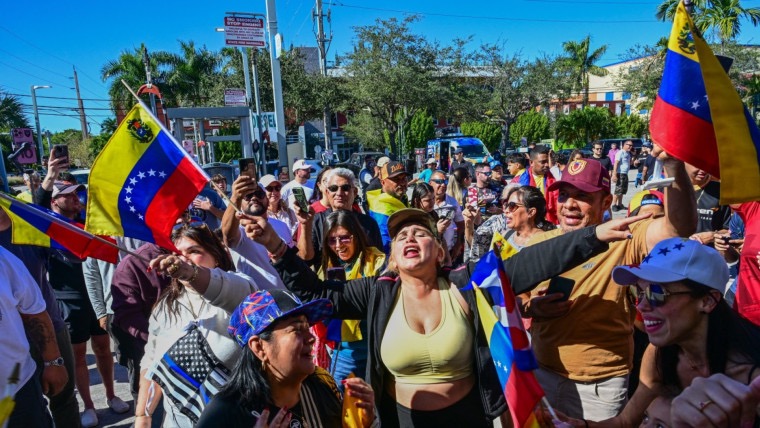
In stark contrast, Venezuelan exiles—over 8 million having fled since Maduro’s rise—poured into streets worldwide with unbridled joy. South Florida’s “Doralzuela,” home to the largest U.S. Venezuelan community, became an epicenter of festivity. Starting predawn outside El Arepazo restaurant, hundreds waved flags, honked horns, danced, and sang national anthems. “Libertad!” chants echoed as families embraced, many in tears after decades of waiting.
“We are free!” exclaimed one reveler in Santiago, Chile. Similar scenes unfolded in Madrid, Lima, Bogotá, and beyond, with migrants sharing emotional video calls home. In Miami, crowds grew through the day, blending Venezuelan and U.S. flags in gratitude toward the operation.
For many exiles, Maduro’s capture symbolized the end of a “30-year nightmare” of repression and hyperinflation. “This means everything,” said one South Florida resident. Opposition figures like María Corina Machado called for Venezuelan-led sovereignty, but the predominant mood was euphoric relief.
A Divided Nation Looks Ahead
Venezuelans’ mixed sentiments reflect broader divides: Maduro’s base views the raid as a coup, while opponents see it as deliverance—albeit controversially delivered. Trump’s oil-focused oversight plan sparks optimism for investment among some, like Dina hoping for “a better economic situation,” but dread of neo-imperialism among others.
As Rodríguez assumes interim power and Maduro faces U.S. charges, risks of power struggles, insurgency, or humanitarian fallout loom. Yet for millions, January 3 marks a potential turning point from despair to tentative hope.
Juba Global News Network brings underrepresented voices from Latin America and the diaspora to the forefront. For ongoing coverage, visit JubaGlobal.com.
