

UN Report Finds ‘Hallmarks of Genocide’ in RSF Assault on Sudan’s El Fasher
By: Juba Global News Network | JubaGlobal.com February 20, 2026 In a damning assessment released on February 19, 2026, the United Nations Independent Inter
By: Juba Global News Network | JubaGlobal.com
February 20, 2026
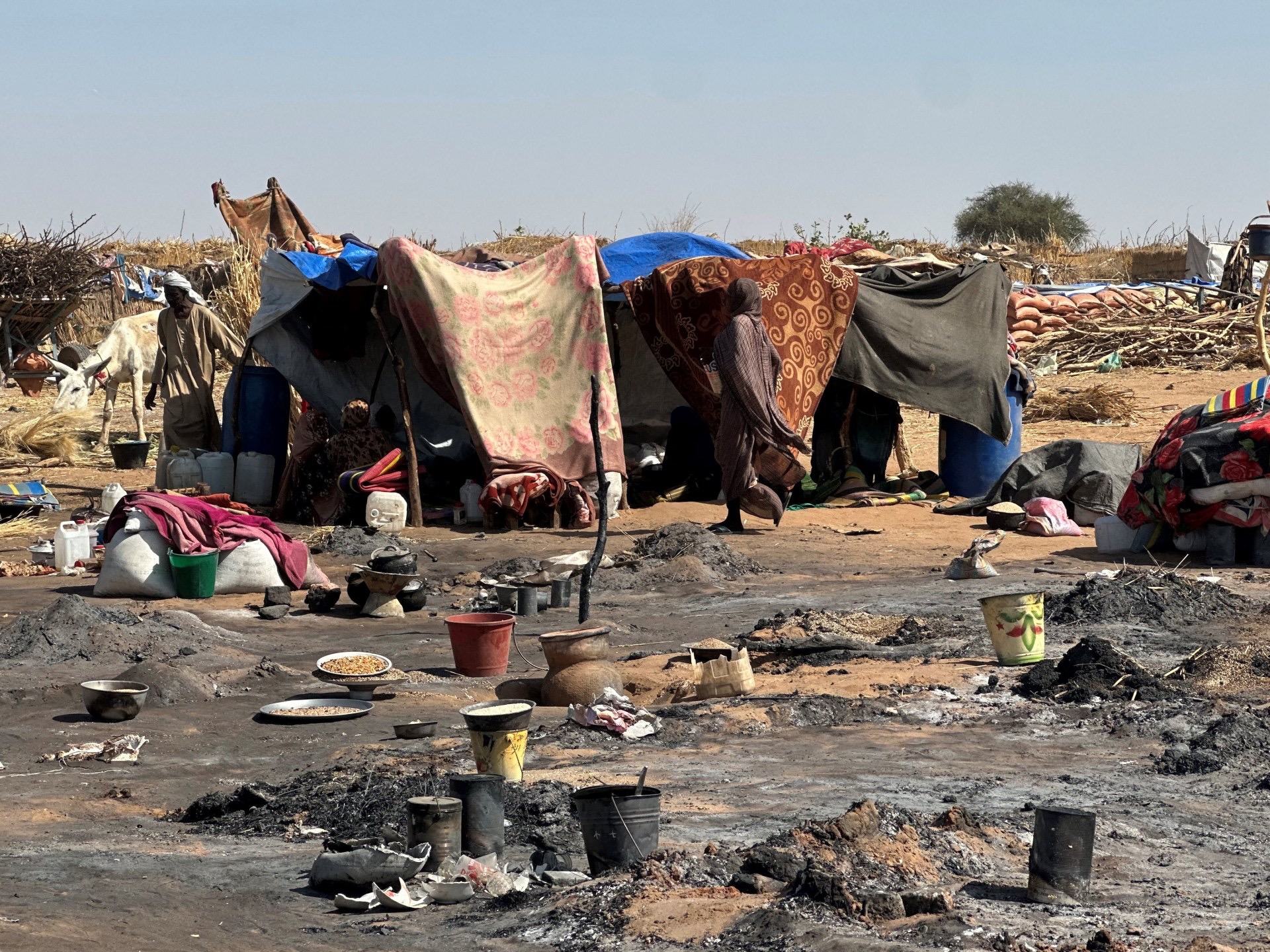
In a damning assessment released on February 19, 2026, the United Nations Independent International Fact-Finding Mission for the Sudan has concluded that the Rapid Support Forces (RSF) committed acts bearing the clear “hallmarks of genocide” during their 18-month siege and eventual capture of El Fasher, the capital of North Darfur state.
The report, titled “Sudan: Hallmarks of Genocide in El-Fasher” (UN document A/HRC/61/77), details a coordinated campaign of ethnically targeted violence against non-Arab communities, particularly the Zaghawa and Fur groups. While not a formal legal ruling of genocide by an international court, the findings establish strong evidence of genocidal intent and multiple prohibited acts under the 1948 Genocide Convention.
The mission, chaired by Mohamed Chande Othman and including expert Mona Rishmawi, based its conclusions on interviews with hundreds of survivors and witnesses, satellite imagery analysis (including from Yale University’s Humanitarian Research Lab), video evidence, and open-source data. It describes the RSF’s actions as “planned and organized,” with senior leadership publicly endorsing the operation.
The Siege: Deliberate Starvation and Deprivation
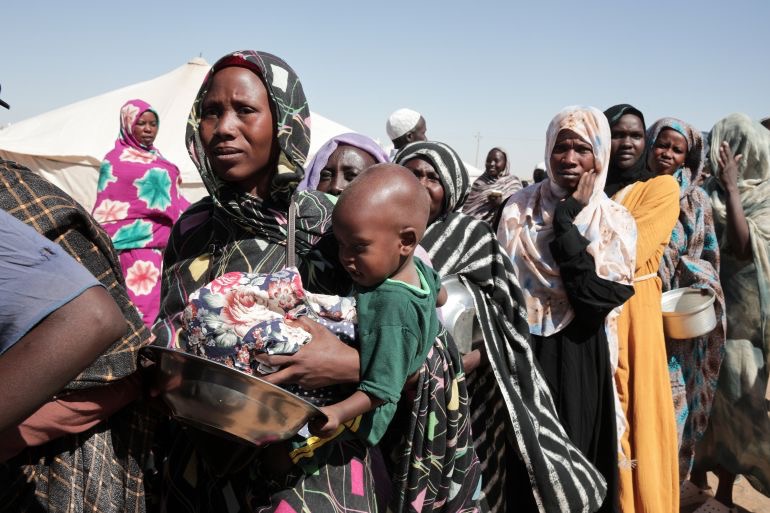
The ordeal began around May 2024, when RSF forces and allied militias encircled El Fasher—a city of roughly 260,000 residents, many already displaced from prior Darfur conflicts. For 18 months, the paramilitaries blocked food, water, medical supplies, and humanitarian aid, creating conditions “calculated to bring about the physical destruction” of targeted groups.
Civilians endured famine-like conditions, widespread disease, and death from starvation before the final assault. The siege progressively tightened, with aid convoys attacked and access routes mined or patrolled.
This deliberate deprivation formed one core genocidal act: inflicting conditions of life meant to destroy protected ethnic groups in whole or in part.
The Final Assault: Mass Killings and Widespread Atrocities
The RSF overran El Fasher on or around October 26-27, 2025, unleashing what survivors called “three days of absolute horror.” Fighters conducted door-to-door raids, summary executions at exit points, and indiscriminate shootings.
Key documented violations include:
- Ethnically targeted killings: Victims identified by ethnicity, skin tone, or perceived political ties. Mass executions targeted Zaghawa and Fur men, with reports of bodies left in streets, hospitals, and a university compound.
- Serious bodily and mental harm: Torture, mutilation, and enforced disappearances were rampant. One survivor recounted a commander asking a pregnant woman her gestation period before shooting her abdomen repeatedly.
- Widespread sexual violence: Women and girls, aged 7 to 70, faced rape—often in front of family members or amid corpses—as a tool to destroy community structures.
- Other crimes: Arbitrary detention, extortion, pillage, and use of child soldiers.
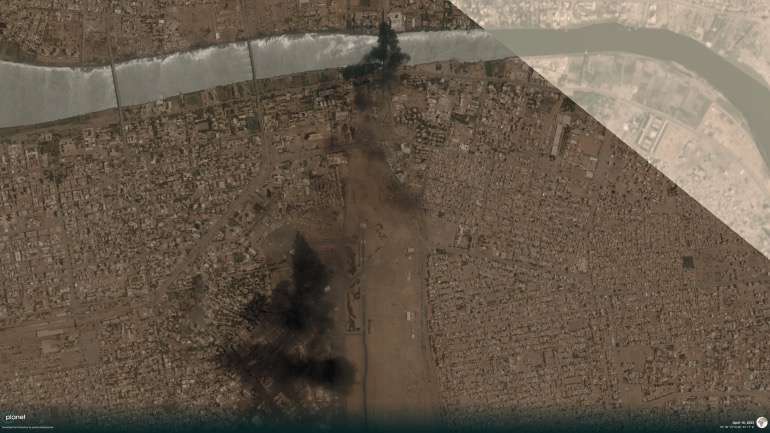
The mission estimates thousands killed in the initial days, though exact figures are hard to verify due to restricted access. Of the pre-assault population, only a fraction escaped; the city is now largely a “ghost town,” with extensive destruction visible from space.
Genocidal Intent: The Only Reasonable Inference
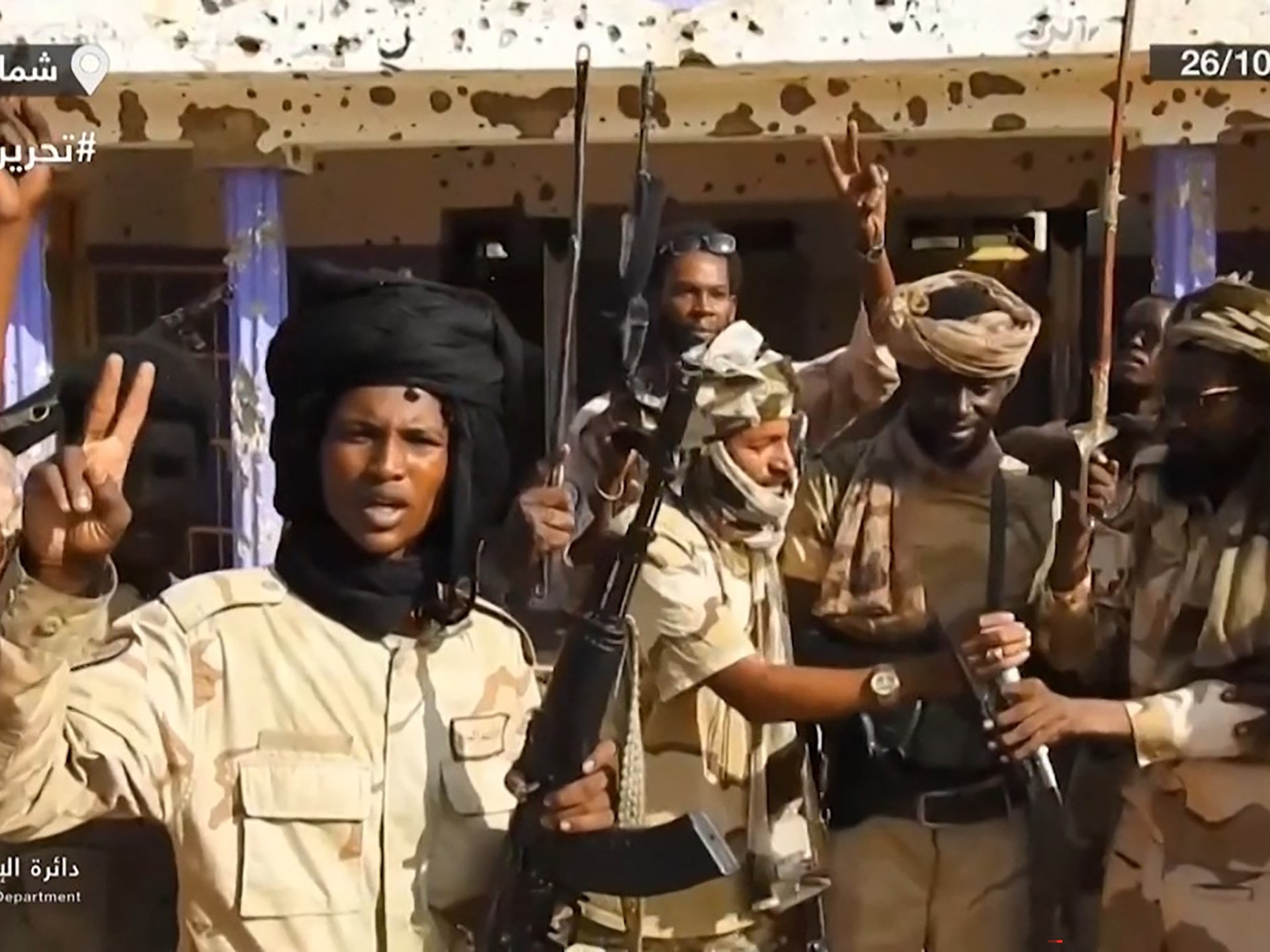
The report stresses that genocidal intent (“dolus specialis”) is evident from the pattern: systematic targeting, coordination at senior RSF levels, dehumanizing rhetoric calling for elimination of non-Arab groups, and public celebrations of the “victory.” Perpetrators filmed atrocities without apparent fear of consequences, underscoring impunity.
Expert Mona Rishmawi stated: “The RSF acted with intent to destroy, in whole or in part, the Zaghawa and Fur communities in El Fasher. These are the hallmarks of genocide.”
The findings echo earlier Darfur patterns from 2003-2005, where Janjaweed militias (RSF precursors) targeted similar groups.
Humanitarian Fallout and Ongoing Risks
Sudan’s civil war, pitting the RSF against the Sudanese Armed Forces (SAF) since April 2023, has displaced millions and triggered famine in parts of Darfur. El Fasher’s fall has shifted fighting elsewhere, but the mission warns of “ongoing and serious” risk of further genocidal acts.
Survivors fleeing the city now crowd displacement camps in Chad and elsewhere, facing continued threats.

International Response and Calls for Action
The U.S. imposed sanctions on three RSF commanders on February 19, 2026, for their roles in ethnic killings, torture, starvation, and sexual violence.
UN experts and rights groups urge ICC referral (building on existing warrants), targeted sanctions (including against alleged backers like the UAE), arms embargoes, and enforced humanitarian corridors.
The RSF has denied prior atrocity claims but has not yet responded specifically to this report.
The findings will go before the UN Human Rights Council later this month, potentially spurring stronger measures.
As Sudan’s conflict enters its fourth year, the El Fasher report serves as a stark reminder: without urgent intervention, the cycle of ethnic violence and mass atrocities risks deepening. The international community must act decisively to protect civilians and pursue accountability before history repeats itself in even greater tragedy.
Juba Global News Network monitors developments across the Horn of Africa and beyond. For the full UN report, visit ohchr.org.
