Twin Tragedies Strike Nigeria: Bandit Attack and Boat Capsizing Highlight Ongoing Security and Safety Crises
In a grim start to 2026, Nigeria has been rocked by two separate but devastating incidents that underscore the nation’s persistent challenges with insecurity and transportation safety. On January 3-4, a brutal bandit attack on a market in Niger State claimed at least 30 lives, while a boat capsizing in Yobe State left 25 dead and 14 missing. These events, occurring within days of each other, have reignited national debates on banditry in the north and the recurring dangers of inland waterways.
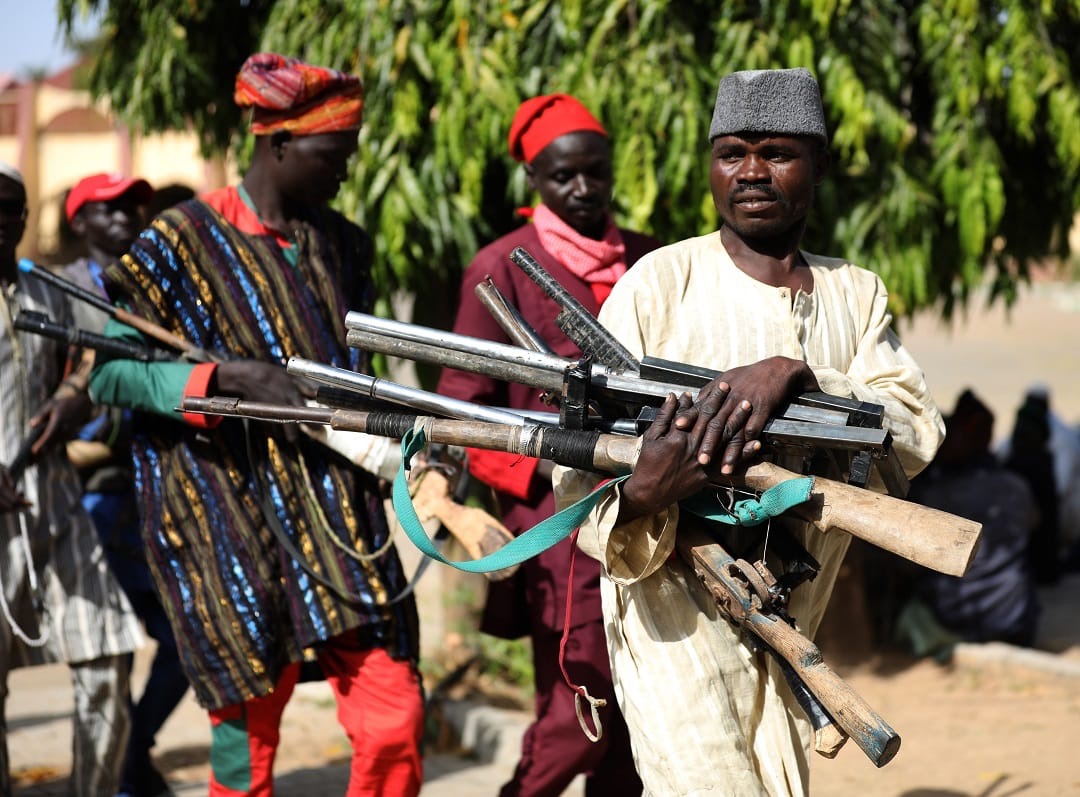
Armed bandits on motorcycles, a common sight in northern Nigeria’s escalating violence.
The Market Massacre in Niger State
On Saturday afternoon, January 3, 2026, armed gunmen—locally known as bandits—stormed Kasuwan Daji market in Demo village, Borgu Local Government Area of Niger State. Arriving on motorcycles around 4:30 p.m., the attackers opened fire indiscriminately, killing over 30 people, abducting several others, burning market stalls, and looting food items.
Police spokesperson Wasiu Abiodun confirmed the toll: “Over 30 victims lost their lives during the attack, and some persons were also kidnapped. Efforts are ongoing to rescue the kidnapped victims.” Witnesses described a scene of chaos. Dauda Shakulle, who was wounded while fleeing, told reporters: “Women and children were not spared. There has been no presence of security forces since the attacks began. We are currently recovering corpses.”
The assault was part of a broader wave of raids that started on Friday in nearby villages like Agwarra and Borgu, extending to communities in Chukama and Shanga. Another witness, Khalid Pissa, highlighted the attackers’ brutality. The Nigerian military has yet to comment publicly, but joint security teams have visited the scene.
This incident fits into a larger pattern of banditry plaguing northwestern and central Nigeria. Armed groups, often operating from remote forests, conduct mass killings, kidnappings, and cattle rustling. Despite military operations, the violence has escalated, displacing thousands and crippling rural economies. Recent months saw similar attacks, including the abduction of over 300 schoolchildren in central Nigeria.
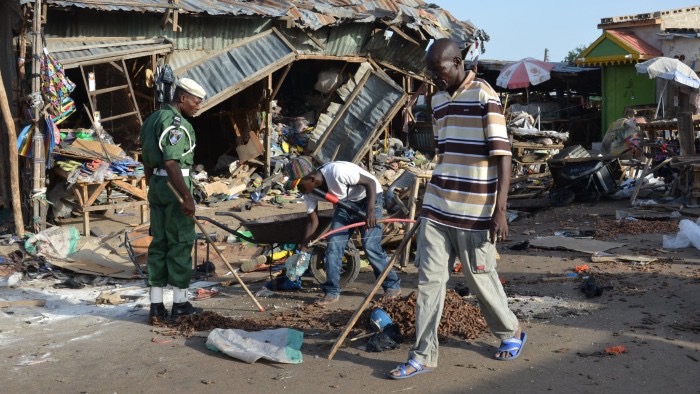
Aftermath of similar violent attacks in northern Nigeria, illustrating the devastation left in rural communities.
Deadly Boat Capsizing in Yobe State
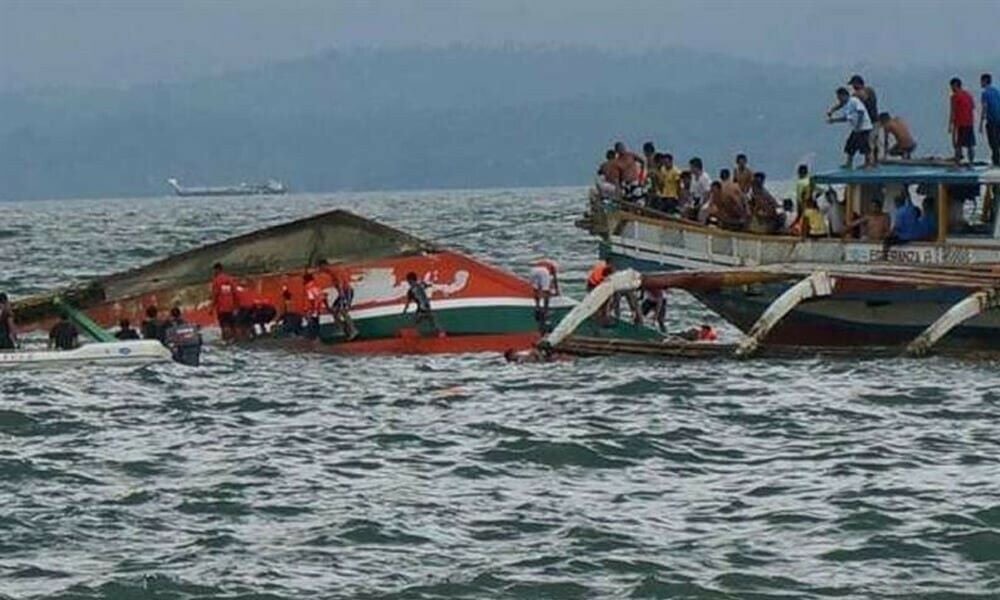
In a separate tragedy on Saturday night, January 3, a large wooden canoe carrying 52 passengers capsized on the Yobe River while traveling from Adiyani village in Jigawa State to Garbi town in Yobe State. The victims were primarily residents returning from a local market, along with farmers and fishermen.
By Sunday, January 4, emergency services reported 25 bodies recovered, 13 passengers rescued alive, and 14 still missing. Mohammed Goje, head of the Yobe State Emergency Management Agency, stated: “Search and rescue operations are ongoing for 14 missing persons,” with teams from neighboring areas and local volunteers assisting.
Police in Jigawa attributed the capsizing to a leakage in the canoe, exacerbated by it being a market day with heavy passenger load. Relatives raised the alarm when the boat failed to arrive, leading to the discovery of the overturned vessel.
Boat accidents are tragically common in Nigeria, claiming hundreds of lives annually. Factors include overloading, poor maintenance, lack of safety equipment, and navigation on swollen rivers during seasonal floods. Remote areas rely heavily on waterways due to inadequate road infrastructure, making such journeys essential for trade and daily life.
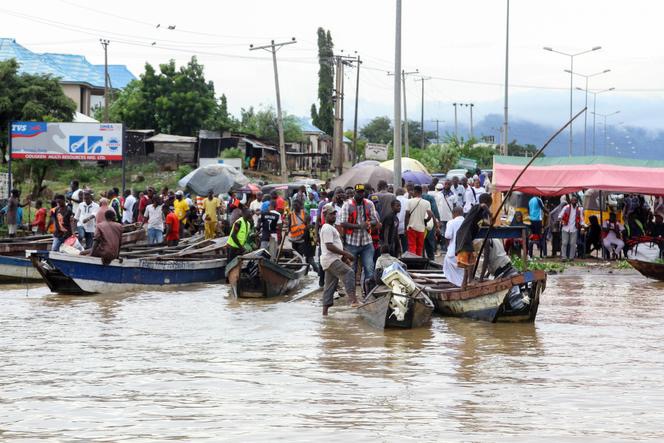
An overloaded wooden boat on a Nigerian river, typical of vessels involved in frequent capsizing incidents.
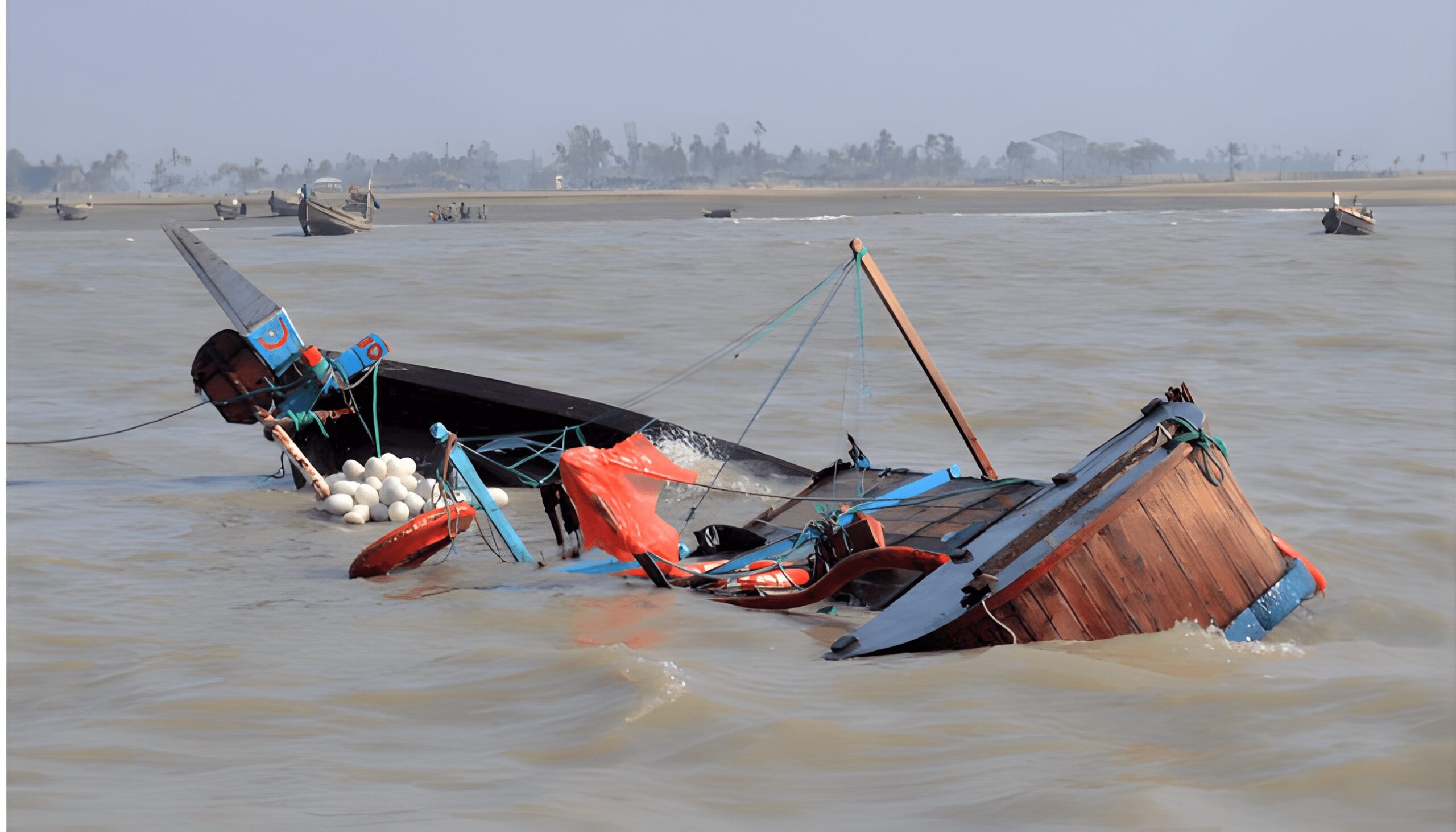
Rescue efforts following a boat mishap in Nigeria, highlighting the challenges in remote waterways.
Broader Context: Nigeria’s Interlinked Crises
These incidents are not isolated. Northern Nigeria grapples with multifaceted insecurity: banditry in the northwest, jihadist insurgency in the northeast, and farmer-herder clashes in the central belt. Overstretched security forces struggle to respond effectively, with bandits exploiting vast, ungoverned spaces.
Meanwhile, transportation fatalities—particularly boat mishaps—reflect systemic issues. The National Inland Waterways Authority has faced criticism for lax regulation, though calls for stricter enforcement, life jackets, and bans on night travel persist.
President Bola Tinubu’s administration has pledged enhanced security operations and infrastructure improvements, but critics argue more comprehensive strategies are needed, including addressing root causes like poverty, unemployment, and climate-induced resource conflicts.
As families mourn and communities reel, these tragedies serve as stark reminders of the human cost of Nigeria’s ongoing challenges. Rescue efforts continue in Yobe, while authorities in Niger vow to pursue the perpetrators. The nation watches, hoping for lasting solutions to prevent further loss of life.