Trump Extends Pause on Strikes Against Iranian Energy Infrastructure to April 6, Claims Indirect Talks ‘Going Very Well’ Despite Tehran’s Public Rejection
By Juba Global News Network | JubaGlobal.com
Published: March 27, 2026
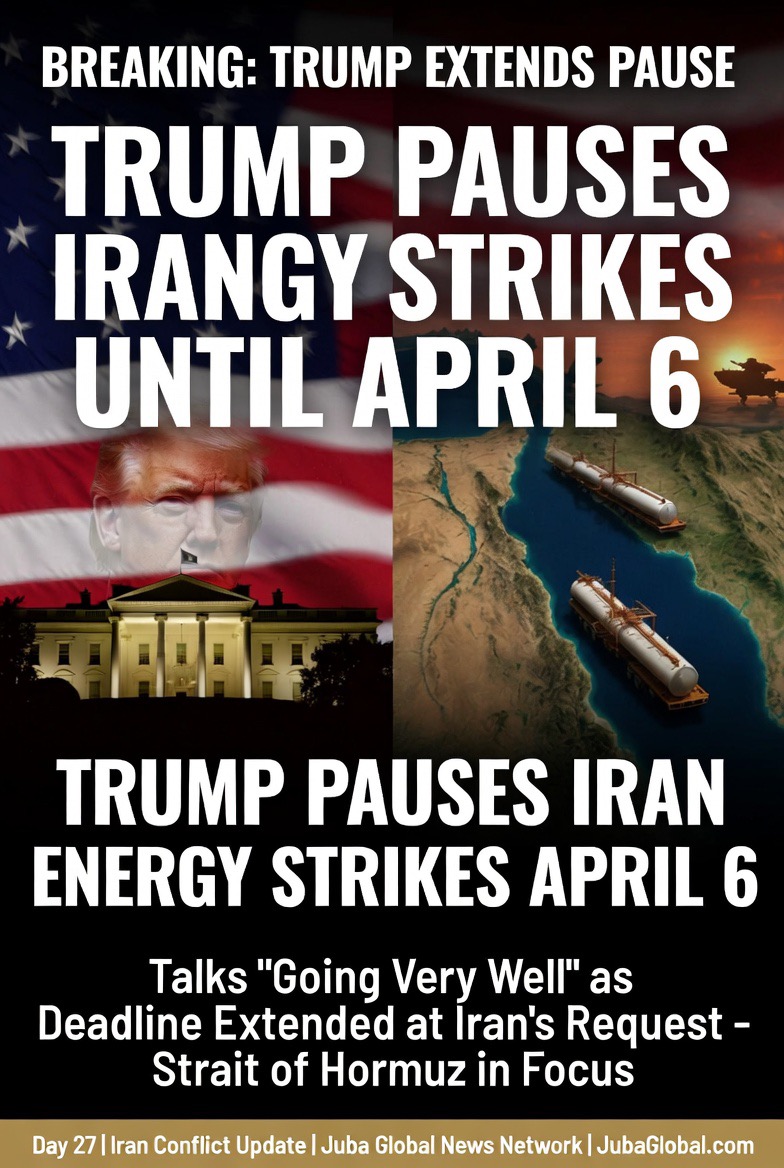
In a significant diplomatic development on Day 27 of the escalating conflict in the Middle East, U.S. President Donald Trump announced an extension of the pause on planned American strikes targeting Iran’s power plants and energy infrastructure. The new deadline is set for Monday, April 6, 2026, at 8:00 PM Eastern Time — a 10-day extension from the previous cutoff.
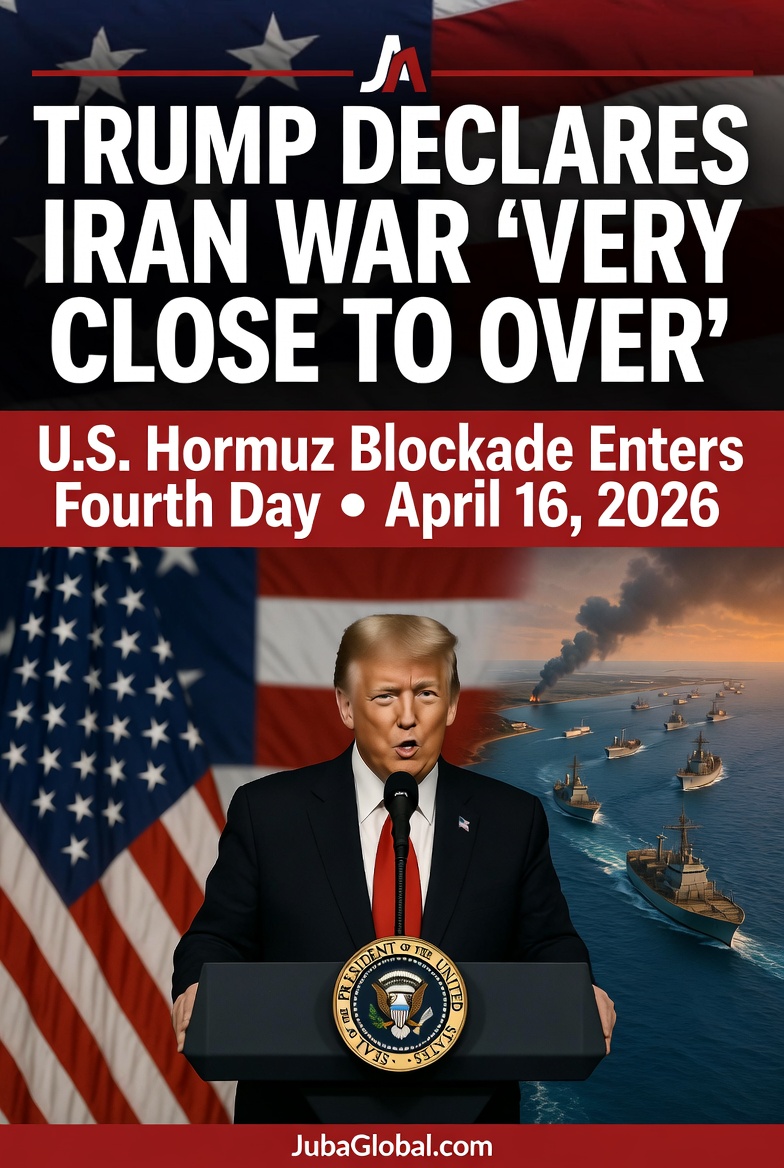
Trump made the announcement via a post on Truth Social, stating that the pause was granted at the request of the Iranian government. He added that ongoing indirect negotiations with Tehran are progressing positively. “As per Iranian Government request, please let this statement serve to represent that I am pausing the period of Energy Plant destruction by 10 Days to Monday, April 6, 2026, at 8 P.M., Eastern Time,” the president wrote. He further claimed that the talks are “going very well.”
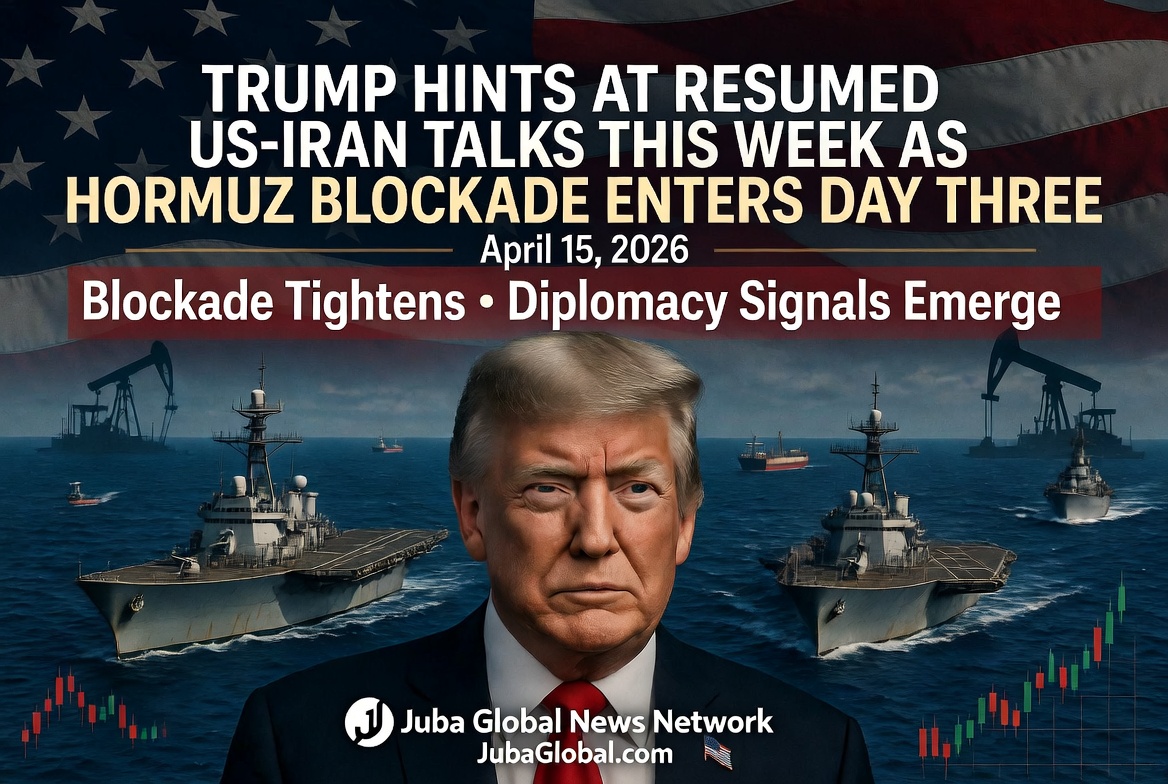
This marks the second extension of the threatened strikes. Earlier in the week, Trump had initially given Iran a short 48-hour ultimatum to reopen the Strait of Hormuz — a critical chokepoint for global oil shipments carrying roughly 20% of the world’s daily supply — or face devastating attacks on its energy sector. That deadline was first pushed back by five days before today’s further extension.
Background: The 15-Point Peace Proposal and Mixed Signals
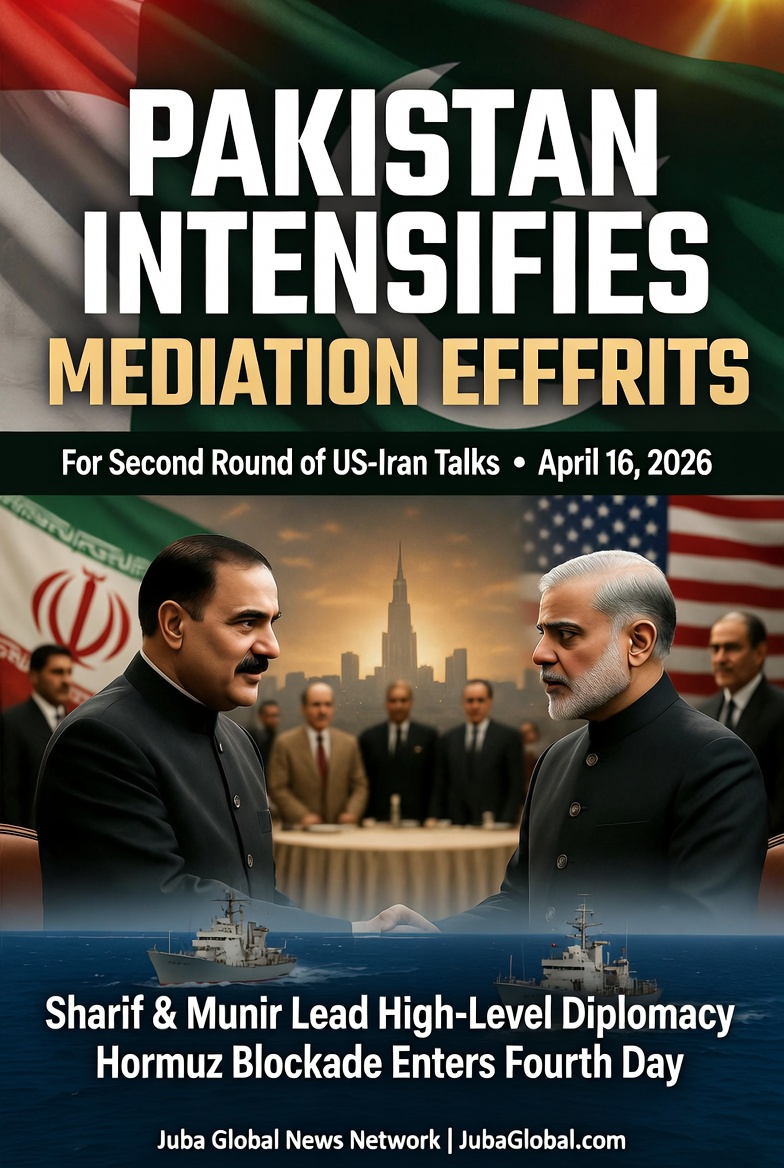
The pause comes amid reports that the United States, through intermediaries including Pakistan’s army chief, has presented Iran with a detailed 15-point peace proposal aimed at ending the broader Middle East conflict. According to U.S. Special Envoy Steve Witkoff, the plan was delivered during cabinet-level discussions and includes key American objectives for de-escalation.
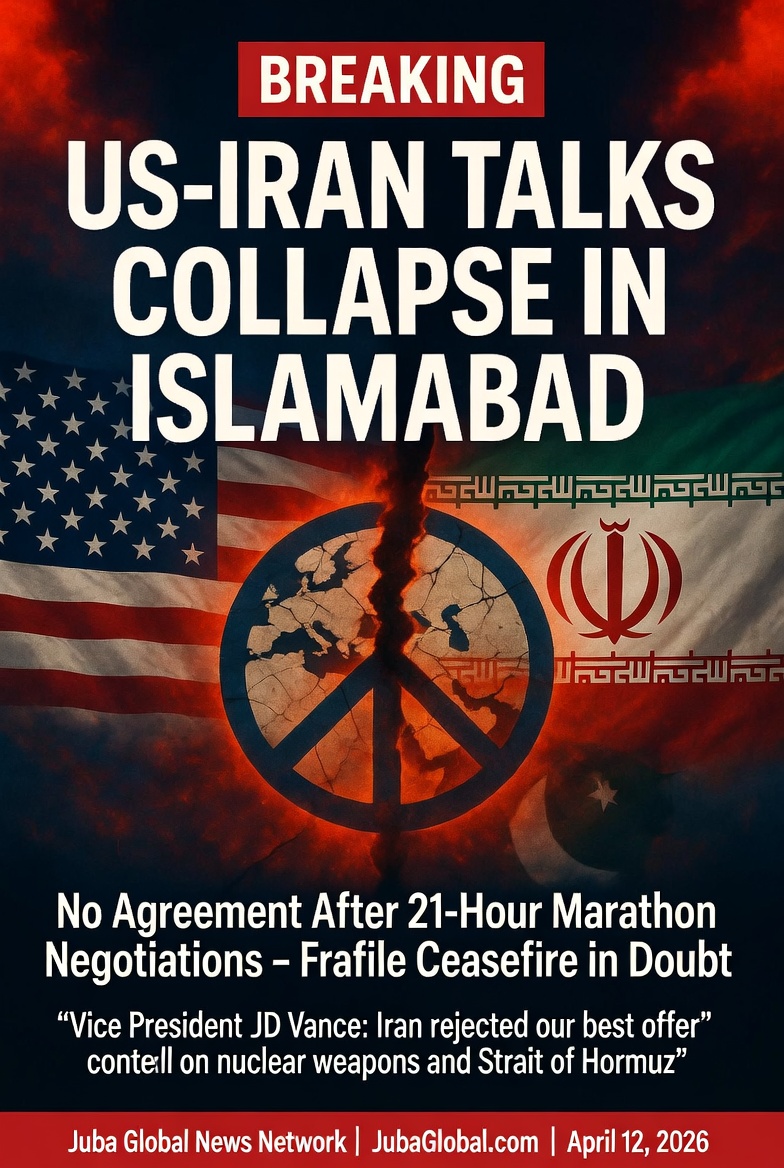
However, Iranian officials have publicly rejected major elements of the proposal. Tehran has dismissed claims of productive direct or indirect talks as “fake news” designed to manipulate oil markets. Instead, Iran has countered with its own set of conditions, reportedly including demands for war reparations and formal recognition of its sovereignty over operations in the Strait of Hormuz.
Despite the public rebuffs, Trump has maintained an optimistic tone, insisting that both sides share “major points of agreement” and that Iran is eager for a deal. Administration officials have emphasized that the strategy combines military pressure with diplomatic outreach — a approach Defense Secretary Pete Hegseth has described in related contexts as “negotiating with bombs.”
Strategic Context: Energy Infrastructure, Hormuz, and Global Oil Markets
The threatened strikes on Iranian power plants and energy facilities represent a high-stakes escalation. Destroying significant portions of Iran’s energy grid could cripple the country’s ability to sustain prolonged military operations and further isolate its economy. At the same time, such attacks risk triggering a major humanitarian and environmental crisis, including widespread blackouts and potential secondary effects on civilian infrastructure.
The central demand tied to the pause remains the reopening of the Strait of Hormuz. Iranian forces and allied militias have effectively disrupted commercial shipping through the waterway since the early days of the conflict, contributing to sharp spikes in global oil prices, which have remained volatile above $100 per barrel in recent trading sessions.
By extending the pause, the Trump administration appears to be buying time for negotiations while keeping maximum pressure on Tehran. Analysts note that the repeated extensions reflect a delicate balancing act: avoiding an immediate all-out energy war that could send oil prices skyrocketing further, while preventing Iran from interpreting restraint as weakness.
Reactions from Key Players
• Iran: Tehran continues to project defiance. State media and officials have downplayed the significance of the U.S. pause, framing it as a sign of American hesitation rather than goodwill. Iran maintains that any resolution must come on terms that protect its regional influence and security interests.
• Israel: Israeli strikes on Iranian targets, including military and nuclear-related sites, have continued intensely. Reports indicate efforts to maximize damage ahead of any potential ceasefire. The killing of a senior Iranian naval commander overseeing Hormuz operations was confirmed earlier this week, representing a significant blow to Tehran’s maritime capabilities.
• International Community: European leaders and global economic voices have expressed growing alarm. Germany’s Defence Minister recently described the conflict as an “economic catastrophe” due to energy price surges and supply chain disruptions. China has repeatedly called for restraint and a swift resolution to protect global trade routes.
The International Atomic Energy Agency (IAEA) has also issued warnings about the risk of a “major radiological accident” should strikes inadvertently or deliberately damage Iran’s remaining nuclear facilities.
What Happens Next?
With the new April 6 deadline approaching after the Easter weekend, attention now turns to whether indirect talks — believed to be facilitated through third parties — can produce tangible breakthroughs. Key issues on the table include:
• Reopening the Strait of Hormuz to international shipping
• Limitations on Iran’s missile and proxy activities (including support for Hezbollah and other groups)
• Status of Iran’s nuclear program following earlier U.S. and Israeli strikes
• Potential ceasefires on multiple fronts, including the Israel-Hezbollah theater in southern Lebanon
Critics argue that the mixed messaging — Trump’s public optimism contrasted with Iran’s rejections and continued missile barrages (including the 83rd wave targeting Israeli cities) — creates uncertainty that prolongs market volatility and regional instability.
Supporters of the administration’s approach counter that the combination of sustained military pressure and calibrated diplomacy has already degraded key Iranian capabilities and forced Tehran to the negotiating table, however indirectly.
Broader Implications for the Region and the World
The Iran conflict, now in its fourth week, has overshadowed other global crises, including the ongoing Russia-Ukraine war. Energy markets remain jittery, with ripple effects felt in higher fuel costs, rising mortgage rates in the U.S., and concerns over inflation worldwide.
As the pause clock ticks toward April 6, the world watches closely. Will the extension lead to a genuine de-escalation and a path toward ending the fighting? Or will it simply delay an inevitable further escalation if core demands — particularly around the Strait of Hormuz — remain unmet?
Juba Global News Network will continue to monitor developments in real time. For the latest updates on the Iran conflict, U.S. diplomacy, and global energy markets, visit JubaGlobal.com.