

Tragic Loss at Sea: Three Young South Sudanese Men Perish in Mediterranean Shipwreck While Seeking a Better Life in Europe
By: Juba Global News Network | JubaGlobal.com Juba, South Sudan – February 18, 2026 In a heartbreaking development that has sent shockwaves through South S
By: Juba Global News Network | JubaGlobal.com
Juba, South Sudan – February 18, 2026
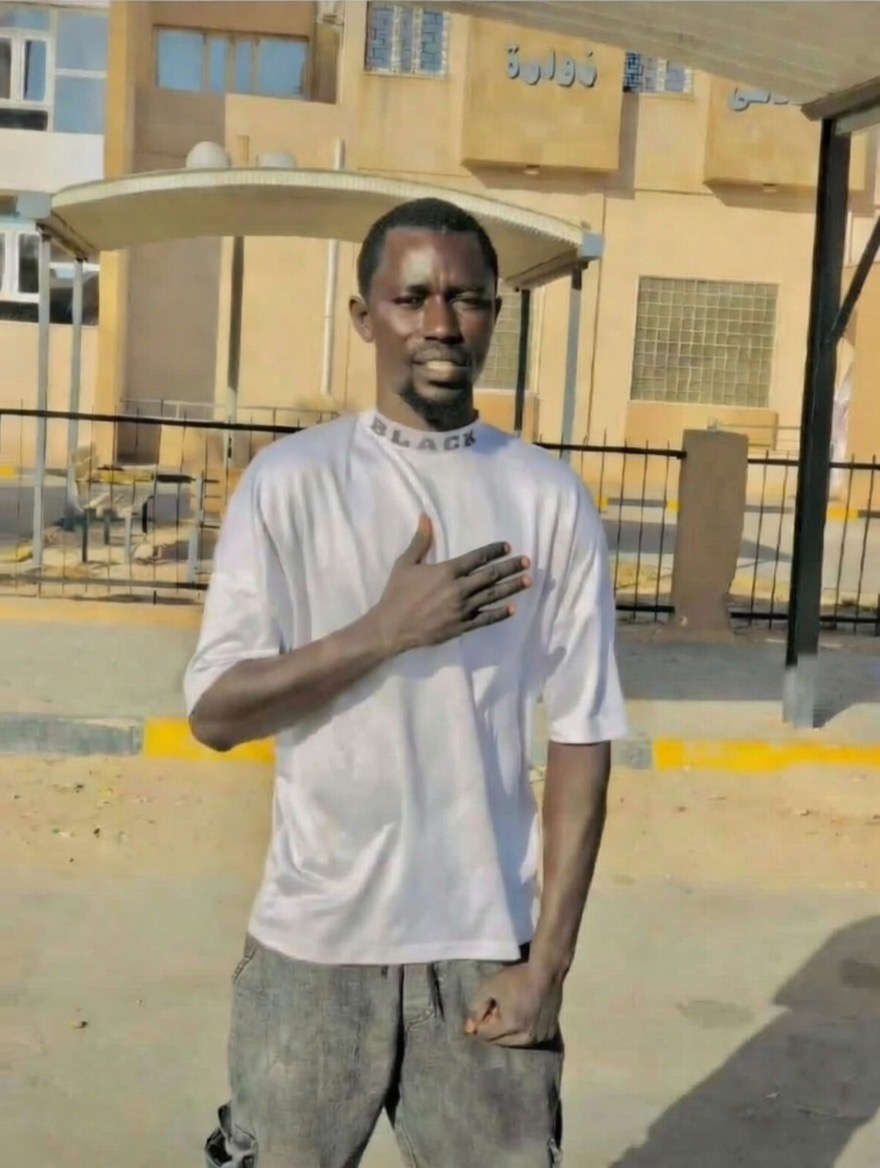
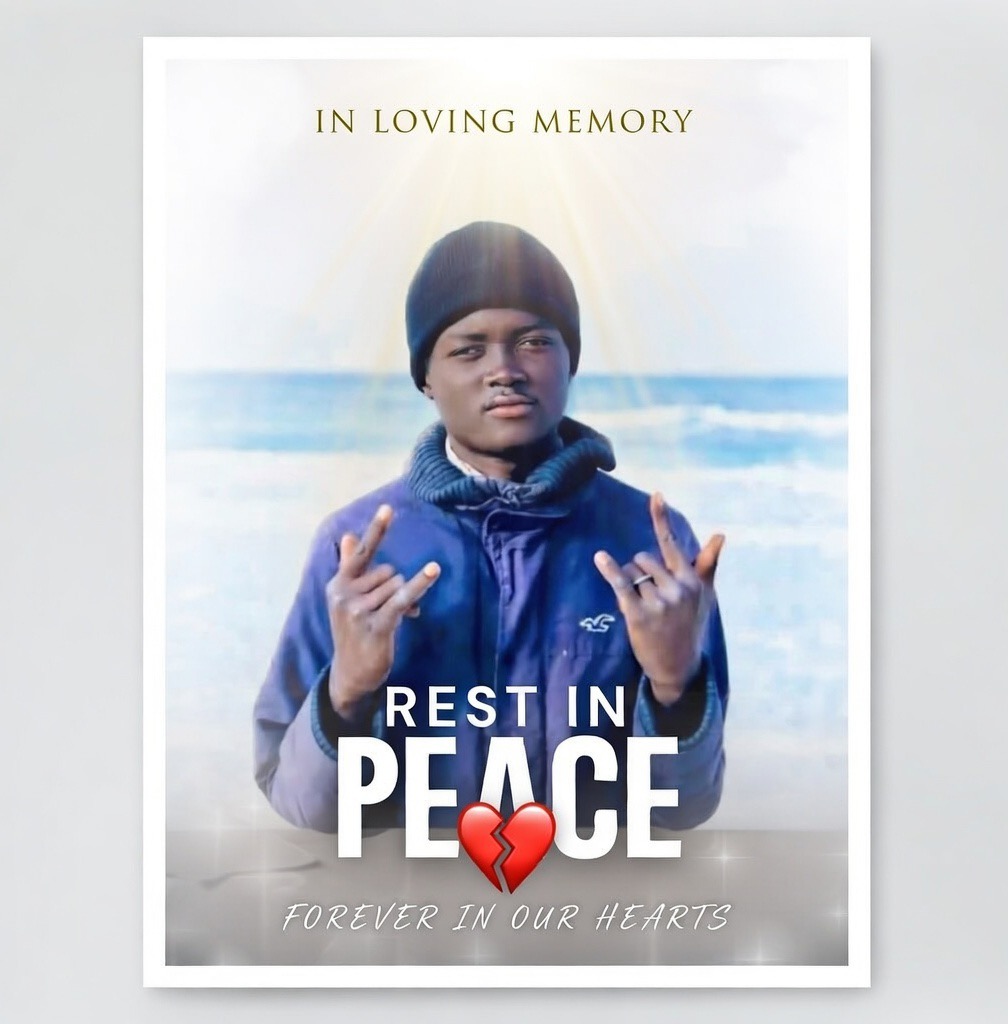
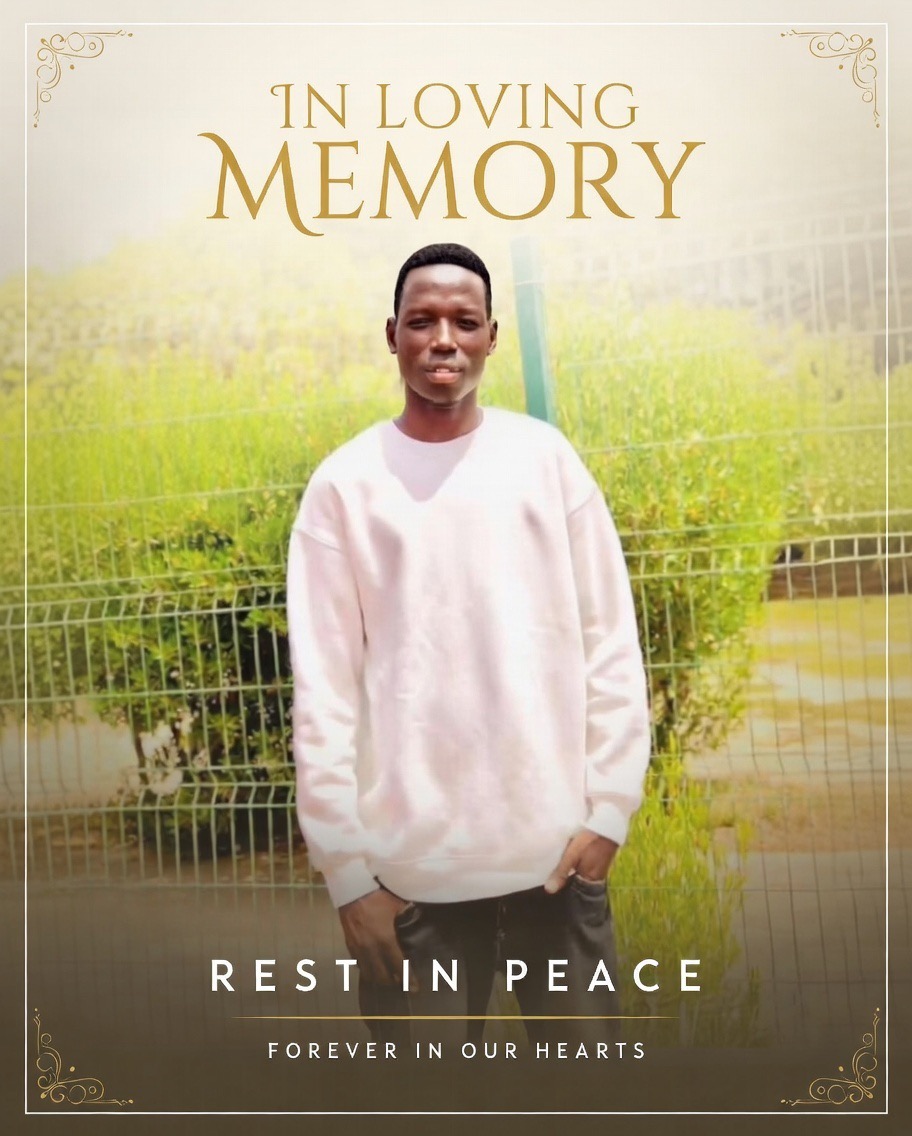
In a heartbreaking development that has sent shockwaves through South Sudanese communities at home and in the diaspora, three young Dinka men have been confirmed dead after the rubber boat they were traveling on capsized in the cold waters of the Mediterranean Sea off the Libyan coast earlier this month. The victims, identified as Kiir Tello, Kon Kon, and Jesko De, were among dozens of migrants and refugees who lost their lives in one of the deadliest incidents on the Central Mediterranean route so far in 2026.
According to multiple reports shared widely across South Sudanese Facebook groups and community networks, including pages dedicated to “South Sudanese in Libya,” the three young men boarded an overcrowded inflatable dinghy in the western Libyan town of Zawiya (also spelled Al-Zawiya or Zawaiya) on the evening of February 5, 2026. The vessel, carrying approximately 55 passengers of various African nationalities, set sail around 11 p.m. local time, hoping to reach the shores of Europe after a perilous journey through Libya’s lawless smuggling networks.
Tragedy struck just six hours into the voyage. The unseaworthy rubber boat began taking on water and capsized north of the coastal town of Zuwara. Libyan authorities, working in coordination with international rescue efforts, managed to save only two survivors—both Nigerian women. One survivor reported losing her husband in the disaster, while the other mourned the deaths of her two infant children. The International Organization for Migration (IOM) has officially stated that 53 people are dead or missing, including the two babies, bringing the total number of lives lost on the Central Mediterranean route in 2026 alone to nearly 500.
While the IOM report describes the passengers as “migrants and refugees of African nationalities” without naming individuals, South Sudanese community sources have stepped forward with specific details. Posts circulating since February 9 have named Kiir Tello, Kon Kon, and Jesko De as the three confirmed South Sudanese victims from the Dinka ethnic community. Family members and friends in Libya and back home in South Sudan have shared messages of grief, posting photos and tributes under hashtags such as #SouthSudanese, #Migration, and calls for prayers.
“These were not just numbers—they were our brothers, our sons, our future,” one community leader in a Juba-based WhatsApp group told Juba Global News Network. “Kiir, Kon, and Jesko left South Sudan full of hope, believing that reaching Europe would give them a chance to support their families. Instead, the sea claimed them.”
The incident has reignited painful conversations about the desperate migration routes taken by thousands of South Sudanese youth every year. Since the country’s independence in 2011, repeated cycles of civil conflict, economic collapse, flooding, and food insecurity have pushed many young men—particularly from the Dinka and Nuer communities—to risk everything for a better life abroad. Libya has become a notorious transit hub, where migrants often endure extortion, torture, sexual violence, and indefinite detention in overcrowded camps run by militias and smugglers.
Survivors and returnees frequently describe journeys marked by unimaginable suffering. Many pay thousands of dollars to smugglers only to be abandoned at sea in vessels that are barely seaworthy. The February 6 capsizing is the latest in a long string of tragedies. Just months earlier, other boats carrying Sudanese and South Sudanese passengers met similar fates, with dozens presumed dead.
According to the IOM’s Missing Migrants Project, more than 1,300 people died or went missing on the Central Mediterranean route in 2025 alone. The figure for 2026 is already approaching 500, a grim statistic that underscores the failure of international efforts to provide safe, legal pathways for those fleeing conflict and poverty.
In South Sudan, the news of the three young men’s deaths has triggered widespread mourning. Relatives in Juba, Bor, Rumbek, and other Dinka heartlands have gathered for prayer vigils. Community leaders are calling on the South Sudanese government, churches, and international partners to do more to address the root causes driving this dangerous exodus.
“Why must our children die in the sea while seeking what every human being deserves—a chance at dignity and opportunity?” asked a grieving uncle of one of the victims, speaking on condition of anonymity. “Our leaders must create jobs, security, and hope at home so that our youth do not feel they have to gamble with their lives.”
The tragedy also highlights the broader plight of migrants in Libya. A recent United Nations report described conditions there as a “journey of hell,” with women and girls particularly vulnerable to rape, slavery, and murder. Despite these well-documented dangers, the lack of viable alternatives continues to fuel the flow of desperate travelers.
European Union policies, which focus heavily on border security and cooperation with Libyan authorities to intercept boats, have drawn sharp criticism from human rights groups. Advocates argue that such measures push migrants into even riskier routes without addressing the underlying drivers of migration.
South Sudanese officials in Juba have yet to issue an official statement on the deaths of Kiir Tello, Kon Kon, and Jesko De. However, diaspora organizations in Europe and the United States have begun fundraising efforts to support the victims’ families and to repatriate remains if they are recovered—a process that is often lengthy and uncertain given the vastness of the Mediterranean.
As the sun sets over the Nile in Juba, families across South Sudan light candles and share stories of the three young men who dreamed of a brighter tomorrow. Their names—Kiir Tello, Kon Kon, and Jesko De—will now be etched into the long and sorrowful list of lives lost to the sea in pursuit of hope.
Juba Global News Network extends its deepest condolences to the families and communities affected. May the souls of the departed rest in eternal peace, and may this tragedy serve as a wake-up call for urgent action to prevent further loss of young South Sudanese lives on these deadly migration routes.
We will continue to follow this story and provide updates as more details emerge from Libyan authorities, the IOM, and South Sudanese community sources.
Juba Global News Network is South Sudan’s leading independent digital news platform, committed to truthful, timely, and compassionate reporting on issues affecting our people at home and abroad.