Thailand and Cambodia Sign Ceasefire: A Fragile Truce Ends Weeks of Deadly Border Clashes
By Juba Global News Network JubaGlobal.com December 27, 2025 In a significant breakthrough amid escalating tensions, Thailand and Cambodia signed an immedi
By Juba Global News Network
JubaGlobal.com
December 27, 2025
In a significant breakthrough amid escalating tensions, Thailand and Cambodia signed an immediate ceasefire agreement on December 27, 2025, bringing an end to 20 days of intense border fighting—the worst in years between the two Southeast Asian neighbors. The pact, inked by the countries’ defense ministers at a border checkpoint, took effect at noon local time and includes commitments to halt all hostilities, prevent troop movements, and prohibit airspace violations.
The agreement reaffirms earlier truces, including one brokered in July and formalized in October, while introducing measures for de-escalation, such as the safe return of displaced civilians and cooperation on demining efforts.
The Signing: A Moment of Hope at the Border
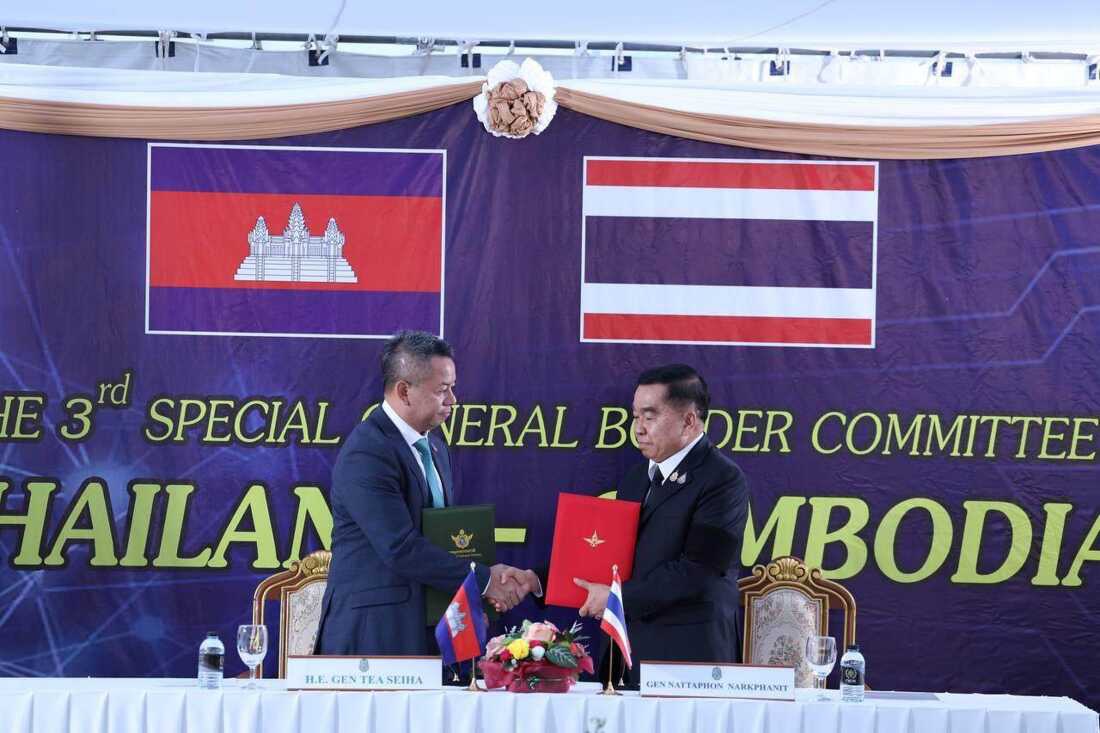
The ceasefire was formalized during a special meeting of the General Border Committee (GBC) at the Ban Pakkad checkpoint in Thailand’s Chanthaburi province. Cambodian Defense Minister Tea Seiha and Thai Defense Minister Natthaphon Narkphanit exchanged documents in a ceremony that symbolized a tentative step toward peace.
The joint statement outlined key provisions: an immediate halt to all weapons use, no unprovoked firing or troop advancements, and protections for civilians and infrastructure. Notably, Thailand committed to repatriating 18 Cambodian soldiers captured during July clashes once the truce holds for 72 hours—a longstanding demand from Phnom Penh.
Hours after the signing, reports indicated the ceasefire was holding, with no new incidents of fighting.
Escalation and Human Toll: From Skirmishes to Full-Scale Clashes
The latest round of violence erupted in early December 2025, shattering a fragile truce established earlier in the year. What began as minor skirmishes quickly escalated into widespread combat involving artillery barrages, rocket exchanges, and airstrikes—primarily by Thai F-16 jets targeting Cambodian positions.
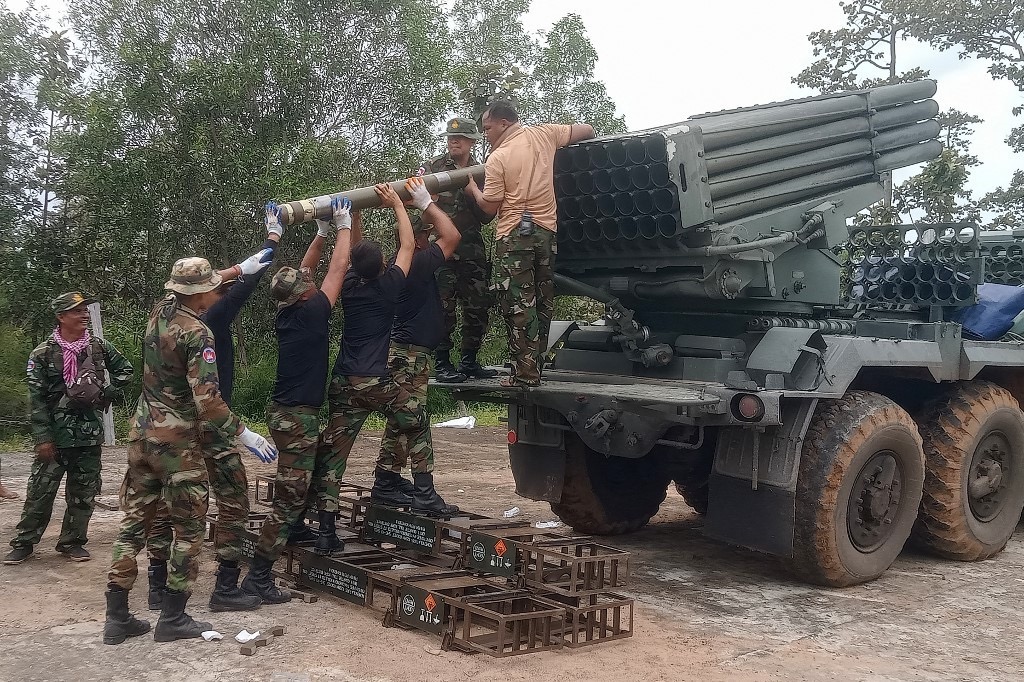
The fighting claimed over 100 lives, including soldiers and civilians, and displaced more than half a million people on both sides. Thailand reported 26 soldiers and one civilian killed directly in combat since December 7, plus 44 civilian deaths from collateral effects. Cambodia reported at least 30 civilian deaths and 90 injuries, though military casualty figures remain undisclosed.
Evacuations turned border provinces into ghost towns, with families fleeing artillery fire and airstrikes. Landmines, a persistent hazard in the disputed areas, added to the chaos, with Thailand accusing Cambodia of planting new ones.
Historical Roots: A Century-Old Dispute Over Temples and Territory
The conflict traces back to colonial-era border demarcations, exacerbated by competing claims to ancient Khmer temples like Preah Vihear and Ta Muen Thom.
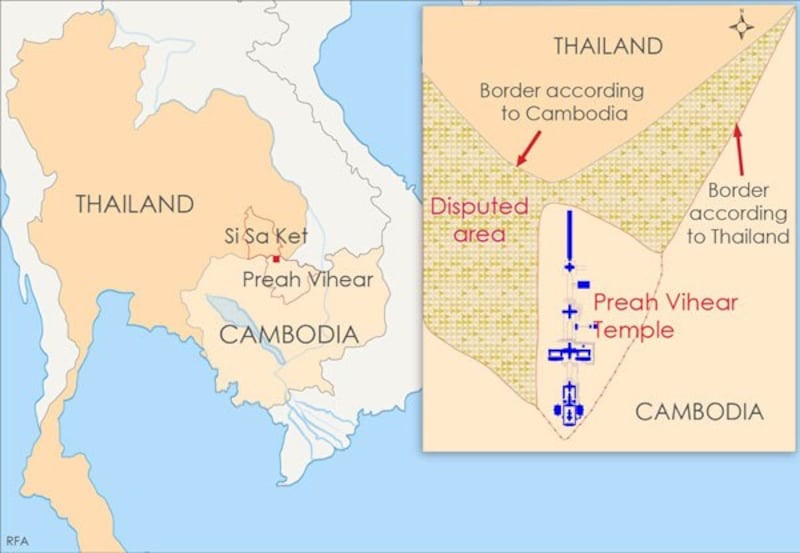
A 1962 International Court of Justice ruling awarded Preah Vihear to Cambodia, but surrounding land remains contested. Tensions flared periodically, culminating in deadly clashes in 2008-2011.
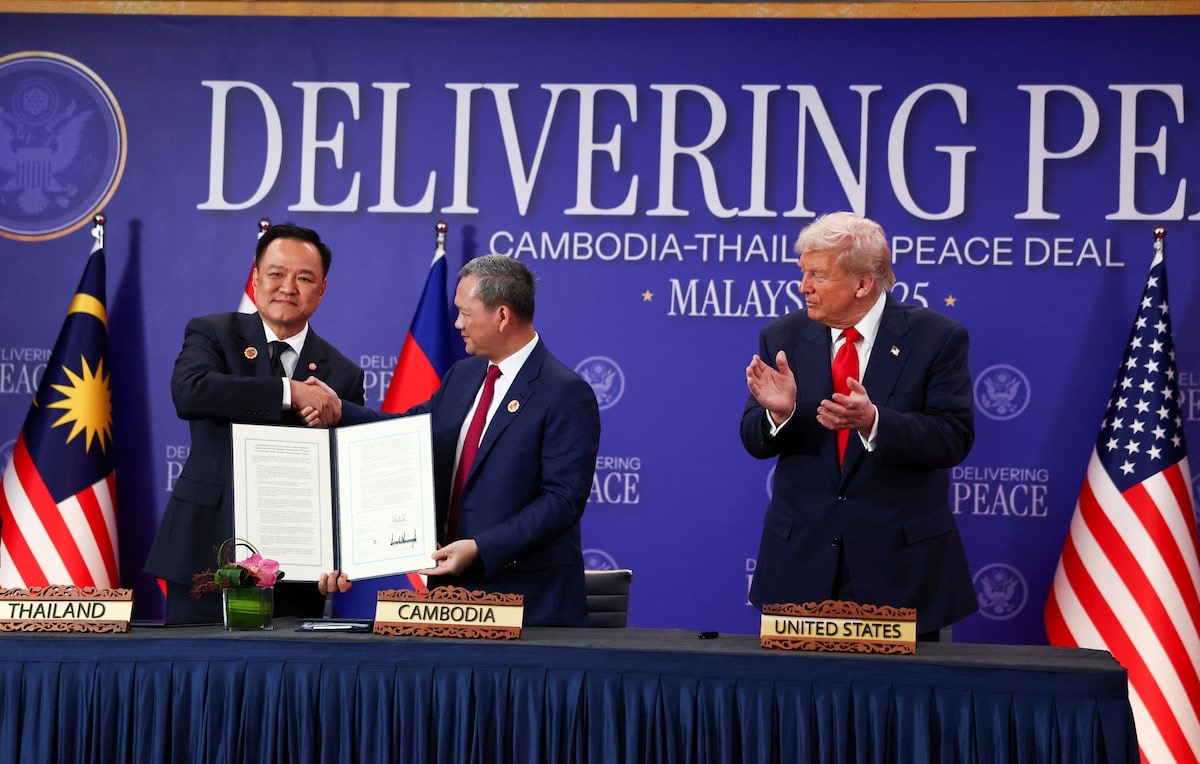
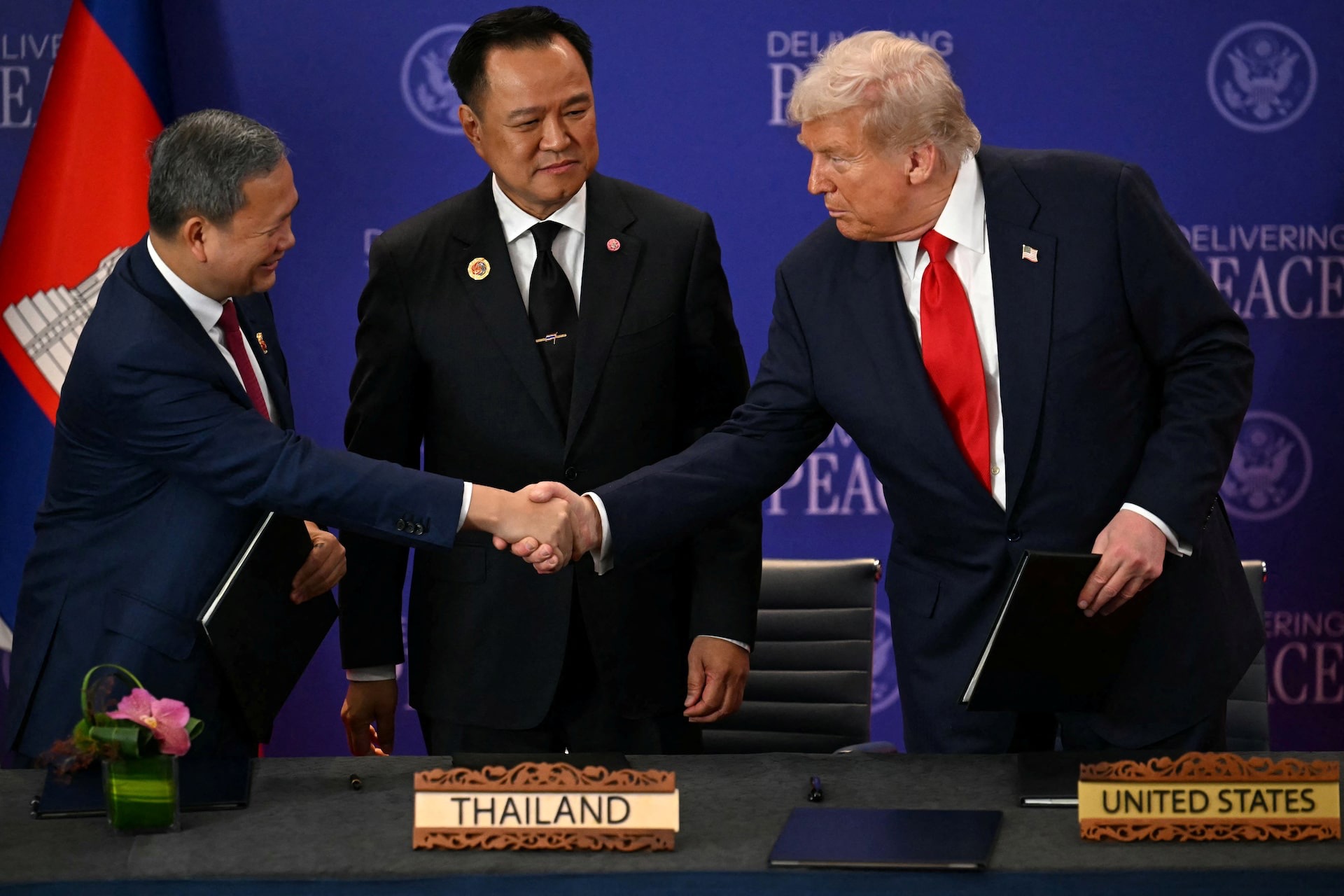
In 2025, skirmishes began in May with a Cambodian soldier’s death, followed by July’s five-day war that killed dozens and displaced thousands. A ceasefire brokered by Malaysia and U.S. President Donald Trump—dubbed the “Kuala Lumpur Peace Accords”—halted that round but proved short-lived amid mutual accusations of violations.
Renewed fighting in December spread across multiple provinces, from forested areas near Laos to coastal regions.
Diplomatic Efforts: Regional and International Pressure
The path to Saturday’s agreement involved intense diplomacy. ASEAN, chaired by Malaysia, convened emergency talks, while the U.S. and China urged restraint. Lower-level military discussions lasted three days before the ministers’ meeting.
Previous interventions, including Trump’s direct involvement in the July truce, highlighted the dispute’s geopolitical stakes. Both sides blamed each other for breaches, with propaganda wars raging alongside battlefield actions.
Reactions and Challenges Ahead
Leaders on both sides expressed cautious optimism. Thai officials emphasized that “war and clashes don’t make the two countries or the two people happy,” while Cambodia stressed the need for full implementation.
Analysts warn fragility remains: past truces collapsed over interpretations of de-escalation measures. Key tests include the 72-hour period for prisoner release and resuming joint boundary surveys.
Displaced civilians, many in temporary shelters, await safe return. Demining and rebuilding trust will be crucial.
International observers hope this truce endures, preventing further instability in Southeast Asia. Upcoming trilateral talks involving China signal continued external engagement.
As guns fall silent along the 800-kilometer border, the region breathes a sigh of relief—but eyes remain watchful for lasting peace.
Juba Global News Network delivers comprehensive coverage of global hotspots. Stay updated at JubaGlobal.com.