

Tensions Rise in Middle East: Trump Signals Military Readiness as Second Carrier Heads to Region
On February 14, 2026—Valentine’s Day—global attention turns not to romance but to escalating stakes in the Middle East, where President Donald Trump has dr
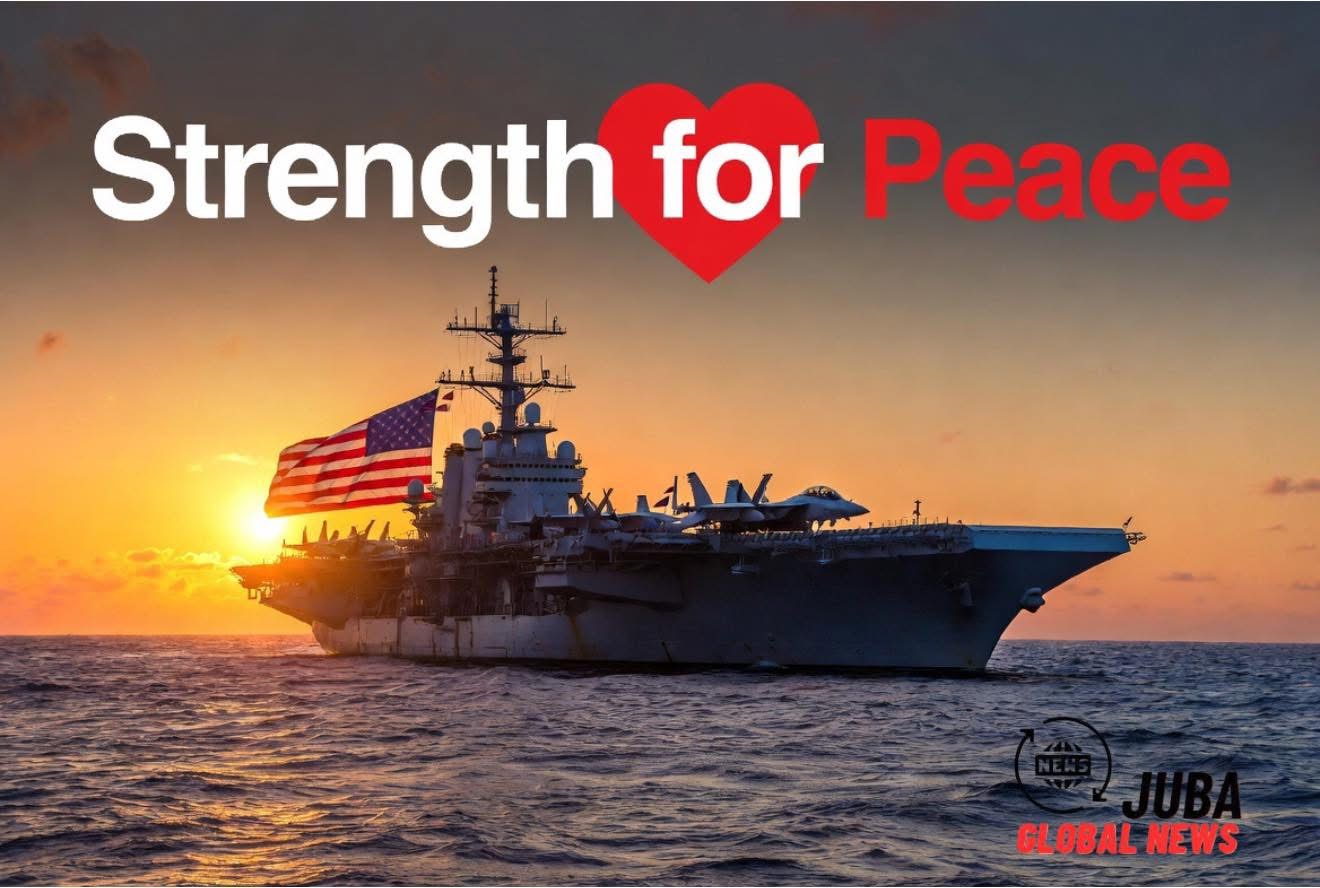
On February 14, 2026—Valentine’s Day—global attention turns not to romance but to escalating stakes in the Middle East, where President Donald Trump has dramatically ramped up U.S. military posture amid faltering nuclear negotiations with Iran. In a series of statements over the past week, Trump confirmed the deployment of a second aircraft carrier strike group to the region, joining the USS Abraham Lincoln already on station. The move, described by administration officials as a show of “tremendous power,” underscores a dual-track strategy: pursue diplomacy while preparing overwhelming force if talks collapse.
The centerpiece of this buildup is the USS Gerald R. Ford (CVN-78), the U.S. Navy’s newest and largest supercarrier. Originally deployed in June 2025 for what was intended as a European mission, the Ford was redirected to the Caribbean in late 2025 amid operations related to Venezuela. Now, after nearly eight months at sea, its strike group has received orders to transit the Atlantic and join the Abraham Lincoln in the Arabian Sea or Persian Gulf. Pentagon sources indicate the journey will take at least one to three weeks, with the Ford not expected to return home until late April or May 2026—potentially breaking post-Vietnam deployment length records and straining crew and maintenance schedules, despite prior Navy concerns about extended operations.
Trump addressed the deployment directly during remarks to reporters and troops at Fort Bragg, North Carolina, on February 13. “In case we don’t make a deal, we’ll need it,” he stated bluntly, adding that the carrier would be “leaving very soon.” He expressed optimism that negotiations could succeed but warned ominously: “I think they’ll be successful. And if they’re not, it’s going to be a bad day for Iran, very bad.” In separate comments, Trump even suggested regime change in Tehran “seems like that would be the best thing that could happen,” though he declined to specify preferred leadership, noting “there are people” who could step in.
The Abraham Lincoln Carrier Strike Group surged to the region in late January 2026, accompanied by guided-missile destroyers, cruisers, additional fighter jets, and surveillance assets. Its presence already provides significant airpower, missile defense, and deterrence capabilities. Doubling that with the Ford—carrying advanced F-35C stealth fighters, F/A-18 Super Hornets, and electronic warfare aircraft—vastly multiplies U.S. options for sustained operations, from precision strikes to area denial. Analysts note this dual-carrier configuration hasn’t been seen in the Middle East in nearly a year and signals readiness for prolonged engagement if diplomacy fails.
The backdrop is stalled indirect talks with Iran, mediated through Oman and other channels. Recent rounds in Muscat yielded no breakthrough, with Iran rejecting core U.S. demands to halt uranium enrichment and ballistic missile development. Iranian Foreign Minister Abbas Araghchi reiterated that Tehran’s missile program is “never negotiable,” while warning of retaliation against U.S. bases if provoked. Tehran has portrayed the U.S. buildup as an “act of war” and part of a “political game” designed to undermine negotiations under duress. Despite the rhetoric, both sides have kept channels open, with some consensus on continuing diplomacy—but deep disagreements persist over enrichment limits, inspections, sanctions relief, and regional proxies.
Trump’s approach revives his “maximum pressure” playbook from his first term, blending economic sanctions, military demonstrations, and public threats to coerce concessions. The administration frames the carrier movements as defensive and deterrent, aimed at preventing Iranian escalation while talks proceed. Critics, however, warn that such visible saber-rattling risks miscalculation, especially amid Iran’s domestic unrest, proxy activities in Yemen, Lebanon, and Iraq, and hardened positions from hardliners in Tehran.
On this day traditionally dedicated to love and partnership, the irony is stark: global peace hangs in a delicate balance, with diplomacy pursued under the shadow of unprecedented naval might. Whether the show of force brings Iran back to the table for a meaningful deal—or pushes the region toward confrontation—remains uncertain. For now, two of America’s most powerful warships steam toward the Middle East, a potent symbol that, in 2026, strength remains central to U.S. strategy in one of the world’s most volatile arenas. As couples exchange valentines stateside, military families and global observers watch anxiously for the next move in this high-stakes game.
