Sandstorm Adds Misery to Gaza’s Displaced Amid Fragile Ceasefire
On February 14, 2026—Valentine’s Day, a date synonymous with warmth, connection, and celebration—the reality in Gaza stands in heartbreaking contrast. A se
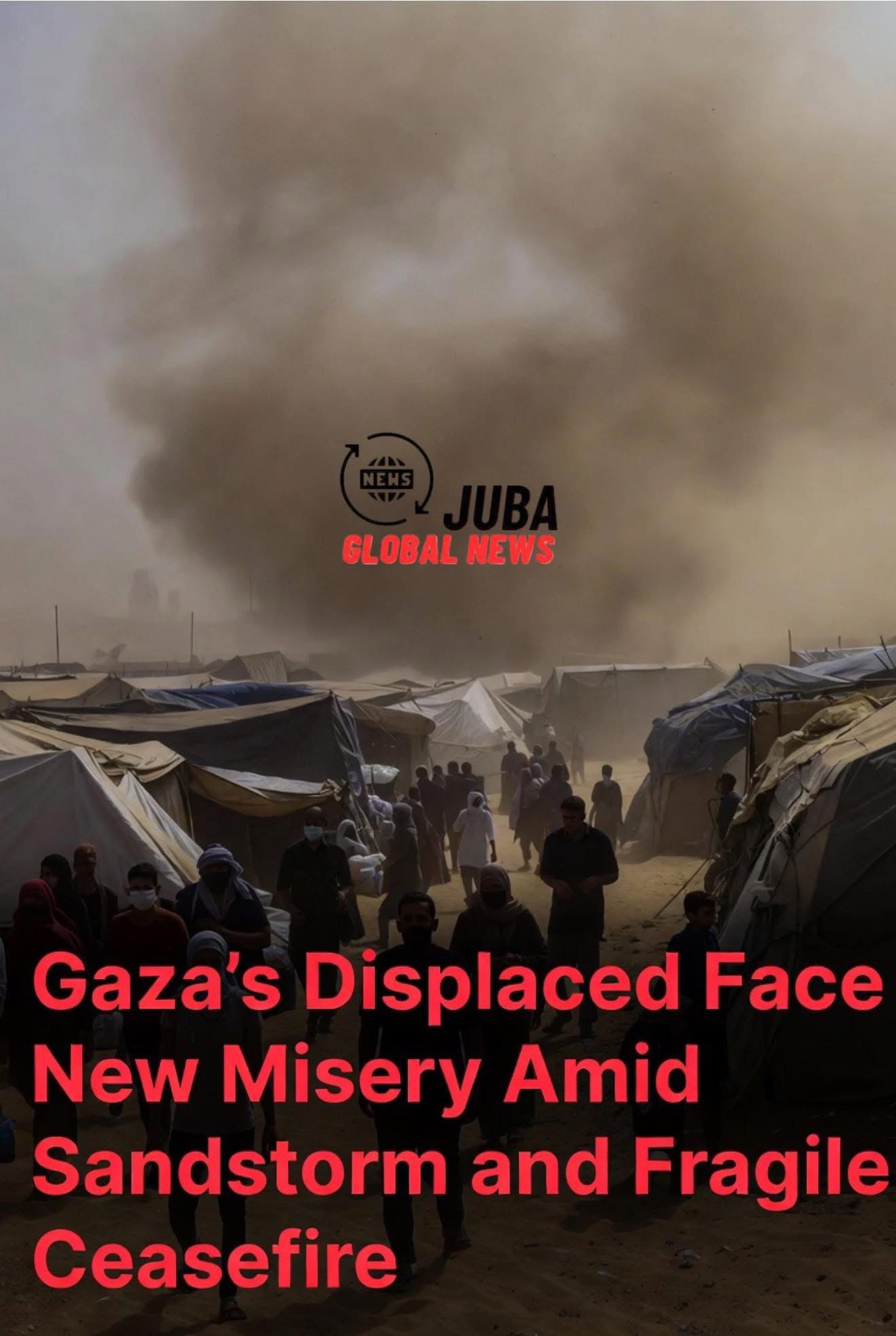
On February 14, 2026—Valentine’s Day, a date synonymous with warmth, connection, and celebration—the reality in Gaza stands in heartbreaking contrast. A severe sandstorm, sweeping in from North Africa, has blanketed the Gaza Strip in thick, choking dust, reducing visibility to mere meters and layering fine grit over everything in its path. For the nearly 1.9 million displaced Palestinians living in makeshift camps, tent clusters, and overcrowded shelters, this latest environmental assault compounds an already unbearable humanitarian crisis that has persisted even after the fragile ceasefire took effect in October 2025.
The storm, characterized by high winds carrying Saharan dust across the Mediterranean, has hit hardest in northern and central Gaza, where displacement sites are densely packed. Tents—many already torn, patched with plastic sheeting, or partially collapsed from prior winter rains and storms—offer virtually no protection against the relentless airborne particles. Residents report eyes burning, throats irritated, and breathing labored as dust infiltrates every crevice. Children, the elderly, and those with pre-existing conditions suffer most acutely, with reports of intensified coughing, wheezing, and shortness of breath surging in the hours following the storm’s arrival.
Health facilities, already strained beyond capacity, are seeing a sharp uptick in acute respiratory infections. UNRWA medical points and remaining hospitals like Al-Shifa have documented thousands of new cases in recent weeks from ongoing winter conditions, with sandstorms exacerbating the trend. Acute respiratory infections now rank among the top reported illnesses in Gaza, accounting for a significant portion of daily consultations—often alongside diarrhoea and other ailments tied to poor sanitation and overcrowding. Doctors warn that prolonged exposure to dust, combined with cold nights and inadequate heating, risks pushing vulnerable populations toward pneumonia, asthma attacks, and other life-threatening complications. At least 35 storm-related fatalities (including from cold exposure and related illnesses) have been recorded since mid-December 2025, with children disproportionately affected.
The ceasefire, implemented on October 10, 2025, ended large-scale hostilities but has not brought full relief. While aid inflows increased in the early months—allowing more food, medical supplies, and tents to enter—restrictions on building materials, prefabricated housing, and heavy equipment have left reconstruction stalled. Over 90% of Gaza’s buildings remain damaged or destroyed from prior conflict, forcing 1.3–1.5 million people into roughly 970 displacement sites. Tents dominate, but they prove woefully inadequate against both winter rains (which flooded thousands in January 2026) and now dust storms. High winds tear tarps, bury supplies in sand, and scatter belongings, while unexploded ordnance in many areas limits safe relocation.
Humanitarian actors describe the sandstorm as “another layer of misery” for families already enduring malnutrition, limited clean water, and psychological trauma. The World Health Organization and partners note that weakened immune systems—from chronic hunger and repeated displacement—make respiratory issues far more dangerous. Children under five, in particular, face lifelong risks from repeated infections and malnutrition spikes.
Calls for urgent action grow louder. UN agencies, the International Committee of the Red Cross, and local authorities plead for unrestricted entry of winterization kits, heaters, blankets, respiratory medications, and durable shelter materials. Yet barriers persist: naval and land access controls, security concerns, and bureaucratic hurdles slow deliveries. As dust settles, the immediate need is clear—protect the most vulnerable from this environmental onslaught amid a ceasefire that has paused bombs but not suffering.
On a day when much of the world exchanges expressions of love, Gaza’s displaced endure isolation, hardship, and a storm that spares no one. The sand may clear in days, but the deeper crisis—rooted in prolonged conflict, inadequate aid, and fragile peace—lingers. Humanitarian calls intensify: sustained, unhindered support is essential to prevent further loss of life in one of the world’s most acute emergencies. For Gaza’s people, relief cannot wait for clearer skies.