

Son of Late Libyan Dictator Gaddafi Assassinated in Zintan: Shockwaves Through Fractured Nation as Prosecutors Launch Probe
In a stunning development that has deepened Libya’s political instability, Saif al-Islam Gaddafi —the most prominent surviving son of former leader Muammar
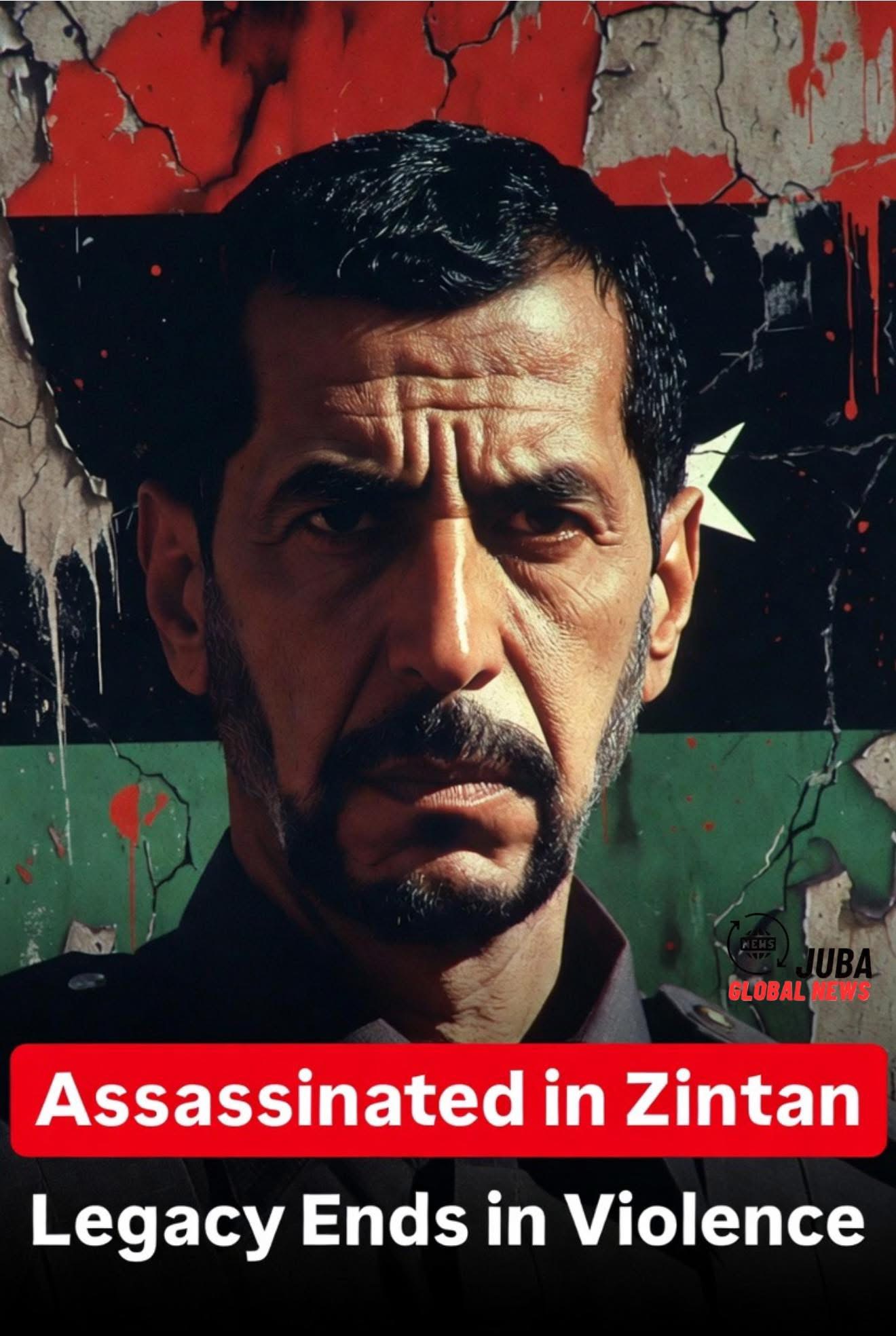
In a stunning development that has deepened Libya’s political instability, Saif al-Islam Gaddafi—the most prominent surviving son of former leader Muammar Gaddafi—was assassinated on February 3, 2026, at his home in the northwestern town of Zintan. The 53-year-old, once widely regarded as his father’s heir apparent and a potential reformer, was shot dead by four masked gunmen who stormed his residence in what his political team described as a “cowardly and treacherous assassination.” Libyan prosecutors have opened a formal investigation, with forensic teams confirming death by gunshot wounds, but the perpetrators remain unidentified and at large as of February 4.
The killing marks a dramatic and violent end to a life defined by privilege, exile, captivity, and persistent political ambition in a country still reeling from the 2011 revolution that toppled his father and plunged Libya into over a decade of chaos, rival governments, militias, and foreign interference.
The Assassination: What Happened in Zintan
According to multiple reports, the attack occurred late on February 3 (local time, around 2:30 a.m. in some accounts) at Saif al-Islam’s private residence in Zintan, a mountainous town about 136 km (85 miles) southwest of Tripoli. His political office issued a statement saying four unknown armed men broke into the home, engaged in a “direct confrontation,” and killed him before fleeing the scene. Sources close to the family told outlets like Al Arabiya that the gunmen shot him in the garden before escaping. Libyan media and officials described it as a targeted assassination, with no immediate claims of responsibility.
The Libyan Attorney General’s office confirmed the death from gunshot wounds after forensic examination and dispatched investigators to Zintan. Saif al-Islam’s lawyer, Khaled al-Zaidi, and other associates labeled it an execution-style killing by a “four-man commando” unit. No arrests have been made, and motives remain speculative amid Libya’s web of rival factions, militias, and foreign influences.
Who Was Saif al-Islam Gaddafi? From Heir Apparent to Fugitive Politician
Born June 25, 1972, Saif al-Islam was Muammar Gaddafi’s second son and long seen as the most likely successor. Educated in London (PhD from the London School of Economics), he cultivated a Western-friendly image in the 2000s—promoting business ties, human rights rhetoric, and Libya’s rehabilitation after Lockerbie and WMD abandonment. He headed the Gaddafi International Foundation for Charity and Development and was involved in negotiations to free foreign detainees.
But in 2011, as the Arab Spring swept Libya, Saif al-Islam publicly backed his father’s brutal crackdown on protesters, vowing to fight “to the last man.” He became a key figure in the regime’s defense, appearing on television to threaten rebels. After Muammar’s capture and killing in October 2011, Saif fled but was captured weeks later by the Abu Bakr Sadik Brigade militia near Obari and held in Zintan.
In 2015, a Tripoli court sentenced him to death in absentia for war crimes (later overturned or commuted under amnesty deals). Released in 2017 under a militia amnesty, he remained low-profile in Zintan, evading ICC arrest warrants for crimes against humanity.
In 2021, he dramatically re-emerged, registering as a presidential candidate for Libya’s stalled elections—disrupting the process and highlighting his enduring support among some tribes and loyalists. Though barred from running, his bid underscored the Gaddafi name’s lingering pull in a fragmented nation.
Libya’s Power Vacuum: Why This Killing Matters
Libya remains divided between the UN-recognized Government of National Unity (GNU) in Tripoli and the eastern-based Libyan National Army (LNA) under Khalifa Haftar, with militias, tribes, and foreign powers (Turkey, Russia, UAE, Egypt) vying for influence. Oil production, migration routes, and arms flows keep the stakes high.
Saif al-Islam’s death removes a symbolic figure who could have rallied pro-Gaddafi factions or complicated any unification efforts. His supporters may view it as martyrdom, fueling revenge or radicalization. Rivals could see it as eliminating a potential spoiler.
Speculation on perpetrators includes:
- Rival militias settling old scores from 2011
- Political actors fearing his return
- Foreign intelligence (though unproven)
- Personal or tribal vendettas
No group has claimed responsibility, adding to the mystery.
Immediate Reactions and Investigation
Gaddafi’s political team condemned the “heinous crime.” Relatives and allies mourned on social media. Libyan prosecutors pledged a thorough probe, with forensic teams on site. International observers, including the UN, called for justice and de-escalation to avoid spiraling violence.
The assassination comes amid fragile ceasefires and delayed elections—further dimming hopes for stability in a nation rich in oil but poor in governance.
Saif al-Islam’s death closes a chapter on the Gaddafi era while reopening old wounds. In Zintan and beyond, the question lingers: Who pulled the trigger, and what chaos will follow?
(This article draws from reports by Al Jazeera, Reuters, BBC, The Guardian, AP, France 24, and Libyan media as of February 4, 2026. Details remain subject to ongoing investigation and may evolve.)
For visuals (suggested poster):
- Dramatic portrait of Saif al-Islam Gaddafi with cracked Libyan flag background, red alert overlay “Assassinated in Zintan” or “Legacy Ends in Violence”.
Share your thoughts: Does this deepen Libya’s instability, or remove a divisive figure? Prayers for peace in a troubled nation.
