

Shadows in the Savanna: The Assassination of a Rhino Poaching Kingpin and South Africa’s Enduring Wildlife War
Gwala’s killing marks a grim milestone in South Africa’s relentless battle against rhino poaching, a conflict that has claimed over 10,000 blac
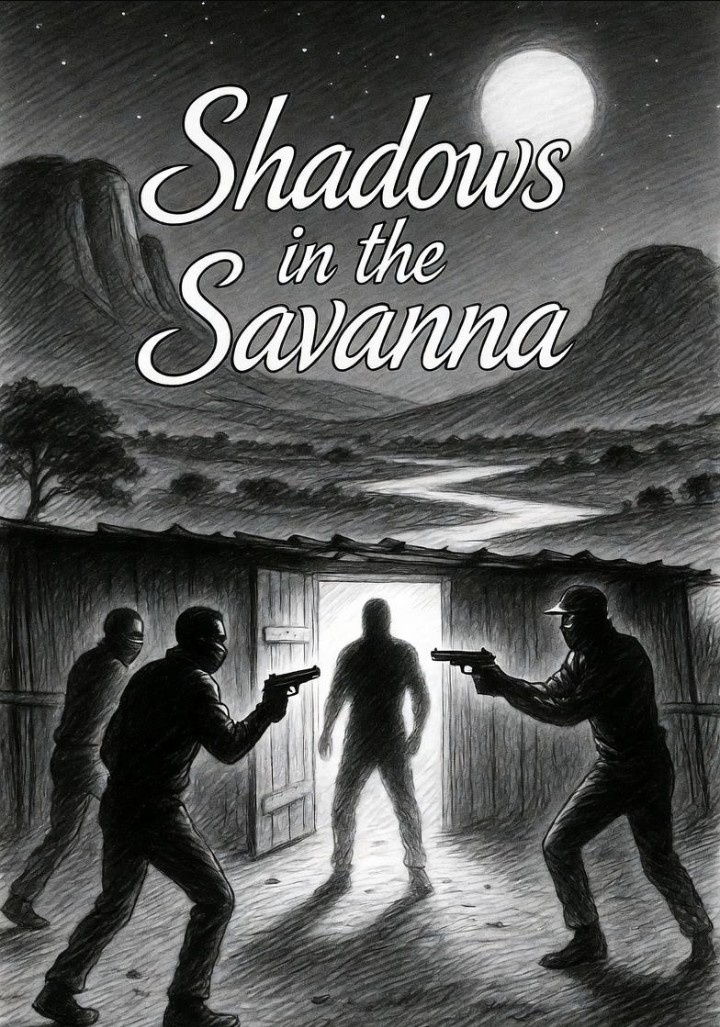
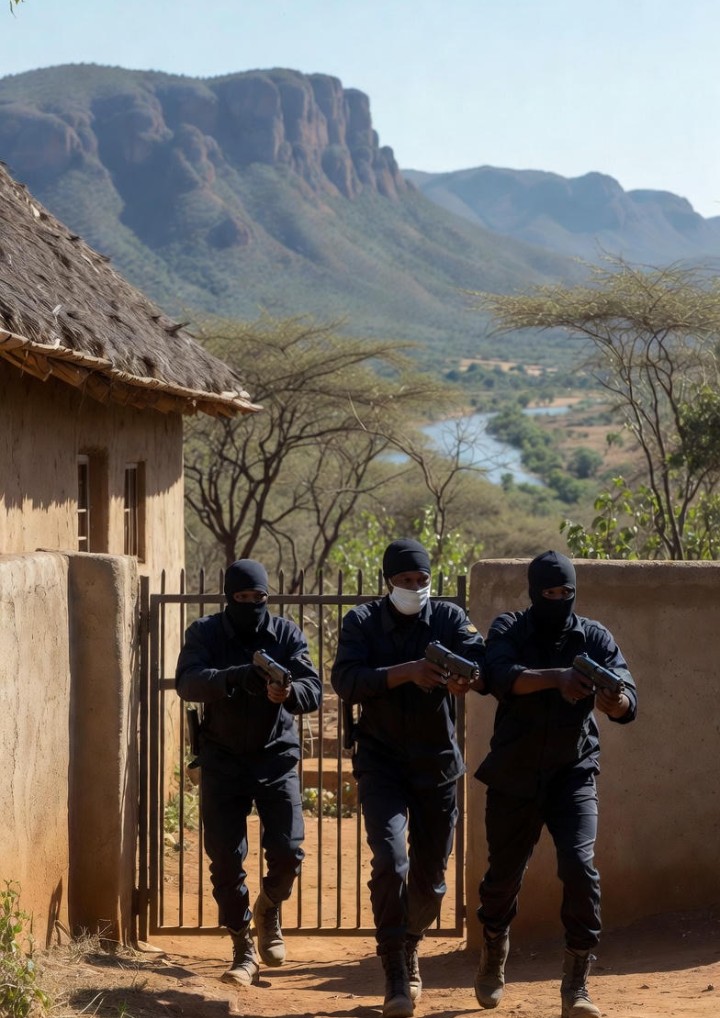
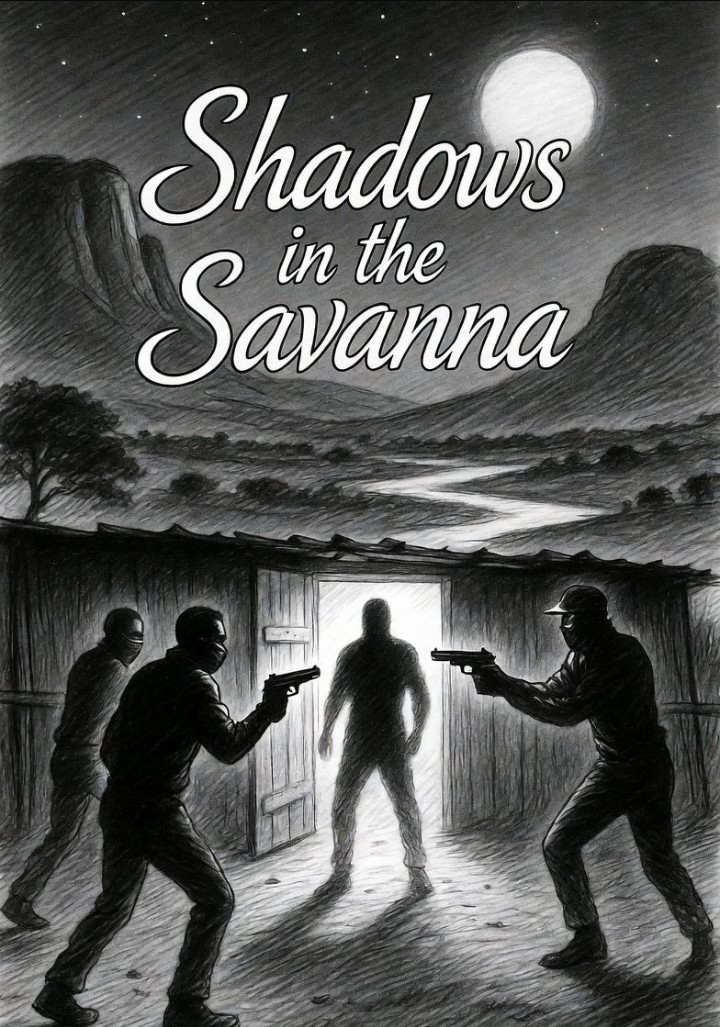
Gwala’s killing marks a grim milestone in South Africa’s relentless battle against rhino poaching, a conflict that has claimed over 10,000 black and white rhinos since 2007. 0 For a decade, Gwala evaded the full weight of the law, his court cases mired in allegations of corruption that implicated magistrates, prosecutors, and even police officers. His death, while potentially a blow to organized poaching networks, raises uncomfortable questions about the rule of law in a province where wildlife crime has become an entrenched economy. As one conservationist put it on X: “Gwala’s end is poetic, but it doesn’t bring back the rhinos—or fix our broken courts.” 23
Yet, amid the mourning in Manguzi—a dusty border town just 19 kilometers from Mozambique, a notorious conduit for horn smuggling—South Africa edges toward brighter administrative horizons. On the same week, the Department of Transport announced it is “definitely” advancing plans to extend driving licence validity from five to eight years, a pragmatic reform aimed at easing the bureaucratic stranglehold on everyday life. 12 In a nation grappling with crime syndicates and conservation crises, such mundane victories offer a flicker of hope that the state can still deliver for its people.
The Kingpin’s Shadowy Reign
Dumisani Gwala was no ordinary criminal; he was a spectral presence in KwaZulu-Natal’s poaching underworld, a man whose name evoked both fear and frustration among rangers, activists, and villagers alike. Born in the rural folds of Ingwavuma, Gwala rose from obscurity in the early 2000s, allegedly transforming local hunting parties into a sophisticated syndicate that spanned from Hluhluwe-iMfolozi Park to the streets of Johannesburg and beyond. 3 By 2014, intelligence from the Hawks—the South African Police Service’s elite directorate—painted him as the “third tier” of a pyramid: a transporter and broker who could boast of netting R13 million ($700,000) from a single consignment of horns to buyers in Mozambique. 4
His arrest that December was the stuff of thriller novels. Undercover officer Thatia Moremi, posing as a buyer, clinched two illicit deals for rhino horn before the third went awry. As Gwala allegedly attempted to flee in his BMW, a struggle ensued; shots rang out, and he was wounded in the leg. Charged with three counts of dealing in rhino horn, resisting arrest, and attempted murder of a police officer, Gwala was released on a mere R10,000 ($650) bail—a sum that conservationists decried as insultingly low for a man accused of fueling a multimillion-rand enterprise. 2
What followed was a legal odyssey spanning over 20 court appearances across Empangeni, Mtubatuba, and Ngwelezana, plagued by delays, recused magistrates, and withdrawn attorneys. 6 Gwala’s defense team, led at times by the combative Zwelonke Ngwenya, alleged “mistaken identity”—claiming the real culprit was his brother, Senzo “Shibilika” Gwala, a convicted poacher in nearby Ingwavuma. 5 Witnesses were intimidated, evidence tampered with, and proceedings adjourned on flimsy pretexts, from illness to unprepared counsel.
Beneath the procedural farce lay darker undercurrents. In 2018, whistleblower Mthobisi Prince Mncube—known as “Fresh”—alleged a “court syndicate” in northern KwaZulu-Natal, where bribes from poaching kingpins like Gwala were funneled through lawyers to magistrates and prosecutors. 8 A confidential Magistrates’ Commission report corroborated claims of corruption involving senior figures, including Eric Nzimande, the province’s most powerful magistrate. 8 Gwala’s case became emblematic of the “Blood Rhino Blacklist,” an exposé by activist Jamie Joseph of Saving the Wild, which named officials shielding syndicates in exchange for kickbacks. 3
Joseph, who confronted Gwala in court in 2016—earning a spit in the face for her troubles—hailed his death as a “wake-up call” for legislative reform. 0 “This underscores the urgency for minimum sentencing on poaching,” she told TimesLive, noting the Ministry of Environment’s ongoing review of such proposals. 0 On X, reactions ranged from grim satisfaction—”One less monster in the bush”—to outrage over extrajudicial killings. 21
The Anatomy of a Poaching Empire
Rhino poaching in South Africa is not mere opportunism; it’s a transnational industry worth an estimated R2 billion ($110 million) annually, dwarfing many legitimate rural economies. 8 KwaZulu-Natal, with its fragmented reserves and porous borders, has become a hotspot: over 100 rhinos were poached in the province in 2025 alone, second only to Kruger National Park. 7 Syndicates like Gwala’s operate on a pyramid model: ground-level shooters—often impoverished locals lured with promises of quick cash—dart-dart rhinos at night, their horns hacked off with machetes while the animals linger in agony.
Middlemen like Gwala handle logistics: horns are smuggled across the Mozambique border in vehicles or hidden in livestock shipments, then laundered through Johannesburg buyers linked to Vietnamese and Chinese markets, where a single kilogram fetches up to $60,000. 4 The profits fund arms trafficking, drugs, and community intimidation, creating a self-perpetuating cycle. Former poachers interviewed by Saving the Wild recounted being trapped in debt bondage: one kill to pay off a fine, another to settle the score. 2
Gwala’s syndicate was particularly insidious, allegedly corrupting the very institutions meant to dismantle it. Hawks investigator Johan van Zyl-Roux, who led the 2014 sting, was dismissed shortly after, ostensibly on bureaucratic grounds but widely seen as retaliation for getting “too close to higher syndicate members with possible links to government.” 8 His affidavit detailed Gwala’s boasts of untouchability, a claim bolstered by the syndicate’s evasion of justice.
The motive for Gwala’s murder remains murky. Police spokesperson Capt. Ntathu Ndlovu confirmed an investigation into the “three unknown armed suspects” but offered no leads. 0 Speculation abounds: a turf war with Mozambican rivals, internal betrayal over a botched deal, or even a rogue ranger’s revenge. In a 2018 BBC documentary, Gwala appeared defiant, laughing off charges as a “witch-hunt.” 21 Now, his silence leaves a void—and perhaps a power vacuum that could spark more violence.
Broader Challenges: Corruption, Capacity, and the Cost of Inaction
Gwala’s story is a microcosm of South Africa’s poaching plague. Despite Operation Save the Rhino, which has dehorned thousands of animals and deployed drones, the kill rate hovers at 400-500 annually—down from a 2015 peak of 1,215 but far from zero. 0 Private reserves like Hluhluwe-iMfolozi, patrolled by underfunded rangers, bear the brunt, with syndicates using GPS jammers and silenced rifles to evade detection.
Corruption remains the Achilles’ heel. The 2018 Magistrates’ Commission probe revealed a web of influence peddling, where poaching cases were diluted for fees as low as R5,000 ($270). 8 Community complicity, born of poverty, compounds the issue: in Manguzi, where unemployment tops 50%, tips to poachers fetch R500 ($27) per rhino.
Internationally, demand-side failures loom large. Vietnam’s 2025 crackdown on horn-based traditional medicine has dented prices, but black-market stockpiles persist. South Africa’s export of live rhinos to non-range states—halted in 2024 amid outcry—highlights the tension between conservation and commerce.
Gwala’s death, while celebrated by some, underscores the limits of enforcement. As Joseph warns, without minimum sentences and whistleblower protections, kingpins will simply be replaced. 0 The Hawks vow a thorough probe, but trust is thin; as one X user posted, “Another ‘kingpin’ down, but the horns keep disappearing.” 22
A Glimmer of Reform: Eight Years Behind the Wheel
In stark contrast to the savanna’s bloodshed, urban South Africa inches toward bureaucratic relief. The Department of Transport’s confirmation of an impending shift to eight-year driving licences signals a rare win for efficiency in a system notorious for backlogs. 12 Director-General Mathabatha Mokonyama told Parliament the move is “definite,” backed by Road Traffic Management Corporation research favoring longer validity for light-vehicle drivers. 11
The proposal, first floated in 2022 under Minister Fikile Mbalula, hit snags over revenue concerns for the Driving Licence Card Account (DLCA), which prints the cards and relies on renewals for funding. 15 A 2024 reversal by Minister Sindisiwe Chikunga cited health and wellness factors, but current Minister Barbara Creecy has revived it, viewing the extension as “the right move” to spare motorists the “nightmare” of queues and temporary licences. 10
Benefits are clear: an eight-year card could save 12 million drivers hours of hassle, reduce DLCA backlogs (currently 1.2 million cards), and align South Africa with the global average of 8.5 years. 19 Professional drivers—taxis, trucks—would retain two- or five-year cycles for safety. Labour unions fret over job losses in licensing centres, but proponents like the Automobile Association hail it as “long overdue.” 15
Implementation targets Q4 2025/26, pending Cabinet approval and public consultation. 16 In a week bookended by murder and reform, it’s a reminder that progress, however incremental, persists.
Legacy of a Fallen Kingpin: Justice or Impunity?
Dumisani Gwala’s bullet-riddled body now rests in a Manguzi morgue, his syndicate’s remnants scattering like dust in the wind. For conservationists, his death is bittersweet: a predator felled, but the ecosystem he ravaged endures. Hluhluwe’s rhinos, dehorned and drone-guarded, symbolize resilience, yet the poachers’ AK-47s echo louder.
South Africa’s dual narrative—of savanna slaughter and suburban streamlining—reveals a nation at war with itself. As the Hawks hunt Gwala’s killers, and motorists eye longer licences, the true test lies in bridging these worlds: fortifying courts against corruption, empowering communities beyond poverty, and ensuring that the next kingpin meets handcuffs, not hitmen. In the words of Jamie Joseph, “Signatures on laws matter more than bullets in the dark.” 0 Until then, the shadows lengthen.
