Saudi Arabia Bombs UAE Arms Shipment in Yemen Port: Escalating Tensions Threaten Gulf Alliance
By: Juba Global News Network | JubaGlobal.com December 30, 2025 In a dramatic escalation of intra-Gulf rivalries, Saudi Arabia has launched airstrikes on a
By: Juba Global News Network | JubaGlobal.com
December 30, 2025
In a dramatic escalation of intra-Gulf rivalries, Saudi Arabia has launched airstrikes on a port in Yemen, targeting what it claims was an unauthorized arms shipment from the United Arab Emirates (UAE) destined for southern separatist forces. The incident, which occurred at the port city of Mukalla in eastern Yemen, has sent shockwaves through the region, exposing deep fissures in the once-united front against Yemen’s Houthi rebels. Saudi officials have declared the UAE-backed separatist advances a direct threat to their national security, prompting fears of a broader conflict between the two Gulf powerhouses. This move not only highlights the fracturing of the Saudi-led coalition but also raises questions about the future stability of Yemen and the broader Middle East.
Background: A Decade of War and Shifting Alliances
Yemen’s civil war, which erupted in 2014, has long been a proxy battleground for regional powers. The conflict began when Houthi rebels, aligned with Iran, seized control of the capital Sanaa, forcing the internationally recognized government into exile. In response, Saudi Arabia formed a coalition in 2015, including the UAE, to restore the government and counter Iranian influence. For years, the coalition conducted airstrikes and ground operations, but the alliance has frayed amid competing visions for Yemen’s future.
The UAE, while officially part of the coalition, has increasingly supported the Southern Transitional Council (STC), a separatist group advocating for the independence of southern Yemen. The STC controls key areas, including the temporary capital Aden, and has clashed with forces loyal to the Yemeni government, which Saudi Arabia backs. Tensions boiled over in recent months as the STC pushed northward, capturing territories that Riyadh views as critical to its border security. Analysts point to economic interests—such as control over Yemen’s ports and oil fields—as underlying drivers of the rift. The UAE’s strategic focus on maritime routes in the Arabian Sea contrasts with Saudi Arabia’s emphasis on land borders and countering Houthi threats from the north.
Mukalla, located in Hadramawt province, has been a flashpoint. Once under al-Qaeda control, it was recaptured by coalition forces in 2016 and has since served as a vital hub for trade and military logistics. The port’s strategic position on the Gulf of Aden makes it essential for shipping routes, including those vital to global energy supplies.
The Incident: Airstrikes on Mukalla Port
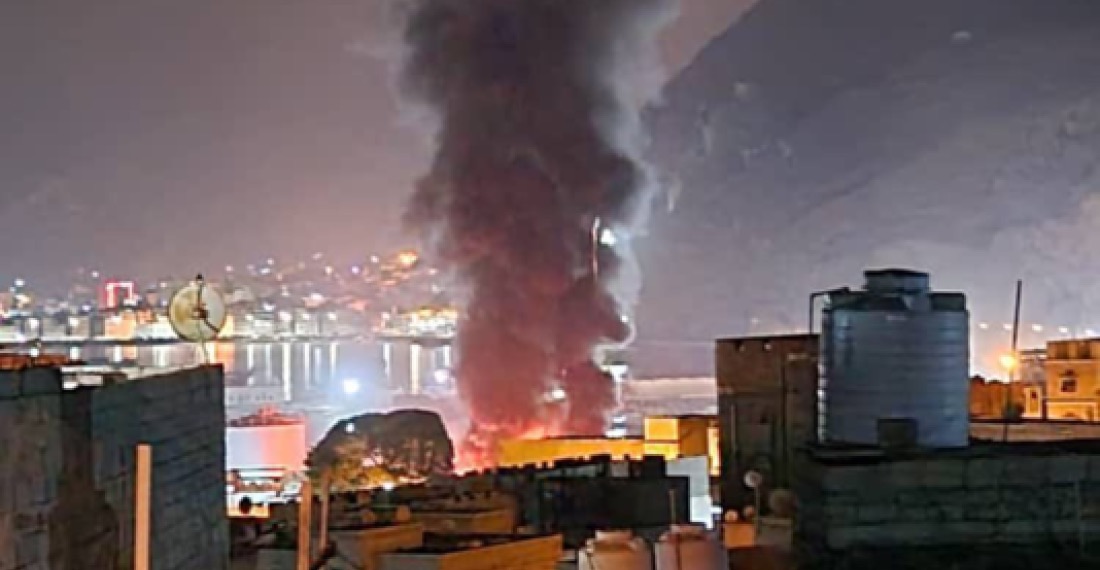
On December 30, 2025, Saudi-led coalition warplanes carried out precision strikes on two vessels docked at Mukalla port. According to Saudi state media, the targets were ships carrying a large quantity of weapons and combat vehicles intended to bolster STC forces. The strikes reportedly destroyed the cargo, with eyewitnesses describing massive explosions and thick smoke billowing over the city. Local authorities in Yemen declared a state of emergency, imposing a 72-hour blockade on the port to assess damage and prevent further incidents.
Saudi Arabia justified the action by labeling the shipment as a violation of coalition agreements and a direct threat to its security. In a strongly worded statement, Riyadh warned that any support for separatist advances would be met with force, emphasizing that its national security is a red line. The kingdom accused the UAE of undermining the unity of Yemen’s government, claiming the arms were part of a broader strategy to carve out an independent southern state.
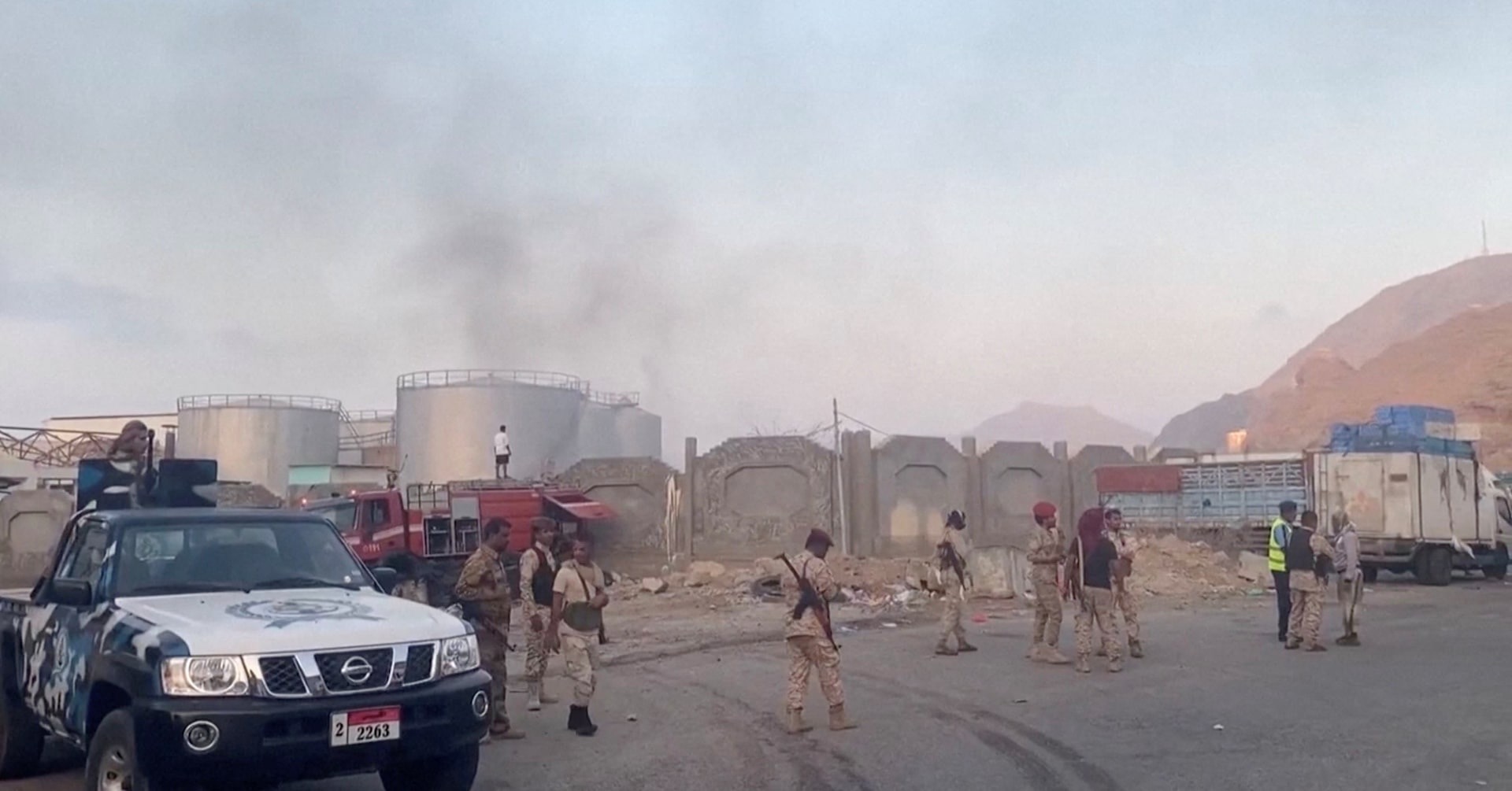
Footage from the scene showed plumes of smoke rising from the docks, with debris scattered across the waterfront. Emergency services rushed to the area, though initial reports indicated no civilian casualties, as the coalition had issued evacuation warnings beforehand.
Reactions from Key Players
The UAE swiftly condemned the strikes, expressing surprise and denying that the shipment contained weapons. Abu Dhabi insisted the cargo was for its own forces stationed in Yemen, not the separatists, and announced the immediate withdrawal of its remaining troops from the country. This marks a significant de-escalation from the UAE’s side, but it also signals the potential end of its direct military involvement in Yemen after years of heavy investment.
The STC, for its part, decried the bombing as an act of aggression against southern aspirations. Leaders in Aden vowed to continue their push for autonomy, framing the incident as evidence of Saudi dominance over Yemeni affairs. Meanwhile, the Yemeni government, based in Riyadh’s sphere, welcomed the strikes, viewing them as a necessary step to preserve national unity.
On social media platforms like X (formerly Twitter), the event sparked heated discussions. Posts from users in the region highlighted the irony of Gulf allies turning on each other, with some speculating on Iranian involvement in stoking divisions. One viral thread noted the growing friction, warning of a new phase in the Yemen war.
Internationally, the response has been muted but concerned. The United States, a key arms supplier to both Saudi Arabia and the UAE, called for restraint and dialogue to avoid further destabilization. The United Nations, already overseeing fragile peace talks in Yemen, expressed alarm over the potential for renewed violence, urging all parties to recommit to ceasefire agreements. Iran, predictably, seized the opportunity to criticize the coalition, accusing Saudi Arabia of hypocrisy in its fight against terrorism.
Broader Implications: A Fractured Coalition and Regional Instability
This incident underscores the precarious nature of the Saudi-UAE partnership, forged in the fires of the Yemen war but now strained by divergent interests. For Saudi Arabia, under Crown Prince Mohammed bin Salman, securing its southern border is paramount, especially amid ongoing Houthi drone attacks. The kingdom fears that a strong, independent south could embolden other separatist movements or allow Iranian proxies to exploit divisions.
For the UAE, led by Sheikh Mohamed bin Zayed, the focus has shifted toward economic dominance in the Indian Ocean region. By backing the STC, Abu Dhabi aims to secure ports like Aden and Mukalla for its maritime ambitions, potentially at the expense of Yemeni unity. The withdrawal of UAE forces could leave a power vacuum, inviting further chaos or even a resurgence of extremist groups like al-Qaeda in the Arabian Peninsula (AQAP), which has historically thrived in Yemen’s ungoverned spaces.
Economically, the strikes disrupt vital trade routes. Yemen’s ports handle humanitarian aid and commercial goods essential for a population ravaged by famine and disease. Any prolonged blockade could exacerbate the world’s worst humanitarian crisis, where over 20 million people rely on aid.
Geopolitically, this rift benefits adversaries like Iran, which could intensify support for the Houthis, potentially reigniting attacks on Saudi infrastructure. It also complicates efforts by global powers to broker peace, as the coalition’s internal discord undermines its leverage in negotiations.
Looking Ahead: Paths to De-Escalation or Further Conflict?
As the dust settles over Mukalla, the international community watches closely. Diplomatic channels between Riyadh and Abu Dhabi remain open, with reports of urgent talks to mend the alliance. However, without concessions—such as UAE halting support for the STC or Saudi recognizing southern grievances—the tensions could spiral.
For Yemenis, caught in the crossfire, this episode is yet another chapter in a protracted nightmare. True resolution requires not just military restraint but a comprehensive political settlement addressing the aspirations of all factions. As one Yemeni activist posted on X, “When allies bomb each other, who wins? Only the suffering continues.”
Juba Global News Network will continue to monitor developments in this fast-evolving story. For updates, visit JubaGlobal.com or follow us on social media.