Rising Political Tensions Ahead of 2026 Elections
By: Juba Global News Network | JubaGlobal.com Kampala, Uganda – December 30, 2025 As Uganda hurtles toward its general elections on January 15, 2026, the p
By: Juba Global News Network | JubaGlobal.com
Kampala, Uganda – December 30, 2025
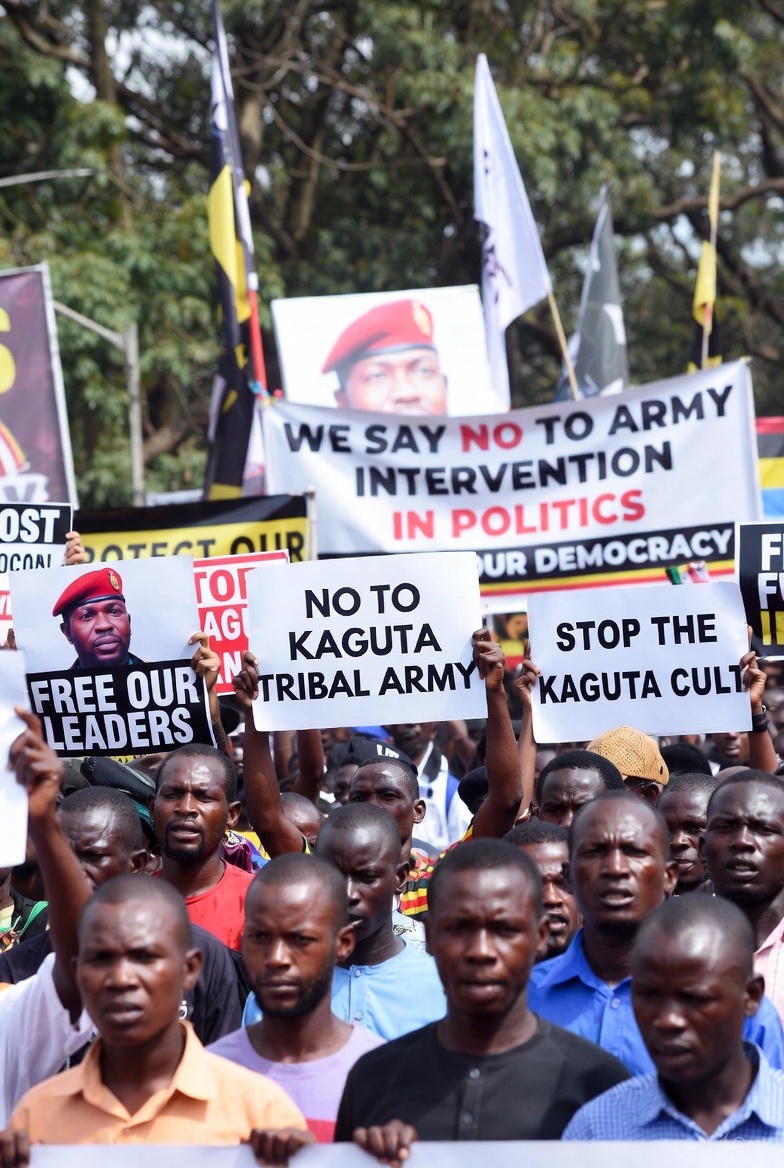
As Uganda hurtles toward its general elections on January 15, 2026, the political atmosphere is charged with escalating tensions, marked by stern warnings from the military, allegations of repression from opposition figures, and ongoing debates over electoral reforms. The Uganda People’s Defence Forces (UPDF) has issued a strong caution against “incendiary and divisive language” that could provoke violence, while opposition leader Robert Kyagulanyi, popularly known as Bobi Wine, has repeatedly voiced fears of potential unrest and electoral manipulation. Amid these developments, parliamentary discussions and preparations for a biometric voter verification system have become focal points of contention.
The UPDF’s warning, articulated in a statement dated December 2025 by Acting Director of Defence Public Information Colonel Chris Magezi, directly addressed rhetoric attributed to the National Unity Platform (NUP), Bobi Wine’s party. The military expressed concern over calls for supporters to “mob” polling stations on election day and subsequently march to Kampala, interpreting such mobilization as a potential catalyst for chaos. Colonel Magezi described this language as “dangerous” and “ill-advised,” urging all political actors to campaign peacefully within the guidelines set by the Electoral Commission (EC) and Ugandan law. The statement underscored the UPDF’s readiness to maintain stability, emphasizing the armed forces’ capability to handle any threats to national peace.
This military intervention reflects broader anxieties about the electoral process. Uganda’s history of post-election violence, particularly following the contentious 2021 polls where opposition supporters clashed with security forces, looms large. In 2021, reports documented widespread intimidation, arrests, and fatalities, with international observers criticizing the environment as flawed. As President Yoweri Museveni seeks a seventh term—extending his nearly 40-year rule—the stakes are high, with analysts warning of heightened militarization and repression.
Bobi Wine, the NUP’s presidential flagbearer and Museveni’s primary challenger, has amplified concerns about impending unrest. The former musician-turned-politician has accused security forces of systematic brutality during his campaign trails, including teargas deployments, live ammunition, and arbitrary arrests of supporters. In recent rallies across districts like Mukono, Gulu, and Luweero, Wine has likened his campaign to navigating a “war zone,” alleging that billions of shillings are spent on disrupting opposition activities rather than public services. He has further claimed “reliable information” of government plans to provoke chaos, impose curfews, and potentially rig the vote—echoing patterns from previous elections.
Wine’s campaign has faced significant obstacles, including attacks on party headquarters, abductions of aides, and restrictions on rallies. Human rights organizations, such as Amnesty International and Human Rights Watch, have documented over 50 arbitrary arrests since campaigning intensified in October 2025, alongside a shrinking civic space. Despite these challenges, Wine has framed the 2026 election as a “protest vote” against corruption, impunity, and economic neglect, urging Ugandans to unite across ethnic lines for change.
A key flashpoint in the pre-election discourse is the introduction of the Biometric Voter Verification System (BVVS), intended to enhance electoral integrity. The EC has acquired over 109,000 upgraded Biometric Voter Verification Kits (BVVKs) for deployment at polling stations, mandating fingerprint or facial recognition before issuing ballots. This measure, aimed at preventing multiple voting and ensuring “one person, one vote,” follows allegations of irregularities in the national voters’ register raised by Wine himself.
Parliamentary engagement has been robust, with the EC conducting training sessions for Members of Parliament on the kits’ operation in December 2025. Officials demonstrated the offline functionality of the devices—designed to mitigate hacking risks—and assured transparency through agent oversight. However, opposition figures, including Leader of Opposition Joel Ssenyonyi, have questioned the lack of comprehensive regulations and potential vulnerabilities. Critics argue that offline operation limits real-time accountability, while proponents hail it as a safeguard against external interference.
The EC has also begun issuing Voter Location Slips (VLS) nationwide, essential for biometric verification, and has urged voters to “vote and go home” to avoid post-polling confrontations—a directive echoed by high-ranking officials, including Chief of Defence Forces General Muhoozi Kainerugaba. This advice has drawn sharp criticism from the opposition, who view it as an attempt to discourage vote protection efforts.
Broader contextual factors exacerbate these tensions. President Museveni’s son, General Muhoozi Kainerugaba, has been a controversial figure, with past social media threats against opposition leaders raising questions about military impartiality under the UPDF Act. Recent legislative changes expanding military courts’ jurisdiction over civilians have further fueled accusations of authoritarian drift. International observers note declining U.S. engagement and concerns from bodies like the European Union over human rights violations.
As the campaign enters its final weeks—with ballot packing underway and eight presidential candidates in the race, including Museveni and Wine—the path to January 15 remains fraught. Opposition calls for unity, such as those from figures like Mathias Mpuuga, highlight internal fractures but also a shared push against perceived incumbency advantages. The EC maintains its commitment to a free and fair process, yet skepticism persists amid reports of selective law enforcement and threats of social media restrictions over misinformation.
Uganda stands at a crossroads. The 2026 elections will test the resilience of its democratic institutions against a backdrop of historical grievances, economic pressures, and generational demands for change. While security forces pledge to uphold peace, and electoral innovations promise greater transparency, the rhetoric from all sides underscores the fragility of the moment. Stakeholders, both domestic and international, watch closely, hoping that dialogue prevails over division in this pivotal chapter of Uganda’s political journey.
Juba Global News Network is committed to balanced reporting on regional affairs. This article draws from verified public statements, official reports, and credible media sources.